






Top.Mail.Ru

All Ways Travel Club.
Authors tours. Travels to places of power.

Choose a tour

New Year in the Kingdom of Happiness in the Himalayas

New Year’s Eve in Bhutan at an old manor house where a Bhutanese nobleman once lived with
two wives and children. In the same estate are three Buddhist Temples, where
relics brought from Tibet are preserved. The beautiful garden, the manor house, which has been restored but has retained
its former appearance, will not leave you indifferent. We will celebrate the New Year together
with our neighbors, the Bhutanese will sing songs for us and we will make a round dance
around the fire.
And on January 1, invited monks will conduct Puja, a Buddhist
ritual for us to have a prosperous New Year.
A unique experience, blessing,
learning about Bhutanese culture and people will be a great gift for the New Year.
In addition, we will visit the most significant and sacred places in Bhutan.
Join our celebration!
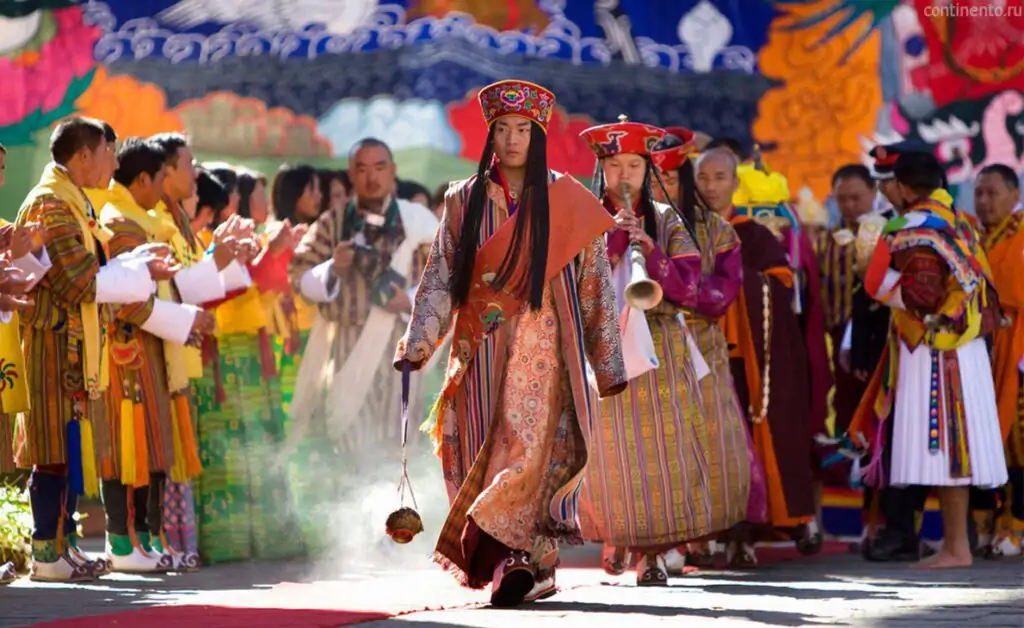
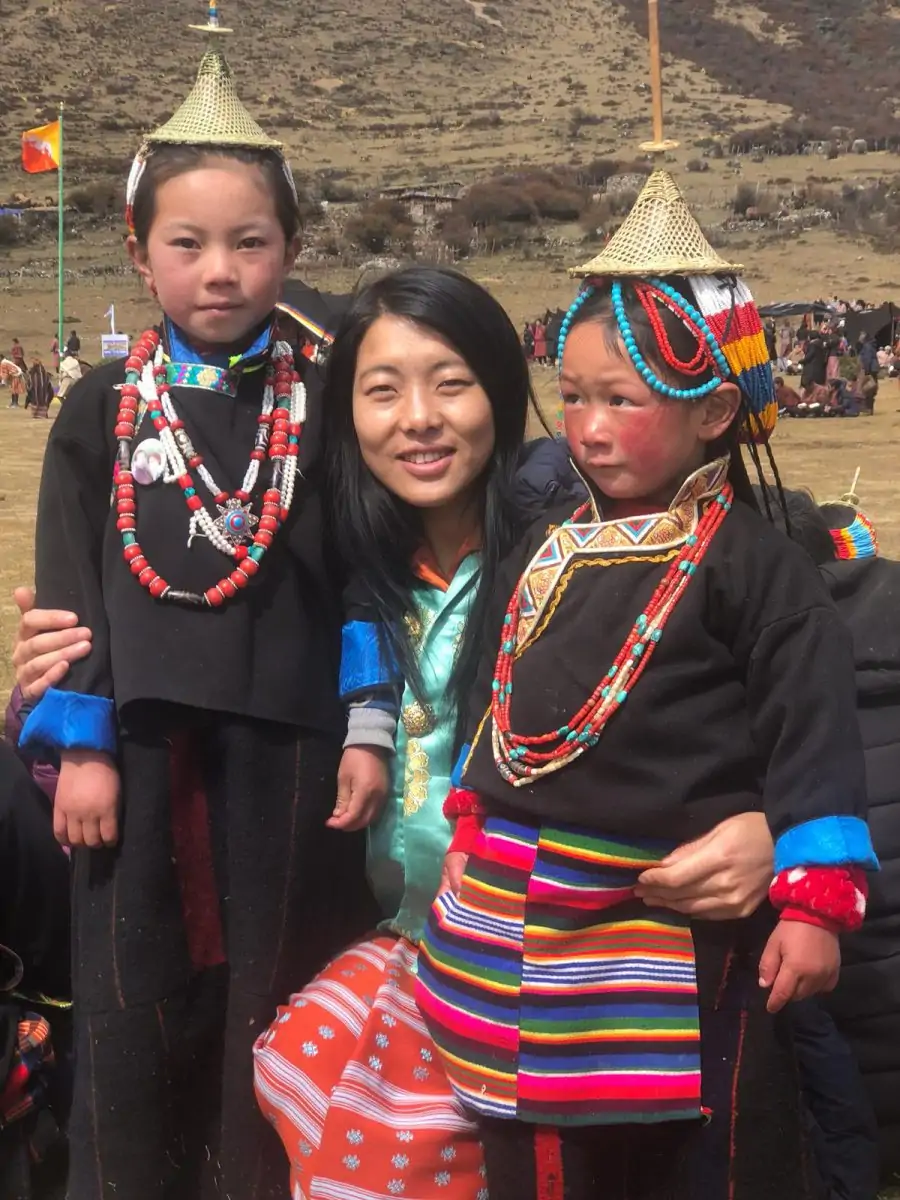
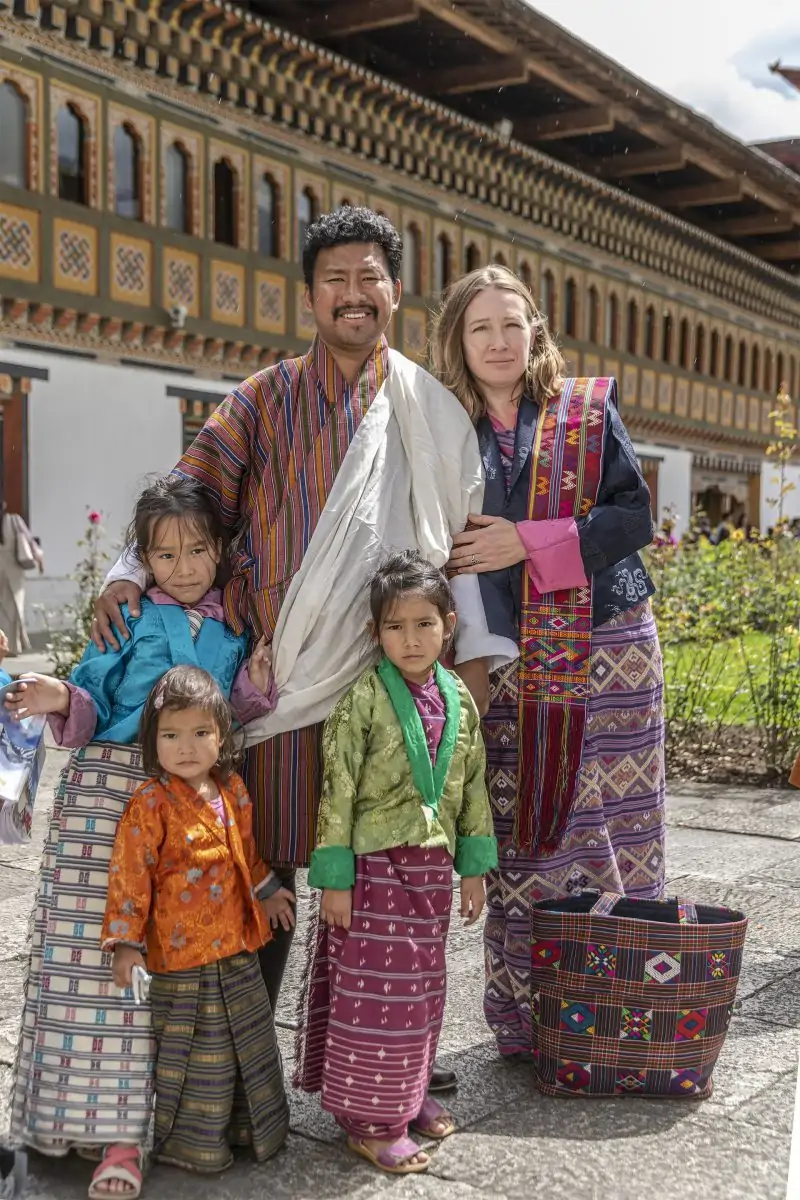
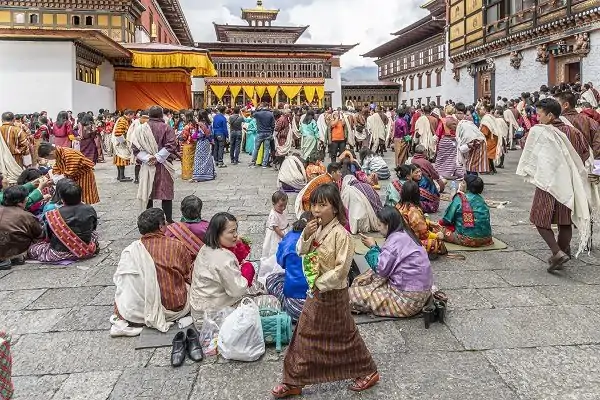
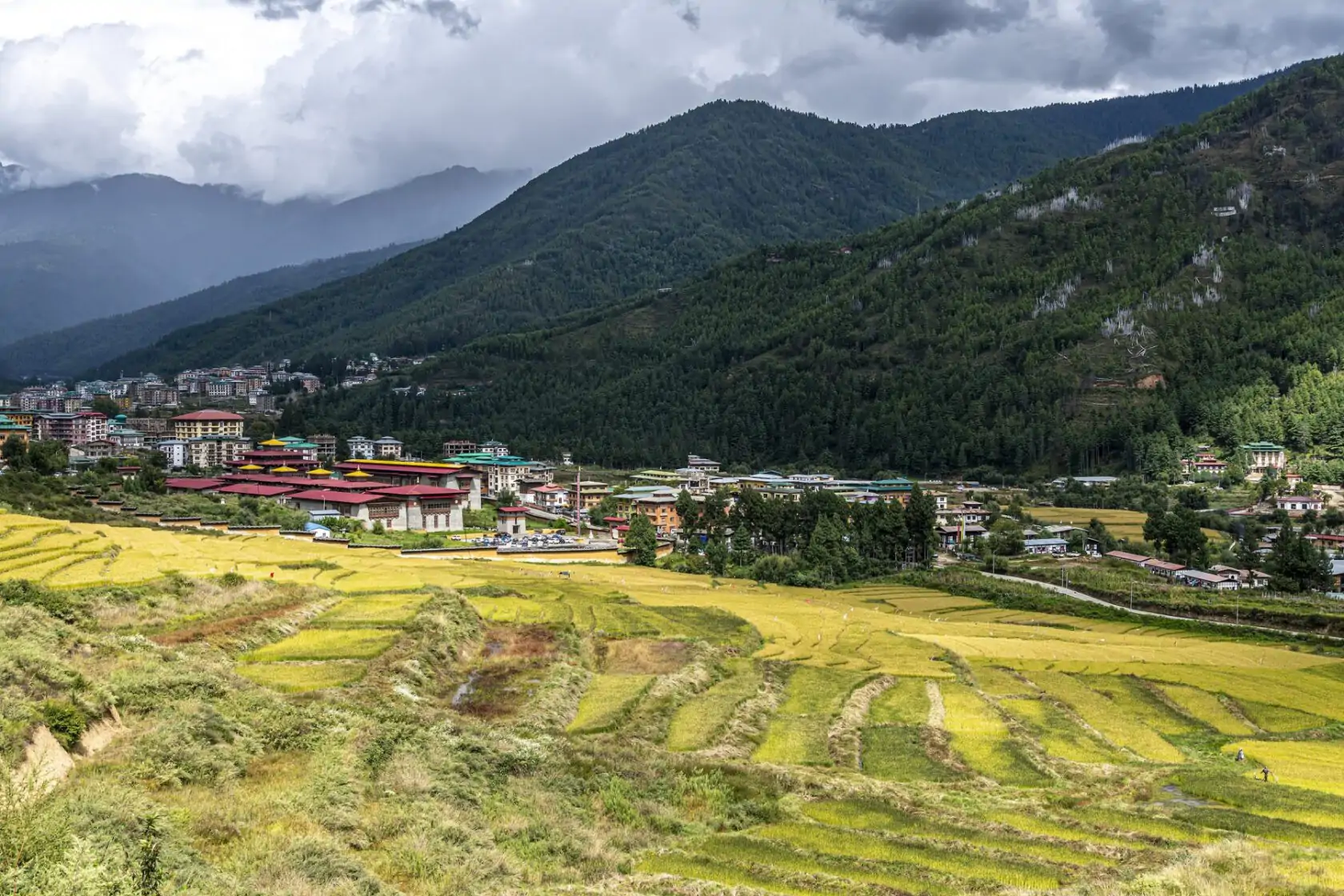
The mysterious little kingdom of Bhutan is located in the Himalayas, between India, China and Nepal. In Bhutan we will see the phenomenon of a country untouched by the achievements of modern civilization. Limited access to the country for tourists and its isolation from the outside world allow it to preserve its national identity and authenticity, not for nothing it is called “The Last Shangri-La”. Bhutan is the last place on the planet where the purity and pristine nature and wildlife, simplicity and openness of people have been preserved. People there wear national costumes, and until a few years ago there was no television or radio in Bhutan. Tibetan culture has been preserved here in its purest form. This is the land of Buddhism, purity and enlightenment.

Bhutan is often rated as the happiest country in the world, and the economy here is not measured by Gross Domestic Product (GDP) but by Gross National Happiness.

In Bhutan, every woman is a dakini, a demigoddess, and every man is a tantric yogi. This is the land where the tantric guru Padmasambhava and his wife Yeshe Tsogyal practiced meditation. The Tantric couple traveled from Tibet to Taksang, an ancient cave temple, above the “tiger’s den” cave. Yoshe Tsogyal turned into a tigress on whose back Padmasambhava flew to Bhutan. Even today, the Buddhist Tantric tradition of Nigma brought by the precious guru has been preserved in Bhutan.

The doors to this amazing realm were not opened until 1974. Traveling independently in the country is forbidden to this day, and you can only get here by buying a tour.

Mini group of up to 8 people.

  1. Tour dates: December 29, 2022 – January 4, 2023.
  2. Number of days: 7 days / 6 nights.
  3. Where to: The Kingdom of Bhutan.
  4. Where to fly to: to the city of Paro (fly from Delhi).
  5. What we do: We visit different places of power and learn about culture and Buddhism.
  6. Visa: arranged through us.
  7. Accommodation: 3* hotels.
  8. Insurance: Med. insurance for traveling abroad (optional).
  9. Vaccination requirements: no vaccinations required, no quarantine.
  10. Cost of the tour: for a group of 6 or more people. – 4190 $.
  11. Accompaniment: an English-speaking Bhutanese guide and a Russian escort-translator who lives in Bhutan.
  12. Organizer: Travel Club “All Ways”.
1 day. Dec. 29. Arrival in Paro, transfer to Thimphu (59 km, 1.5 hours)
Day 2. Dec. 30. Thimphu. Chagri-gompa
Day 3. Dec. 31. Thimphu – Punakha (77 km, 3 hours)
Day 4. Jan. 1. Punakha
Day 5. Jan. 2. Punakha – Paro (136 km, 3.5 hours)
Day 6. Jan. 3. Trekking in Paro Taksang
Day 7. Jan. 4. Departure

Route

Paro (2400 m)
Thimphu (2320 m)
Punakha (1274 m)

Group facilitator: Natalia S.

Natalia was born in 1974 in the Volga region. Translator, guide, journalist (published in Yoga, Empire of Spirit, Wild Yogi magazines).
In 2006 Natalia met her Buddhist Guru in Kathmandu – Lama Rinchen Phuntsok, a heart disciple of Dudjom Rinpoche. In 2008 Natalia finished teaching courses at Ashtanga Yoga Center in Moscow. In 2011 she studied the basics of the Tibetan language at the Manjushri Institute (Darjeeling, India). She studied and practiced the Buddhist tradition of Charya Nitya ritual dance under the direction of Leanne Hunt. Natalia has been living in Nepal and India since 2006, working as a guide.

Reviews

Travel program

1 day. Dec. 29. Arrival in Paro.

You will be met at Paro airport by your guide. The transfer to Thimphu town will take 1.5-2 hours.
Hotel Accommodation. Lunch. Vacation.

Today we will climb up to Asia’s tallest Buddha statue, Kunzang Phodrang, where
offers a magnificent view of Thimphu. It commemorates the 60th anniversary of the fourth king
Jigme Singye Wangchuk. The statue contains more than a hundred thousand smaller Buddha statues, each
of which, as the main one, is made of bronze and covered with gold.
We will spend the evening in the city center. We’ll stroll the main streets, and at sunset
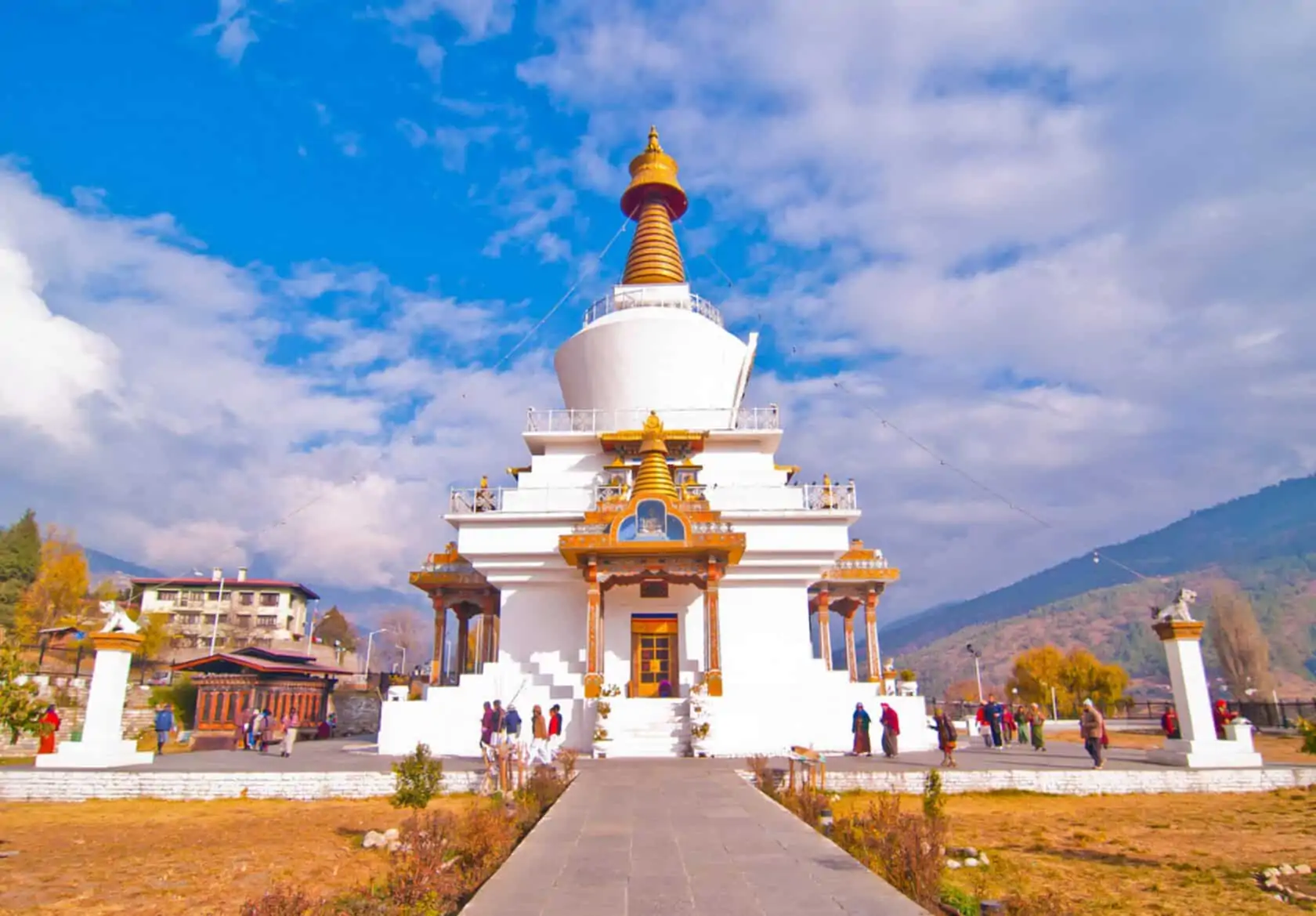
join people heading to the Memorial Stupa, built in
honor of the third King in 1974 by his mother. We will do a “kora” (circumambulation around the stupa) and
recite mantras. The Stupa always feels as if the whole town has gathered there. Both
morning and evening people come here to pray or just to discuss the events of the day.

Dinner at the hotel.


Day 2. Dec. 30. Thimphu.

In the morning we will head to Chagri-gompa. This monastery is located in the north of the Thimphu valley, half an hour’s drive from the city. It was founded in the 17th century by Shabdrung Ngawang Namgyal and
is known for its retreat center. The main shrine of the monastery is an impressive
statue of Shakyamuni Buddha.
A separate adventure is a hike to the monastery. Our journey will begin with
a spectacular river crossing on a suspension bridge. The path we will follow
onward has been paved by thousands of pilgrims: it gently climbs uphill amidst a beautiful
mixed forest. In the middle of the ascent you will see a chorten (stupa), near which you can
rest under a canopy from the sun.
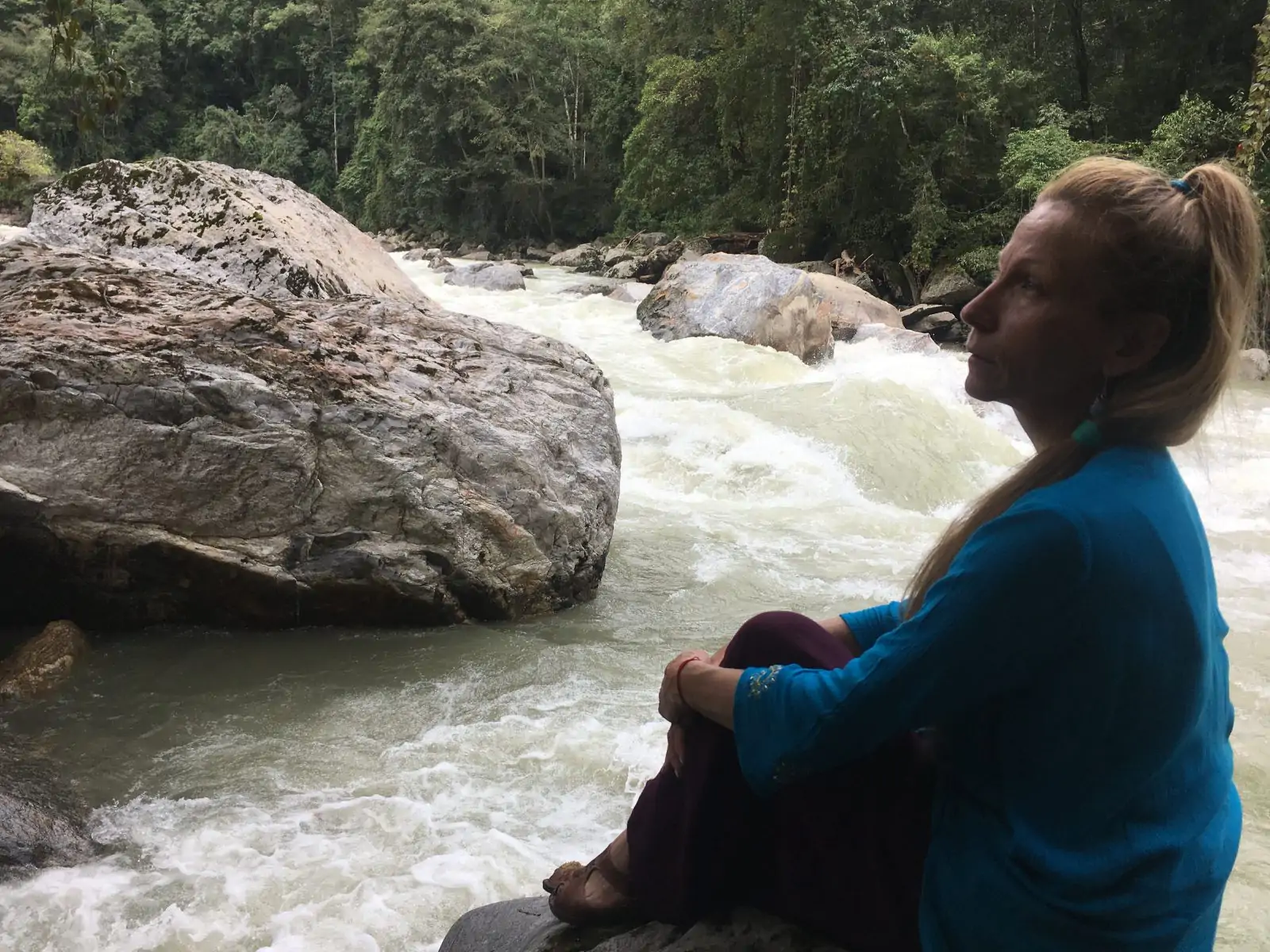
On the way back you will have a picnic on the bank of a glacial river.
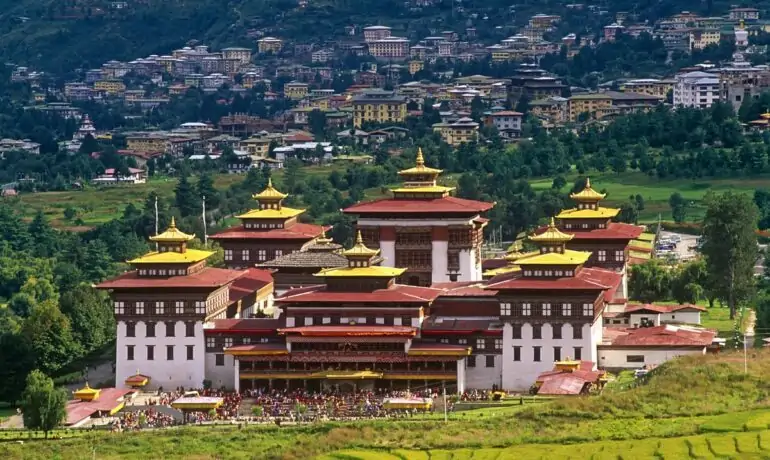
In the evening we will visit Tashicho-dzong – the main monastery of the city and the royal secretariat.
Tashicho Dzong is picturesquely situated near Thimphu town on the banks of the Wang Chu River.
It is an imposing, massive and very photogenic structure surrounded by neat
lawns and idyllic gardens.


Day 3. Dec. 31. Thimphu to Punakha.

After breakfast, we will proceed to Punakha valley. On the way we will pass through Dochu-La Pass,
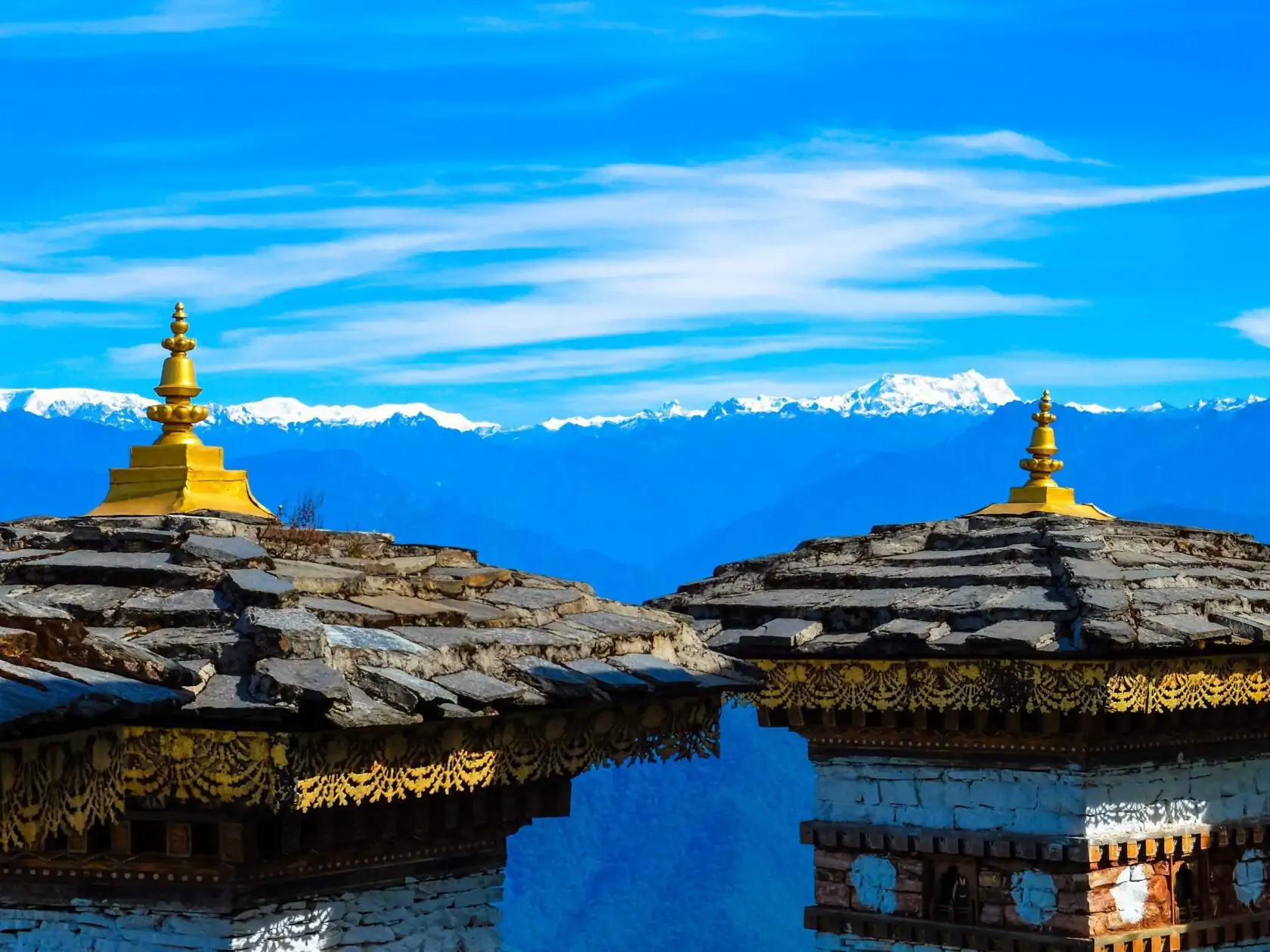
the height of which is 3080 meters. If you are lucky with the weather, you will see the chain of the highest Himalayan mountains .
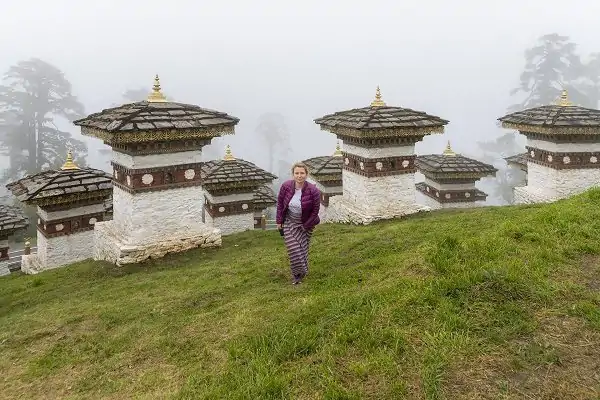
peaks. There is a complex of one large and one hundred and eighty small stupas on the pass, and
also a monastery. We will stop to enjoy the beautiful views and take
photos.
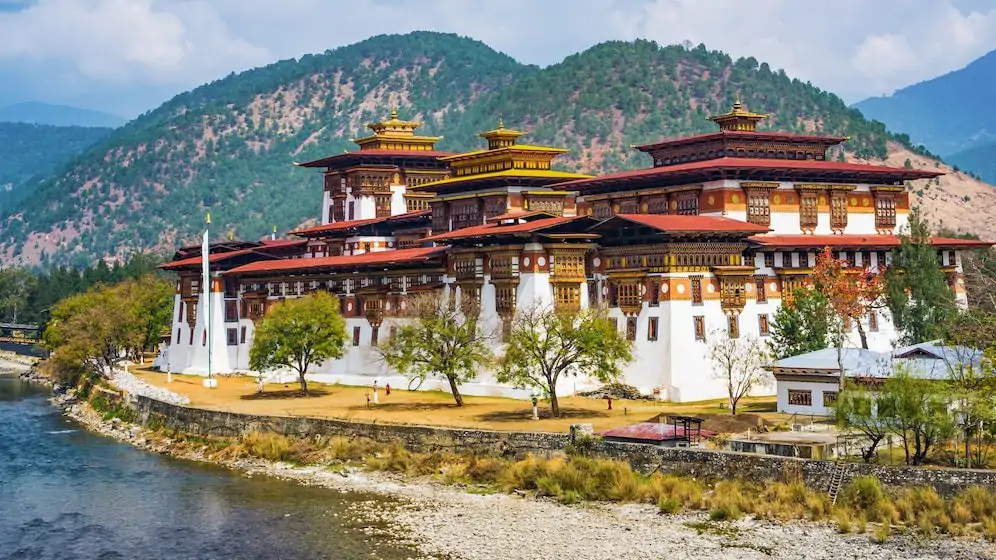
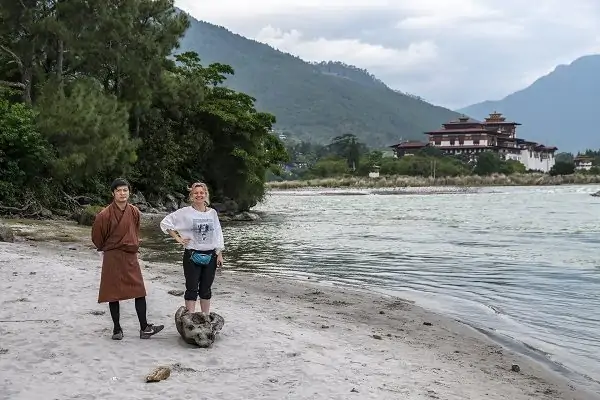
We will visit the famous Punakha Dzong. It is a very picturesque place, especially on clear
days, when the sun reflecting off the water surface illuminates the whitewashed walls of the ancient
monastery. Punakha dzong was built in 1637 thanks to Ngawang Namgyal
Shabdrung. Punakha was the capital of the kingdom until 1955, and now this city
is the winter residence of the country’s top clergy.
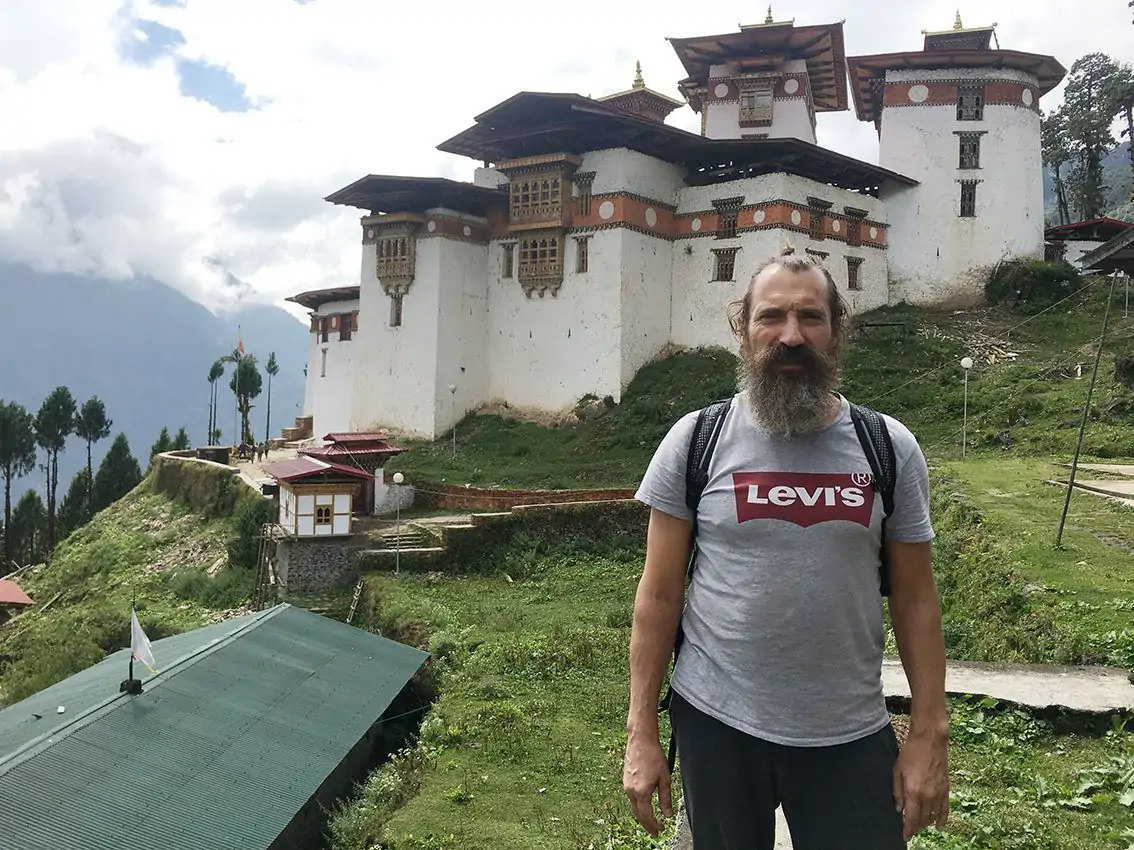
Also today we will visit Chimi Lhakhang. This monastery was built in honor of Drukpa Kyunle, who is also known as the Divine Fool. Chimi-lhakang
is believed to have miraculous powers – curing infertility. Many childless couples come to Chimi for a blessing.
We’re going to the farmhouse for lunch. A kind-hearted hostess will show you around the house and
household. Here you will be able to see the way of rural life. Walk to the river and waterfall,
those who wish will be able to take baths with hot stones on the bank of the river.
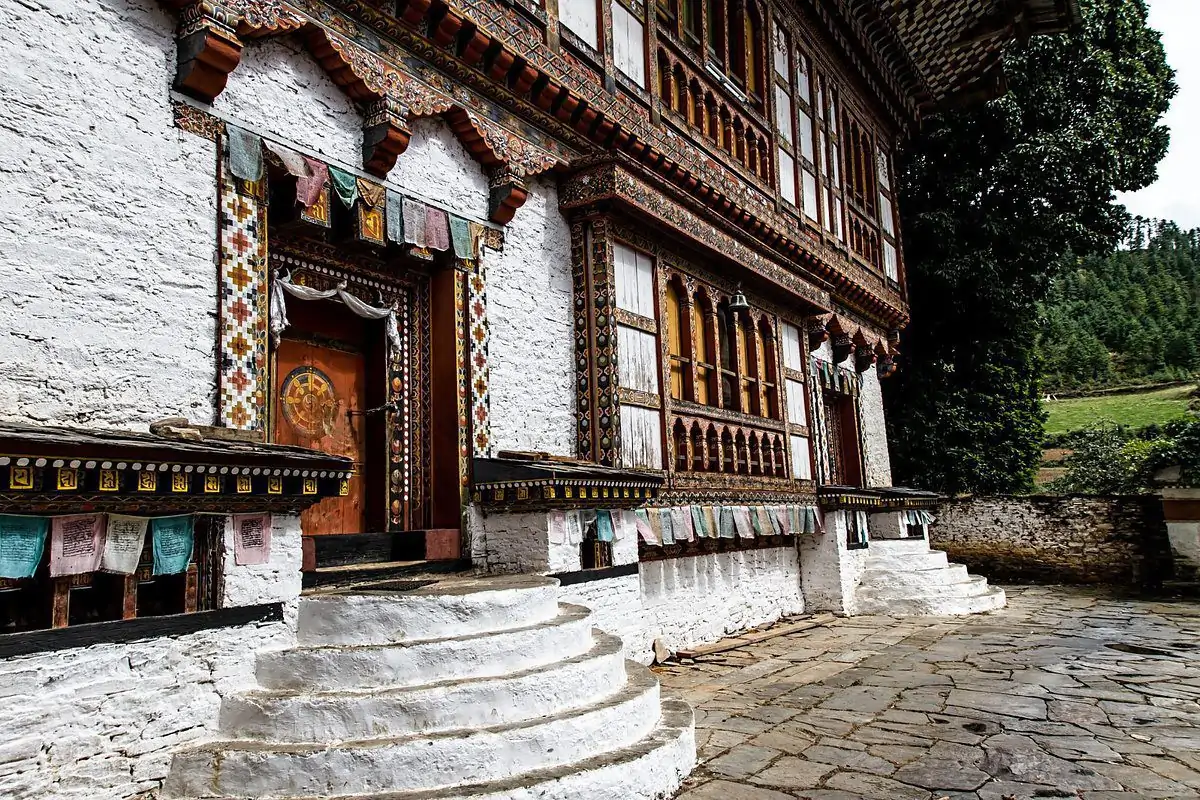
After the baths we will be transferred to an ancient manor, where once lived a Bhutanese
nobleman with two wives and children. In the same estate are three Buddhist Temples, where
relics brought from Tibet are preserved. Beautiful garden, restored but
preserved former appearance of the manor house – will not leave you indifferent.
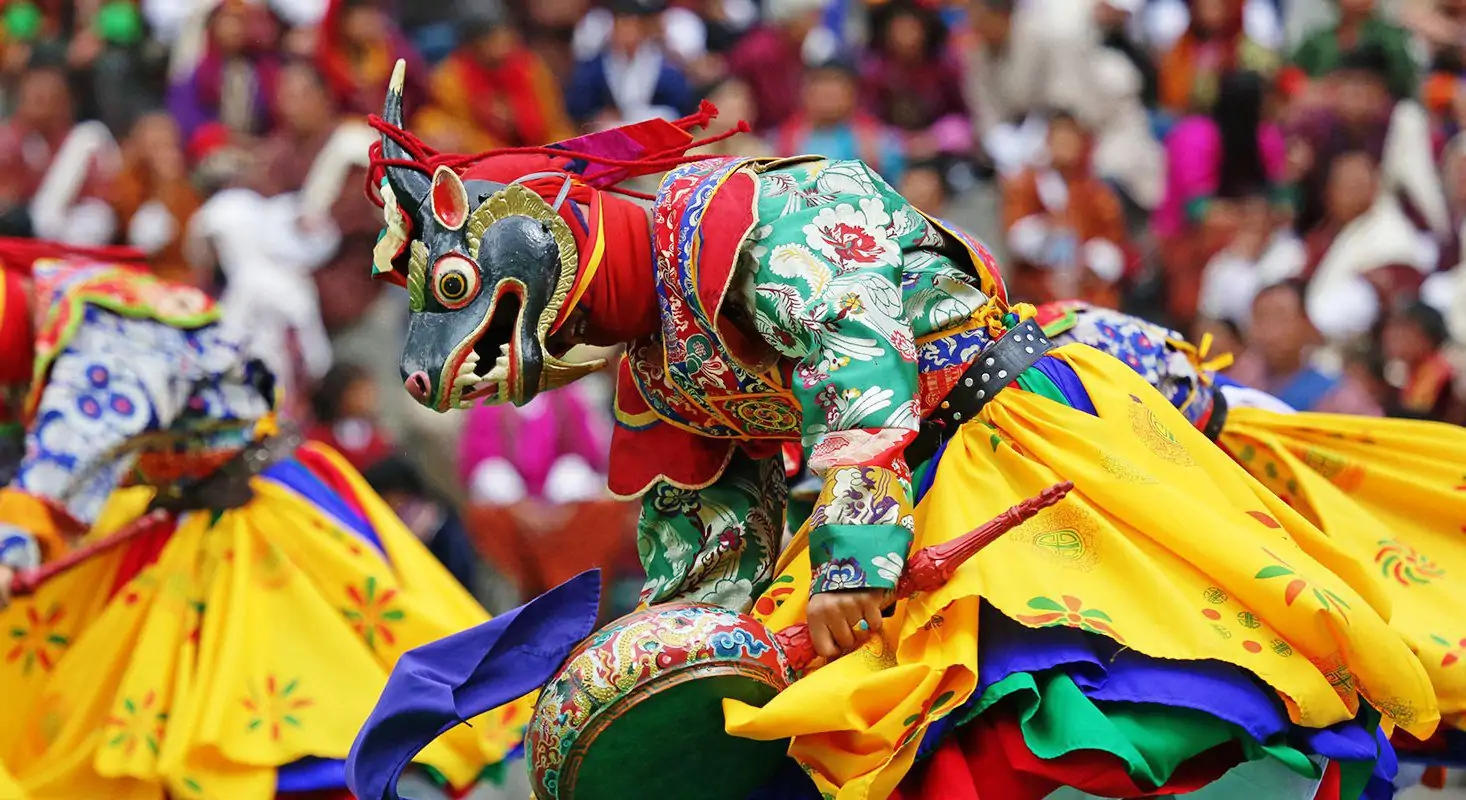
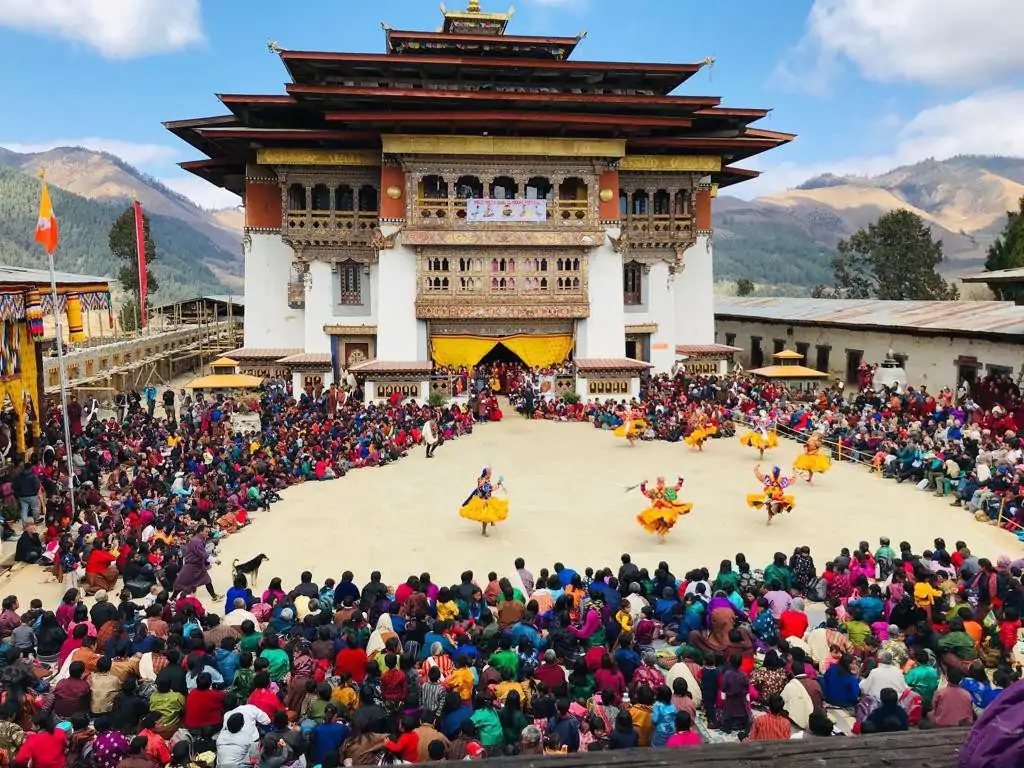
In the evening – dinner around the campfire with the villagers. They’re gonna give us a little folklore show
introduction.
We will celebrate the New Year under the starry Himalayan sky.

Day 4. Jan. 1. Punakha

We will start the New Day and New Year with a Buddhist Prayer Service at the Temple, which is located here
also at the manor house.
After Puja, we are expected to hike to a neighboring village and take nature walks.
Free evening.


Day 5. Jan. 2. Punakha to Paro.

Early morning transfer to Paro (3 hours).
We will travel by Indian jeeps to Dongkola Monastery. This is not a tourist place,
you are unlikely to meet any other foreigners in this place. But this sacred place
is known and revered among the locals. It is here that a huge oil lamp
has been burning since the 17th century, the fire in which has been maintained for 4 centuries. It requires 20
kg of oil to fill it, all those who wish to purify negative karma and gain merit make
offerings to fill the lamp, usually you have to make an appointment in advance at the monastery and
wait for your turn.
On the way back we will stop for a picnic on the top of the mountain. The stunning views from
the summit are especially beautiful in winter.
After lunch we will descend to Paro and visit Kichu Lhakang, one of the oldest
Bhutan’s monasteries. It was founded in the 7th century by the Tibetan king Songtsen Gampo, thanks to whom
Buddhism spread in the Himalayas. According to legend Songtsen Gampo with the help of Kichu
exorcised the demoness, settled in the Himalayas and bringing fear to people.
Walk in the center, optional souvenir shops.

Dinner at the hotel.

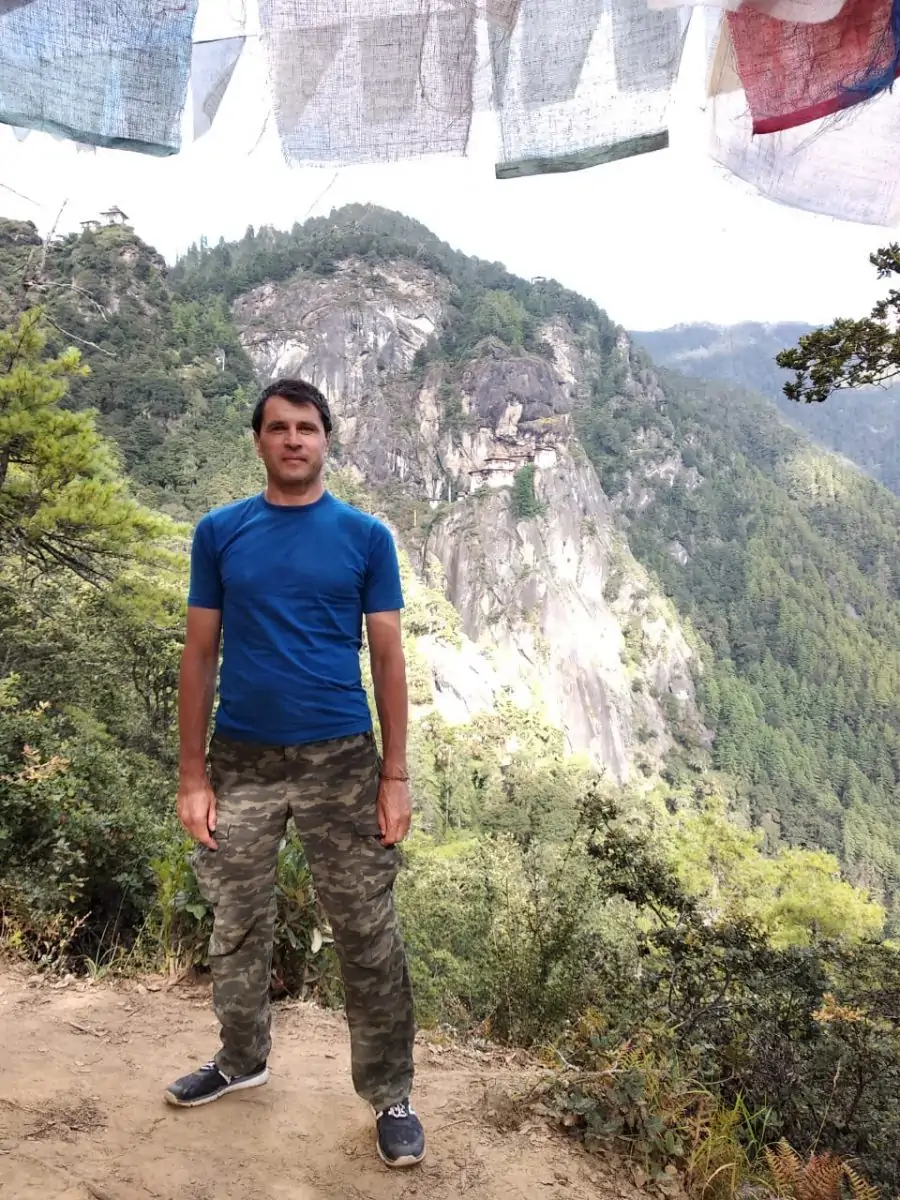
Day 6. Paro – Hike to Paro Taksang

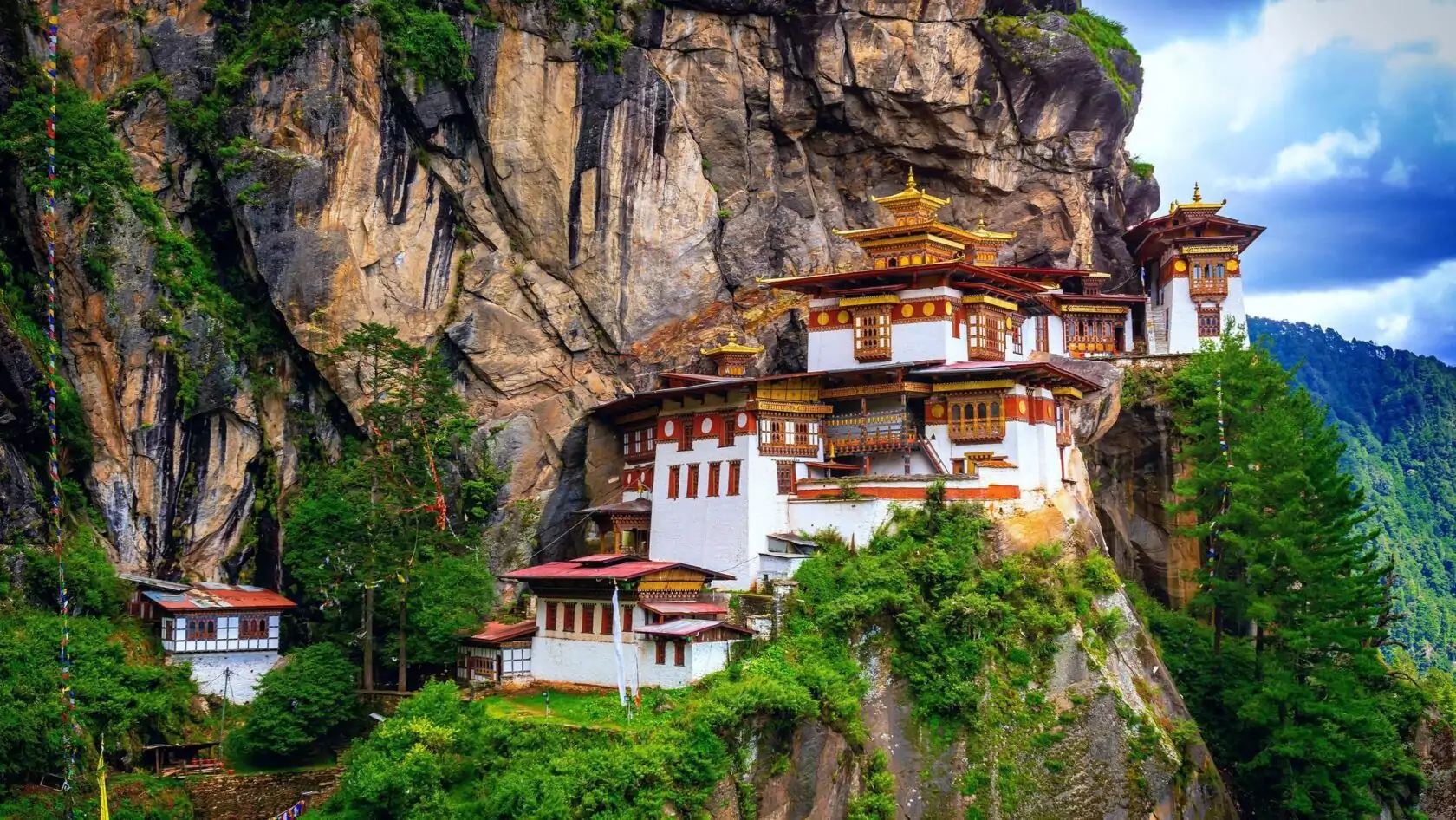
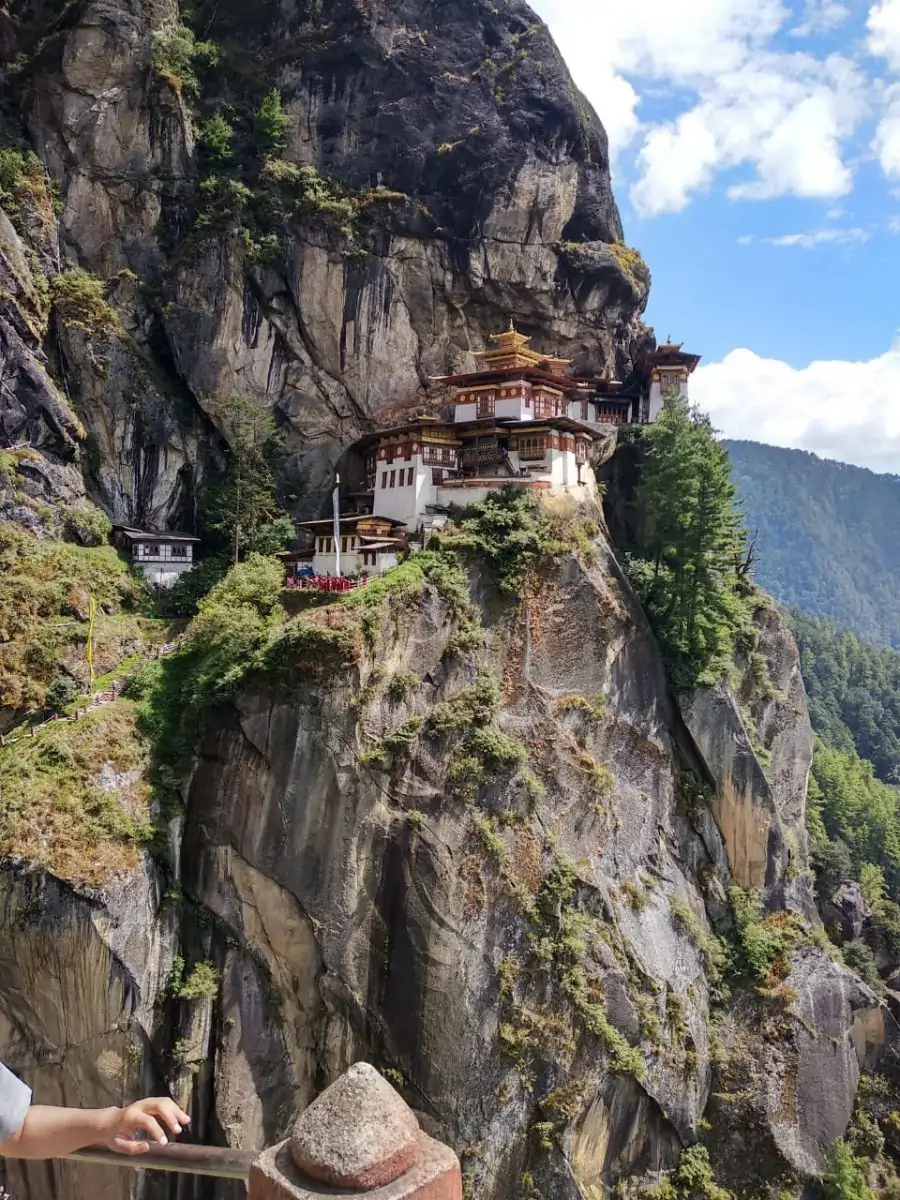
Early check-out from the hotel. Hike to Paro Taktsang.
Paro-Taktsang is located north of Paro town at a dizzying altitude of 3120
meters. To get to the monastery, we will make a 2-3 hour trekking along shady
pine forests.
It seems incredible, but Taktsang Lhakang sits on sheer cliffs 900 meters
above the Paro Valley. The name “taktsang” translates to “tigress’ nest” and there is a
explanation for this. The monastery was built in 1692 in a cave where
Guru Rinpoche meditated in the 7th century. According to legend, Guru Rinpoche came here riding a tigress and
meditated for 3 years, 3 months, 3 days and 3 hours to defeat the demons living in the cave. Since
that time, the cave has been considered sacred, and many famous Buddhist practitioners have traveled
a long way to be able to meditate there.

Farewell dinner.

Day 7. Paro.

Breakfast at the hotel. Transfer to the airport. Flight from Paro to Delhi.

.

Cost of travel

From

$4190

Bhutan visa is processed through us.

A clear color copy of your passport is required for visa processing. Passport validity – at least 6 months from the date of travel. Before the trip, we send the e-visa and itinerary to your email. These need to be printed out and presented at the counter of the airline carrier to Bhutan. An up-to-date visa is put in your passport upon arrival.

The cost of the tour includes:

  • 3* hotels (double occupancy);
  • transportation;
  • three meals a day;
  • English-speaking Bhutanese guide;
  • entrance fees, taxes;
  • Bhutan visa;
  • daily stay tax of 200 dollars per day;
  • Accompanied by a Russian-speaking guide-interpreter;

Not included in the tour price:

  • Single occupancy supplement;
  • Airfare Delhi – Paro – Delhi (from $600);
  • Health Insurance;
  • Personal Expenses.

Registration

Photo

Share:

Мы используем cookie-файлы для наилучшего представления нашего сайта. Продолжая использовать этот сайт, вы соглашаетесь с использованием cookie-файлов.
Принять