Day 1
March 1, 2026, Sunday.
Arrival in Tokyo
Arrival at Tokyo International Airport (Narita or Haneda). Transfer to the hotel.
After accommodation, free time for relaxation.
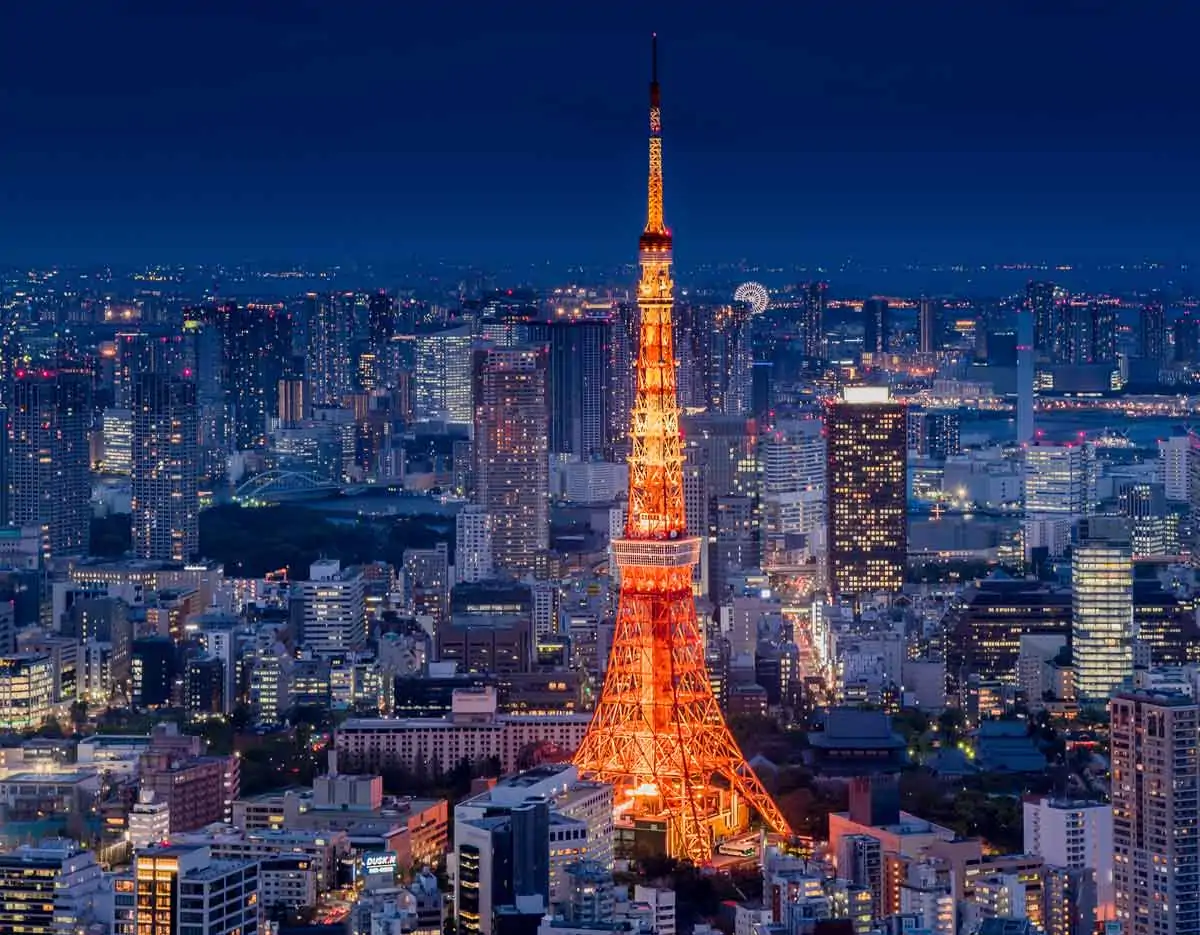
An optional stroll through the Roppongi neighborhood, which is known for its restaurants, galleries and panoramic plazas overlooking evening Tokyo.
Day 2
March 2, 2026, Monday.
Tokyo Tour.
In the morning after breakfast we leave to explore Tokyo.
Asakusa District and Sensoji Temple
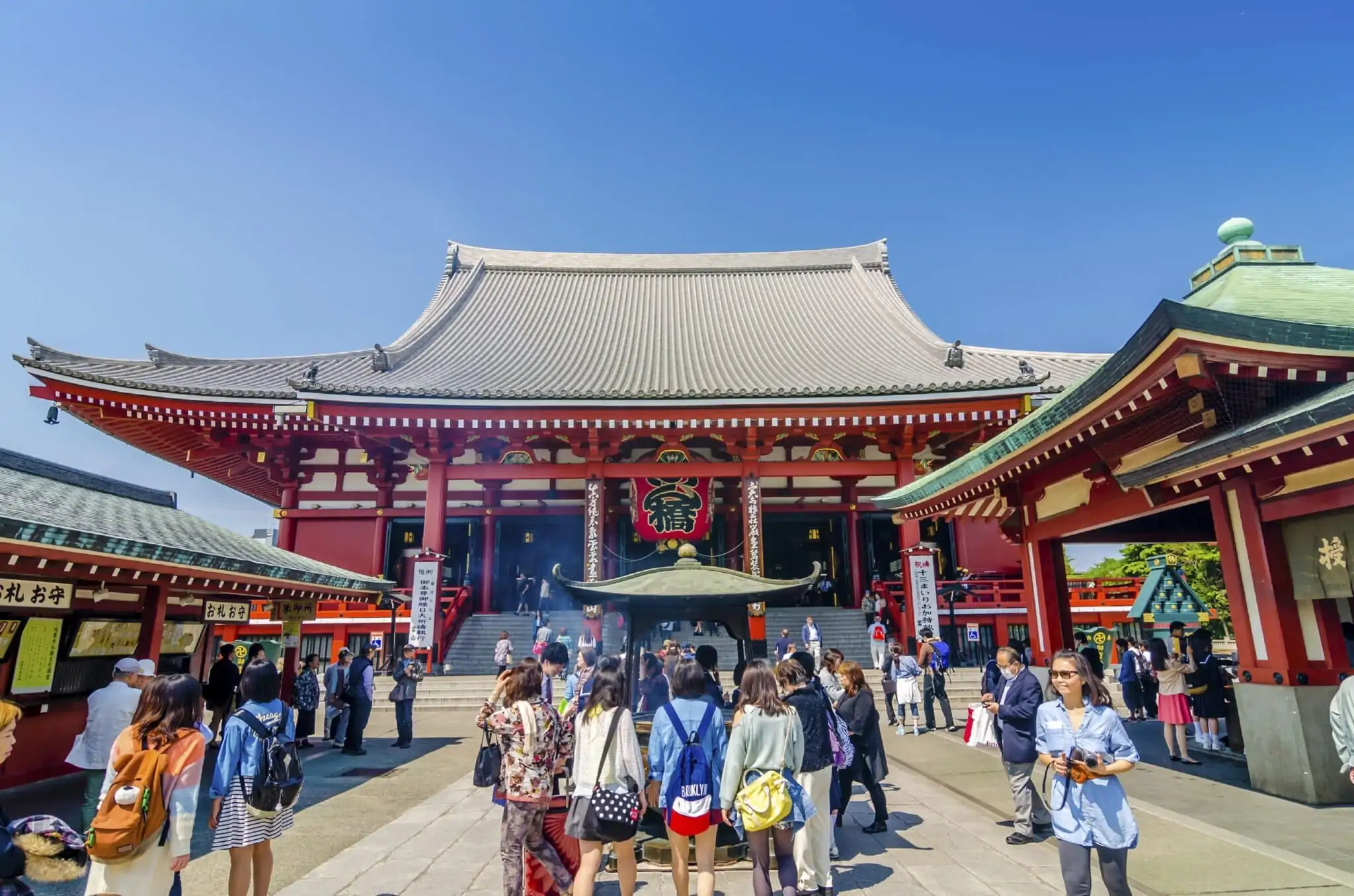
The tour begins in the ancient Asakusa district, the true historical heart of Tokyo. It retains the atmosphere of the Edo era, with narrow streets, traditional shops and ancient buildings. The main attraction is Sensoji Temple, the oldest and most famous Buddhist temple in the city. Visitors will be able to pass through the famous Kaminarimon Gate, decorated with a huge red lantern lamp symbolizing protection from evil. In the vicinity of the temple are shopping streets with traditional Japanese souvenirs, sweets and handicrafts, where you can immerse yourself in the atmosphere of old Tokyo.
Tokyo Sky Tree
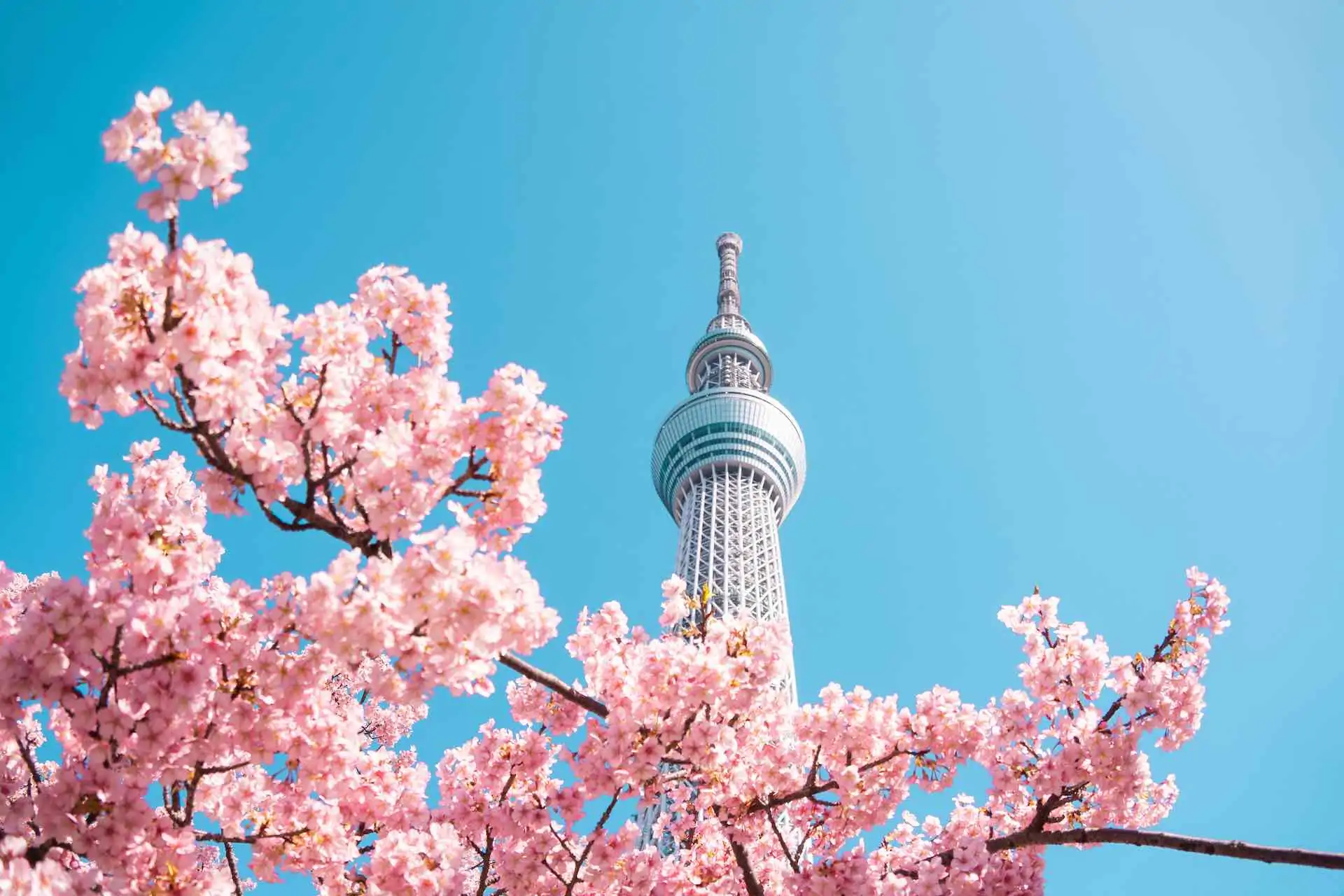
The next stop is Tokyo Sky Tree, Japan’s tallest observation tower and one of the tallest in the world. The observation deck offers spectacular panoramas of the city, including Tokyo Bay and Mount Fuji in clear weather. Here you can see modern Tokyo in all its glory, with densely populated neighborhoods, skyscrapers and green parks.
Kiyosumi Gardens
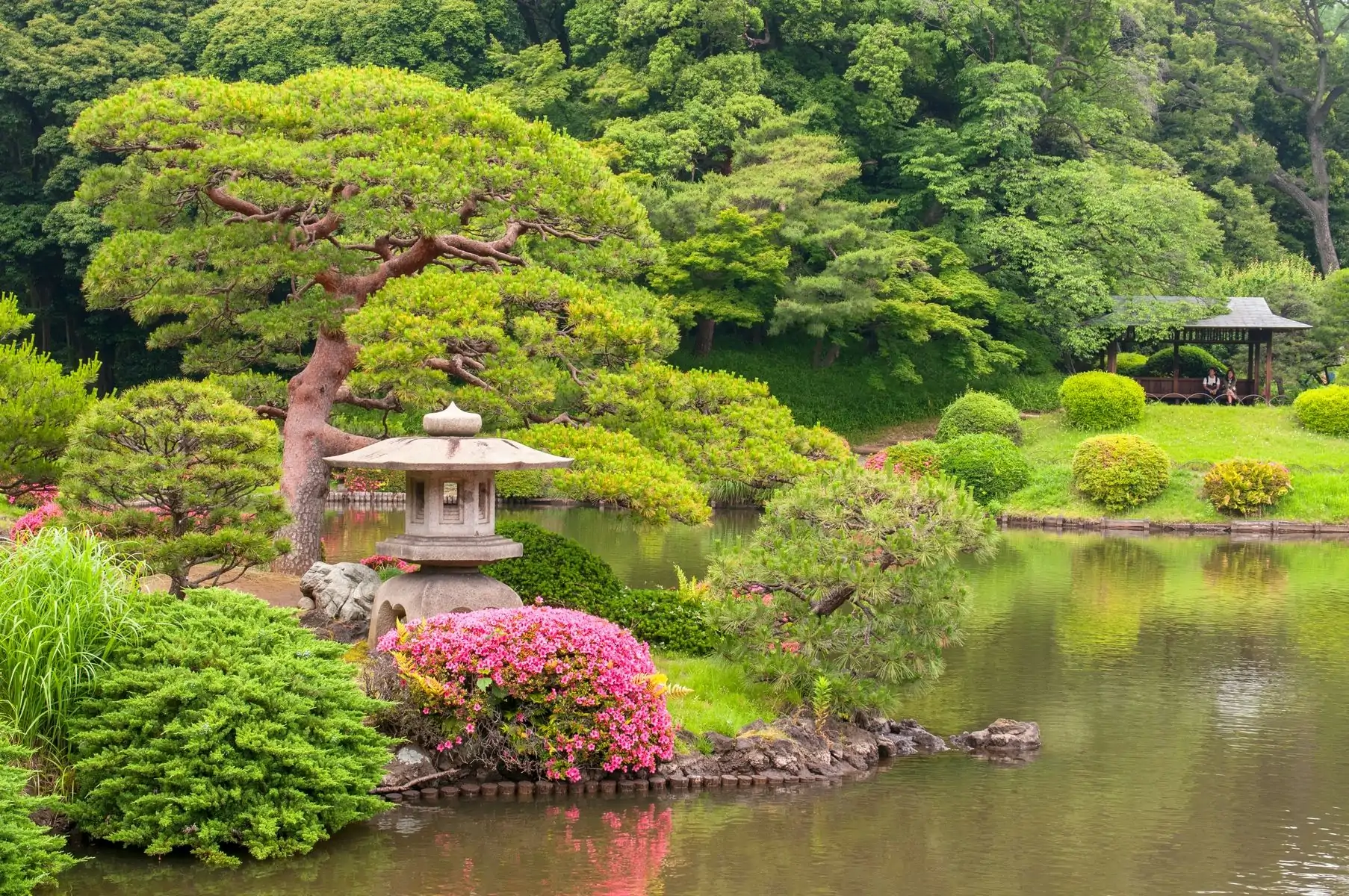
The tour continues with a walk through the Kiyosumi Garden Complex. These are traditional Japanese gardens with neatly trimmed vegetation, ponds with koi carp, bridges and stone lanterns. Here you can take beautiful photos and feel the peaceful atmosphere characteristic of Japanese gardens.
Fukagawa Fudo Temple and Fire Ceremony
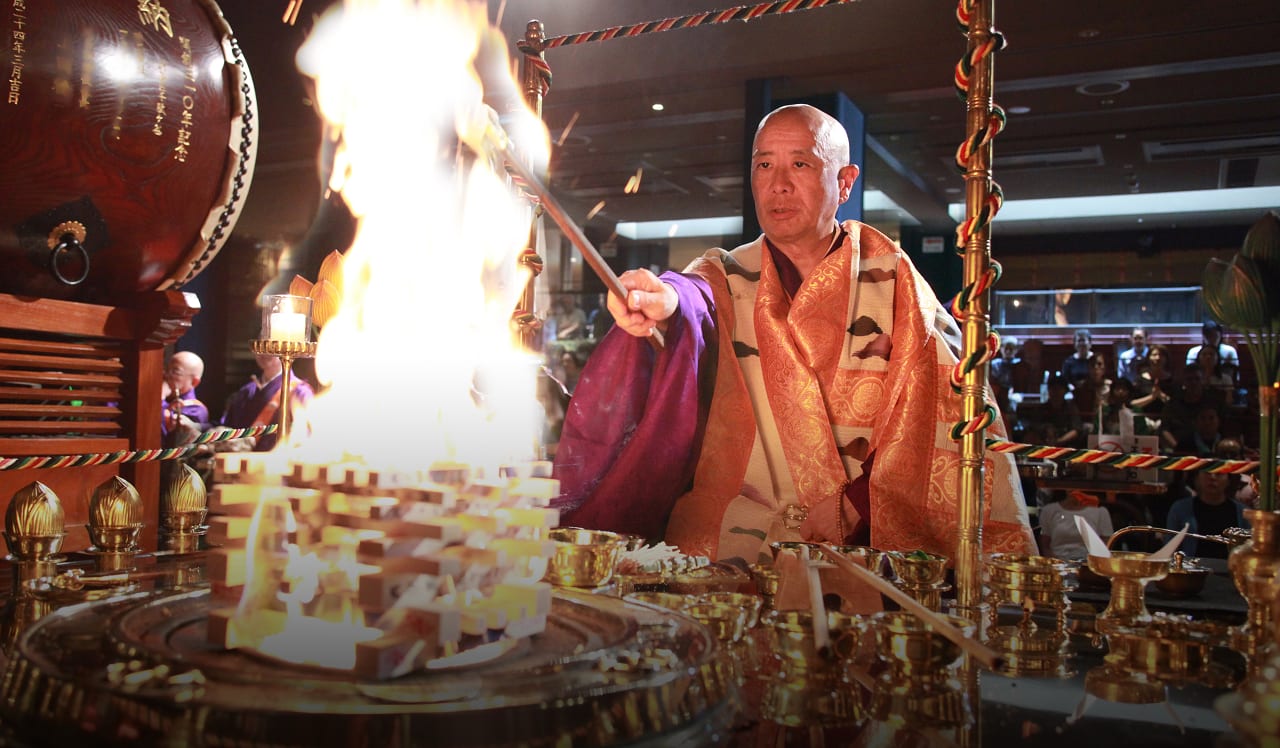
Visit Fukagawa Fudo Temple, one of Tokyo’s famous Buddhist temples. A unique fire ceremony, a fire-drum service symbolizing purification and spiritual rebirth, is held here. Visitors can observe rituals and hear traditional Japanese prayers.
Crystal Harmony Corridor and Bridge of Fortune
The tour then leads through the Crystal Harmony Corridor, a mysterious and tranquil place where every step is imbued with Buddhist philosophy. A bridge of good luck is encountered along the way, which guests walk across, making wishes and attracting positive energy.
Ginza District
The final part of the day is a stroll through Ginza, the famous luxury quarter, home to boutiques of global and Japanese brands, expensive restaurants and art galleries. Here, you can experience modern urban Tokyo, see storefronts glowing with neon lights, and immerse yourself in a unique blend of tradition and ultra-modern culture.
-Jun-15-2024-06-00-41-0149-AM.png)
After a busy day, the tour concludes with a return to the hotel.
Day 3
March 3, 2026, Tuesday.
Kamakuru. Hakone and Mt. Fuji
Journey to Kamakura – the ancient capital of Japan, located among the mountains and the sea. The city is famous for its numerous temples, the atmosphere of the ancient East and a special sense of tranquility.
Tsurugaoka Hachimangu Shinto Shrine
The main Shinto shrine of Kamakura, dedicated to Hachimangu, the god of war and patron saint of samurai. The complex is set at the foot of green hills, and a picturesque avenue of sakura trees leads to the main gate. On the territory you can see carp ponds, torii (ritual gates) and ancient buildings that preserve the atmosphere of the 12th century, when Kamakura was the political center of Japan.


Kotokuin Temple and the Great Buddha of Kamakura
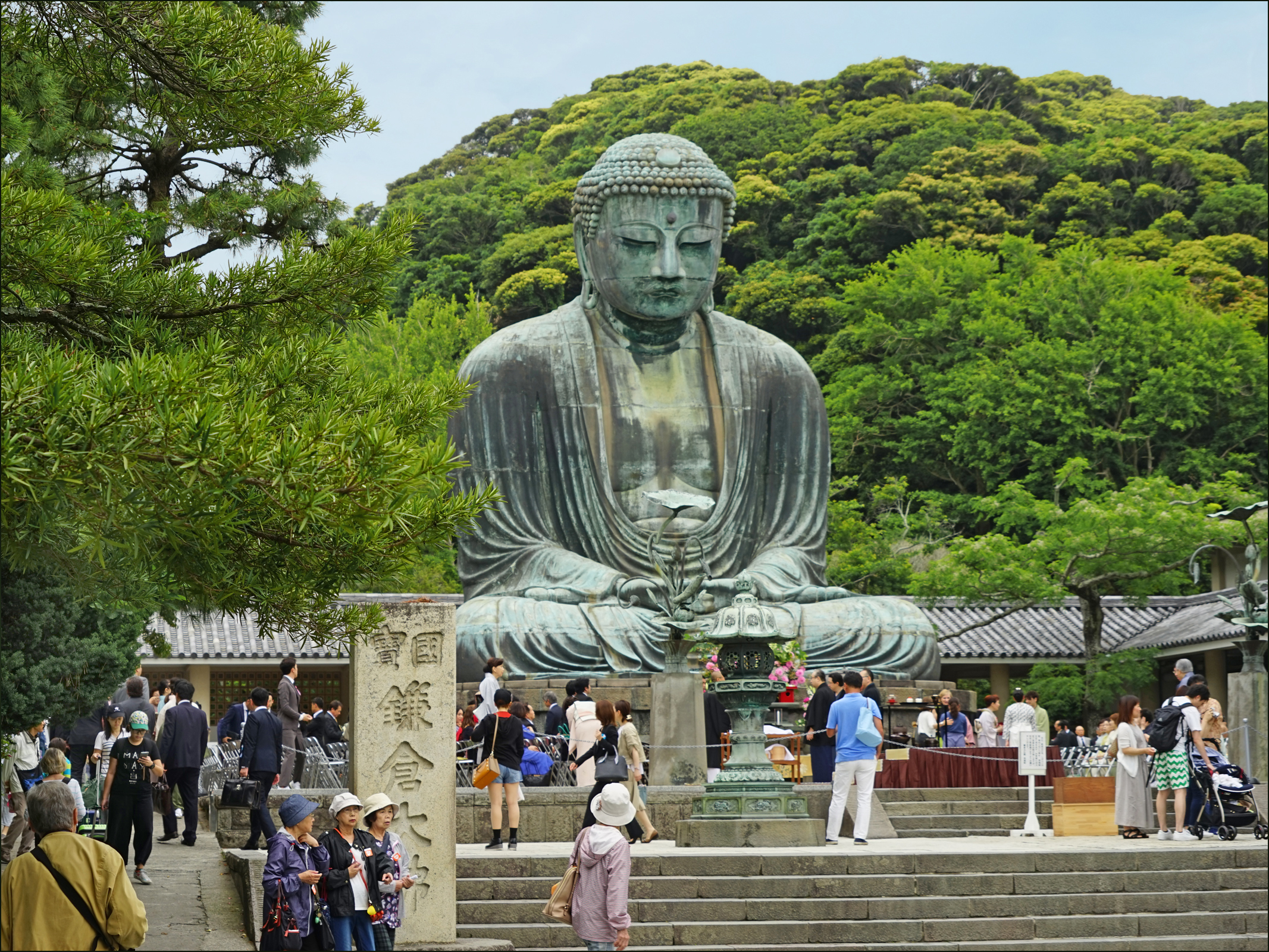
Visit the famous Kotokuin Temple, home to the bronze statue of Amida Buddha, one of Japan’s most recognizable shrines. The huge Buddha, more than 13 meters high, has been sitting in the open air for nearly eight centuries.
Hasedera Temple
Next is Hasedera Temple, famous for its garden, ponds, blooming hydrangeas and magnificent panoramas of Sagami Bay. The temple grounds include an 11-meter-high statue of Kannon, the goddess of mercy, and an observation deck that offers beautiful views of the coastline.

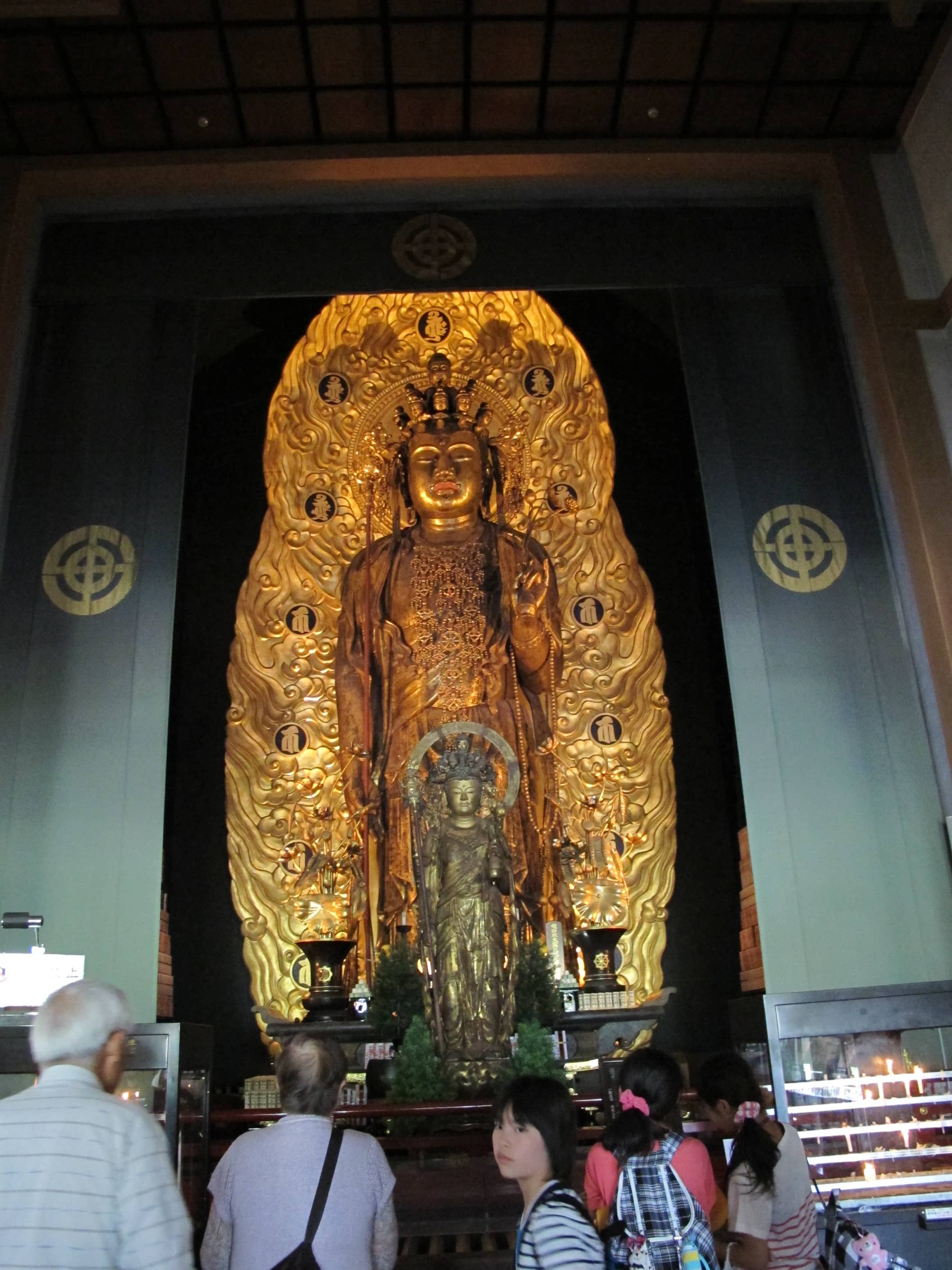
Kentyo-ji Temple
Then a visit to Kentyo-ji, the oldest Zen Buddhist temple in Kamakura, founded in the 13th century. Considered the birthplace of Zen in Japan, this temple is characterized by its austere architecture, atmosphere and manicured gardens. Here you can feel the spirit of concentration and inner silence that pervades Zen culture.
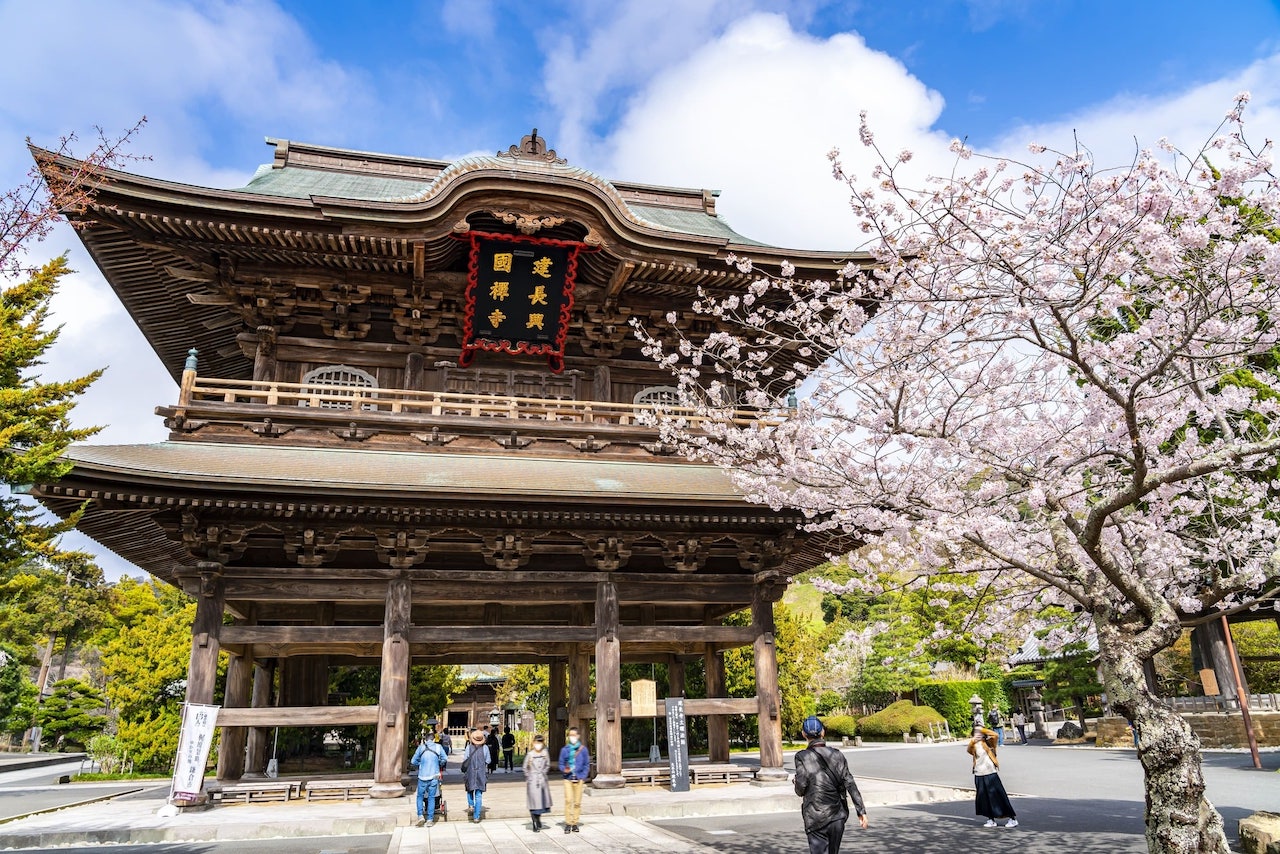
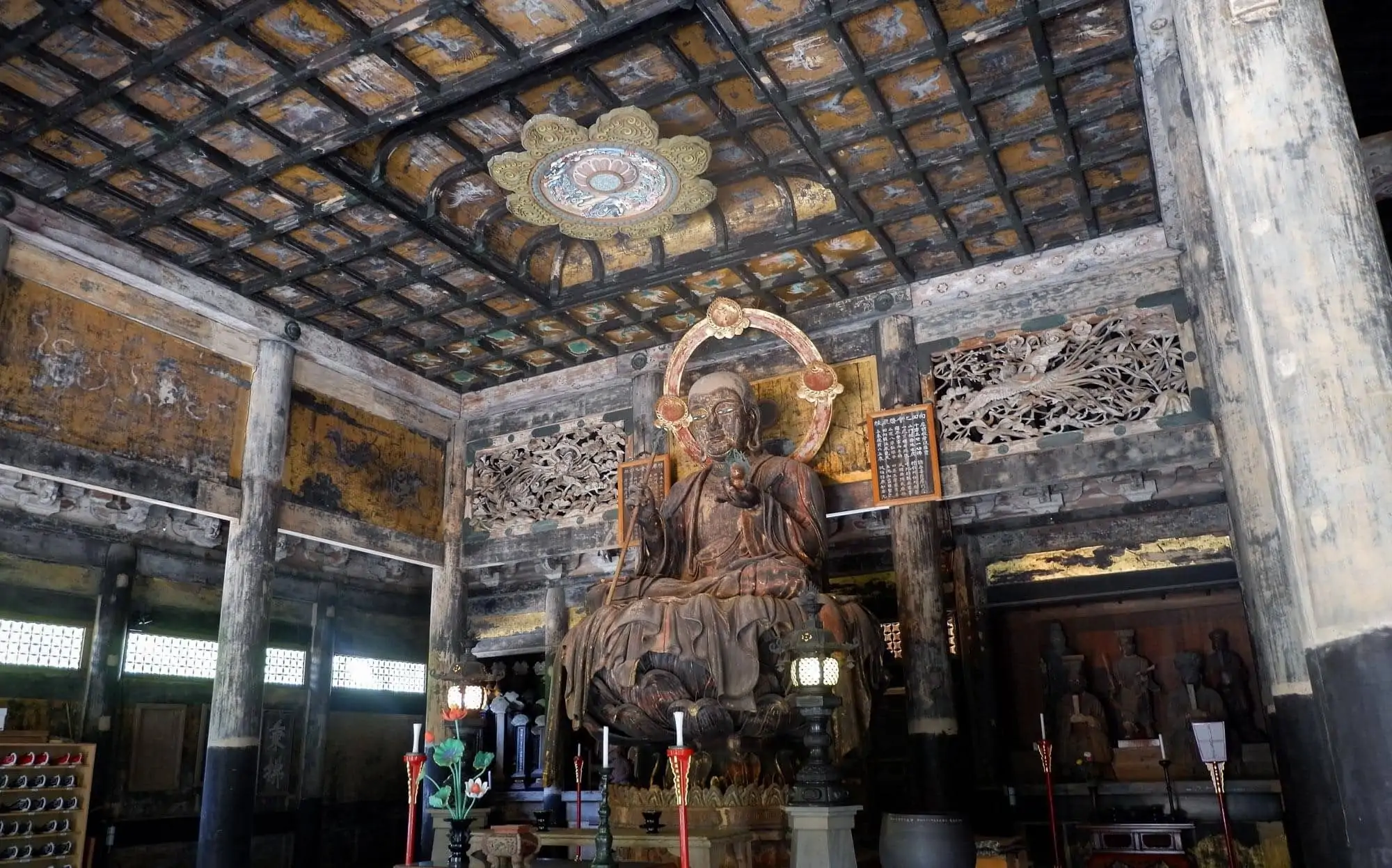
Transfer to Hakone. Mount Fuji. Hot springs
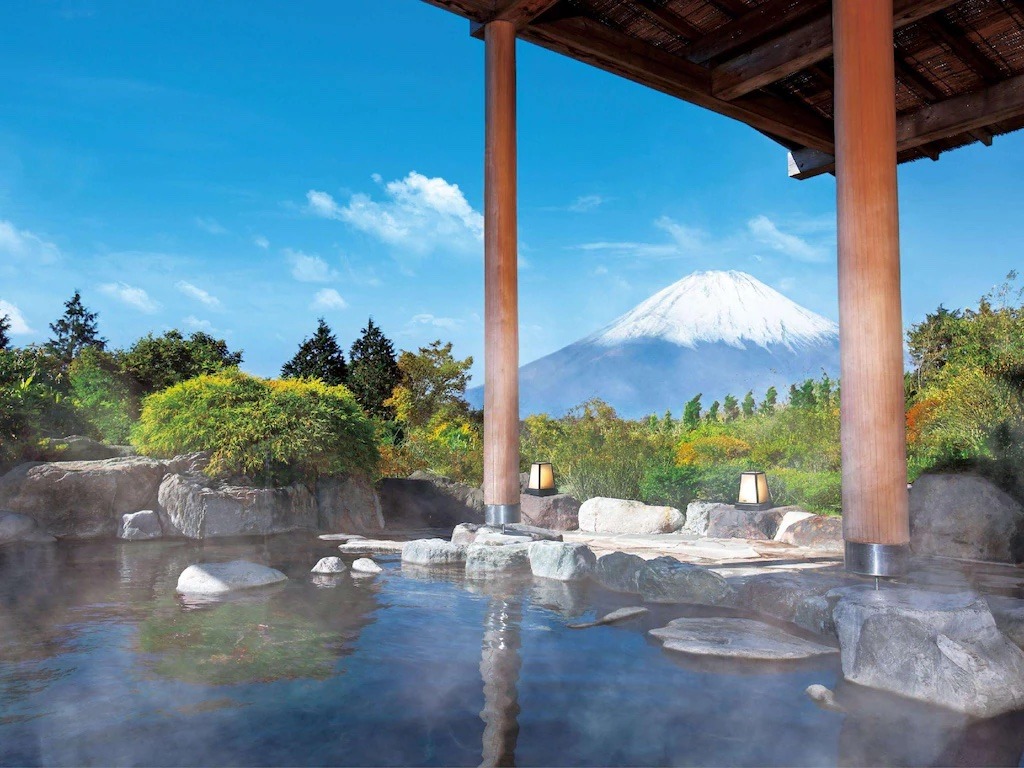
After the tour, transfer to the picturesque mountainous region of Hakone, famous for its thermal springs and views of Mt. Fuji.
Accommodation in a ryokan (traditional Japanese hotel).
Guests will enjoy true Japanese hospitality, relax in onsen (hot springs), and taste an exquisite kaiseki dinner consisting of a variety of Japanese dishes served according to special rules of aesthetics and harmony.
Day 4
March 4, 2026, Wednesday.
Hakone. Mount Fuji. Transfer to Kyoto.
In the morning, depart for a tour of the scenic Hakoneregion .
The first stop on the itinerary will be Hakone Shrine, one of the oldest and most revered sacred sites in the Kanto region. The shrine, founded more than 1,200 years ago, is surrounded by dense cedar forests and is known for its red torii standing by the water. People come here to purify their thoughts, pray for wellbeing and enjoy the silence of the sacred Lake Ashinoko.


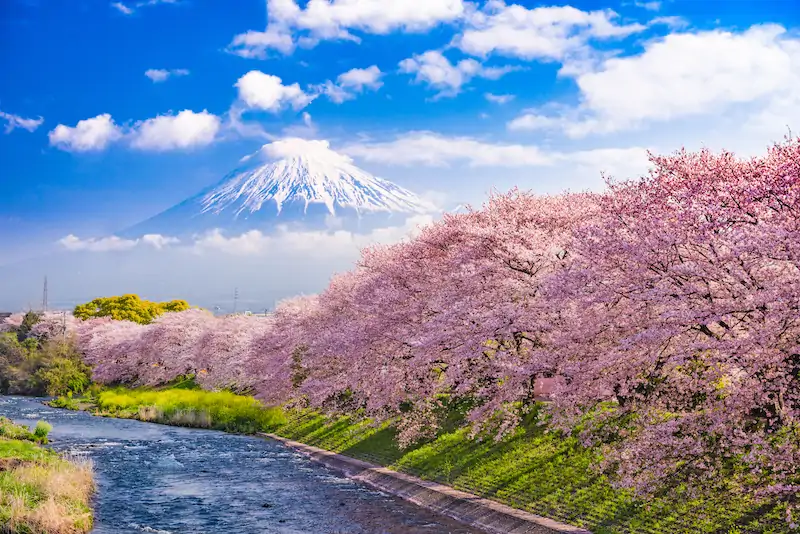
Here, weather permitting, you will be able to see the famous silhouette of Mount Fuji reflected in the calm waters of Lake Ashinako. The scenery is particularly mesmerizing in the morning hours, when Mt. Fuji is shrouded in a light haze and illuminated by the first rays of the sun.
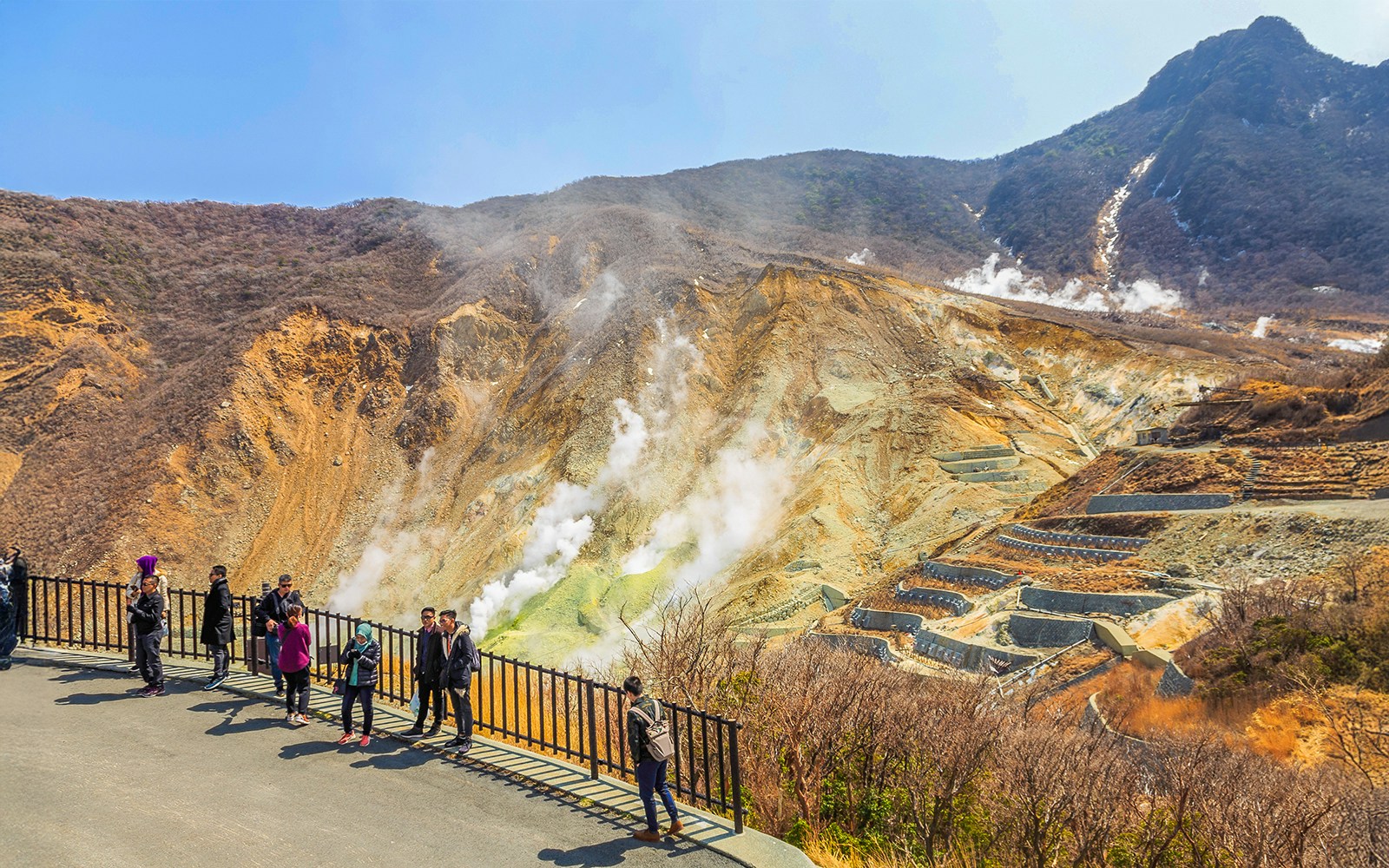
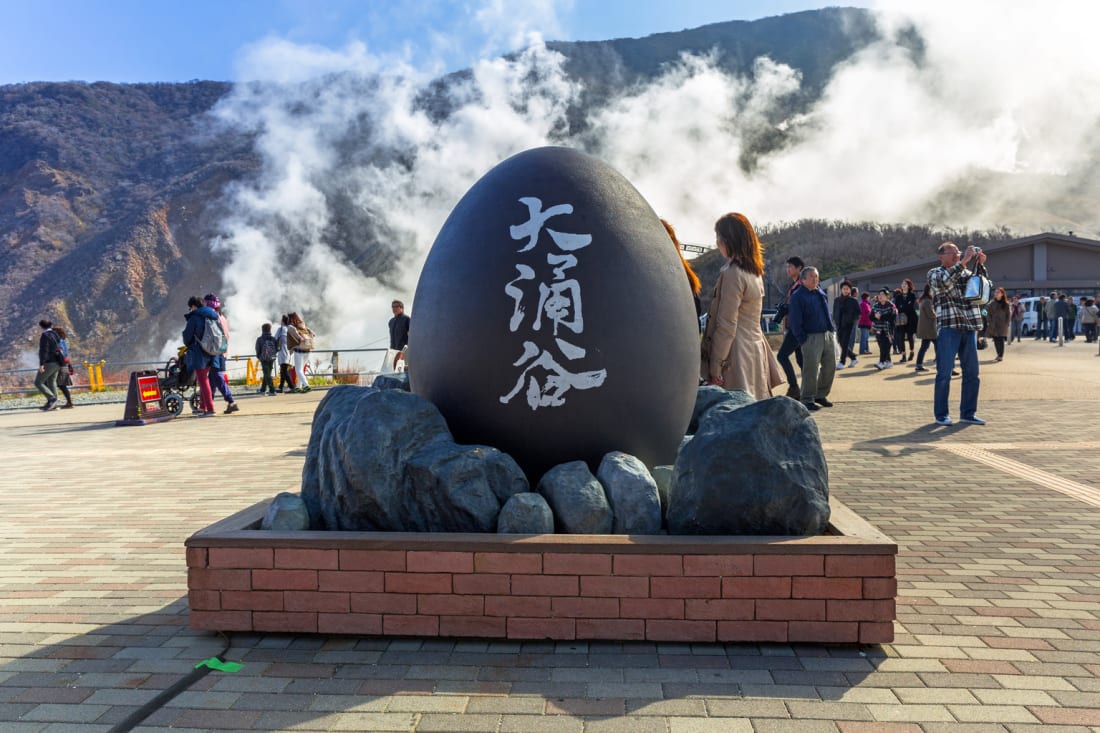
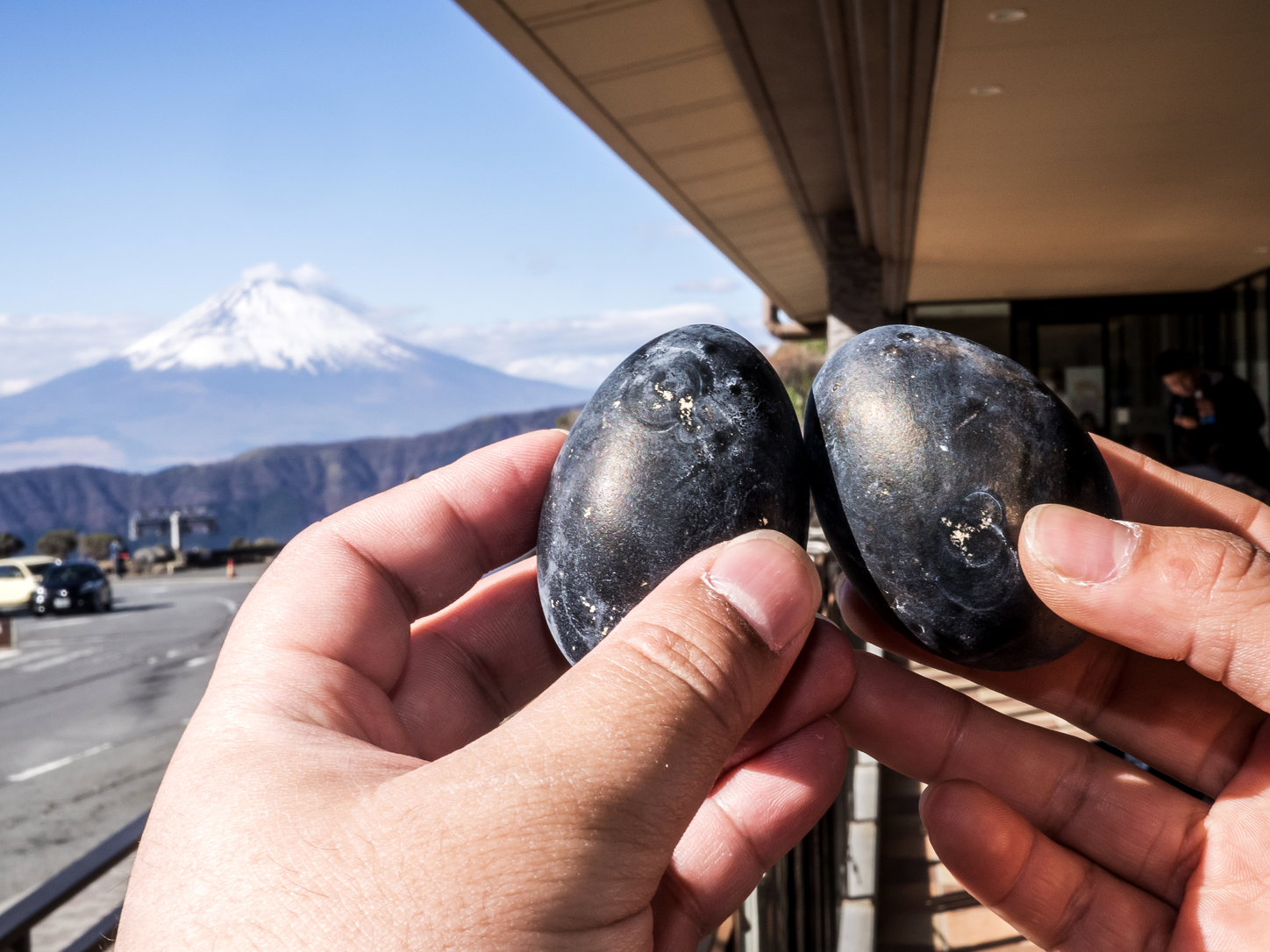
Next, a cable car ride to the famous Owakudani Valley, which the Japanese call the “Valley of Hell”. This is an active volcanic zone with steaming geysers and sulfur springs. Here you can see how the earth literally breathes and taste the legendary “black eggs” boiled directly in the hot springs. According to local legend, one such egg extends life by seven years.
After the tour, transfer to Odawara station and transfer by high-speed shinkansen train to Kyoto. Before boarding, you can buy a traditional bento box, a beautifully decorated lunch that Japanese people like to enjoy on the way.
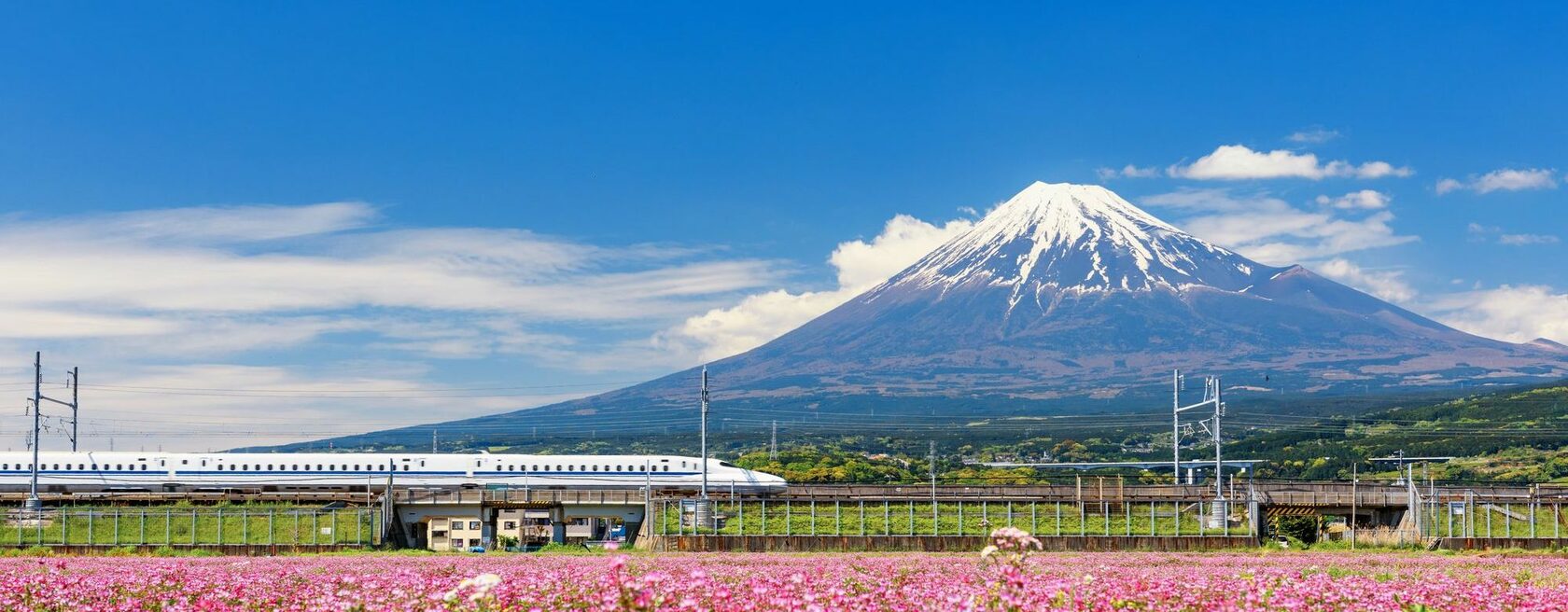

Upon arrival in Kyoto transfer to the hotel. The evening is free for rest or independent walk around the neighborhood – ancient streets and quiet quarters of the ancient capital.
Day 5
March 5, 2026, Thursday.
Kyoto. Pure Water Temple – Kiyomizu-dera. Heian shrines.
In the morning, depart for a sightseeing tour of Kyoto, the ancient capital of Japan.
Kyoto, the ancient capital of Japan, is surrounded by mountains on three sides, and mountain gods reliably protect the city from evil spirits.
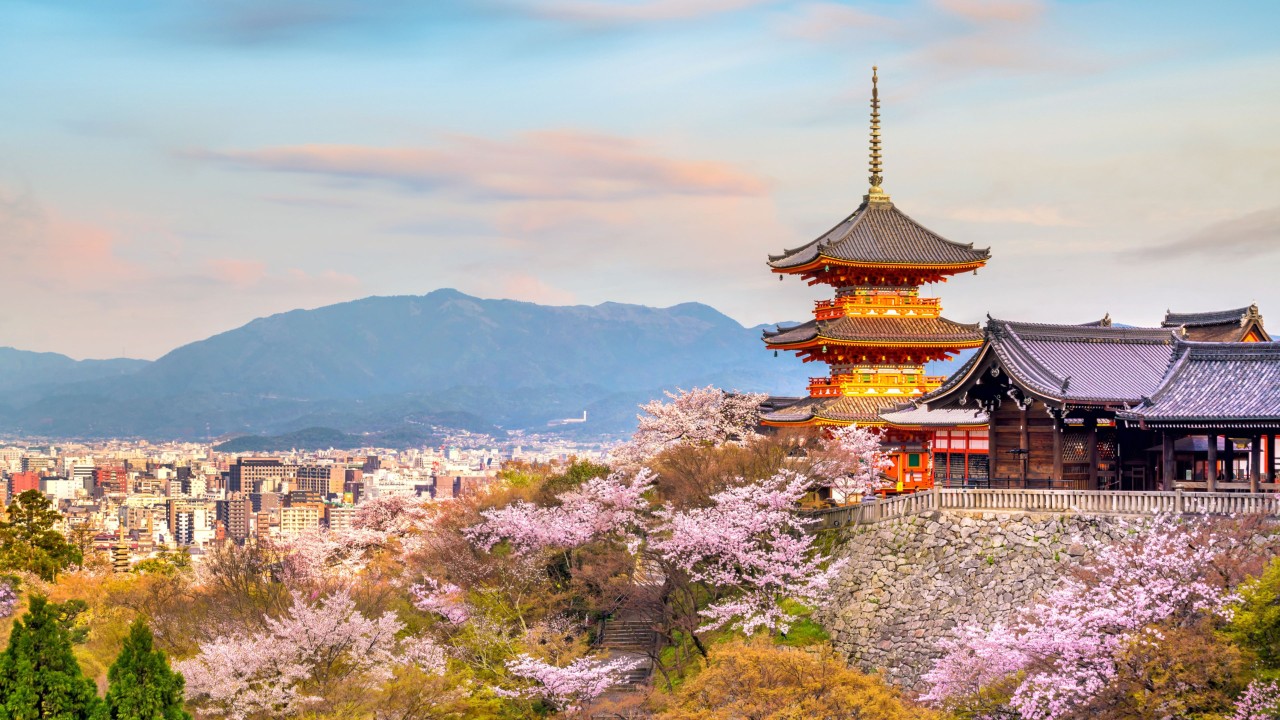
The first stop will be the famous Kiyomizu-dera temple, the Temple of Pure Water. This 8th century architectural masterpiece stands on a high hill overlooking the city. The temple is famous for its wooden platform, which protrudes over the cliff without a single nail, and its pure water source, which is attributed to miraculous properties.

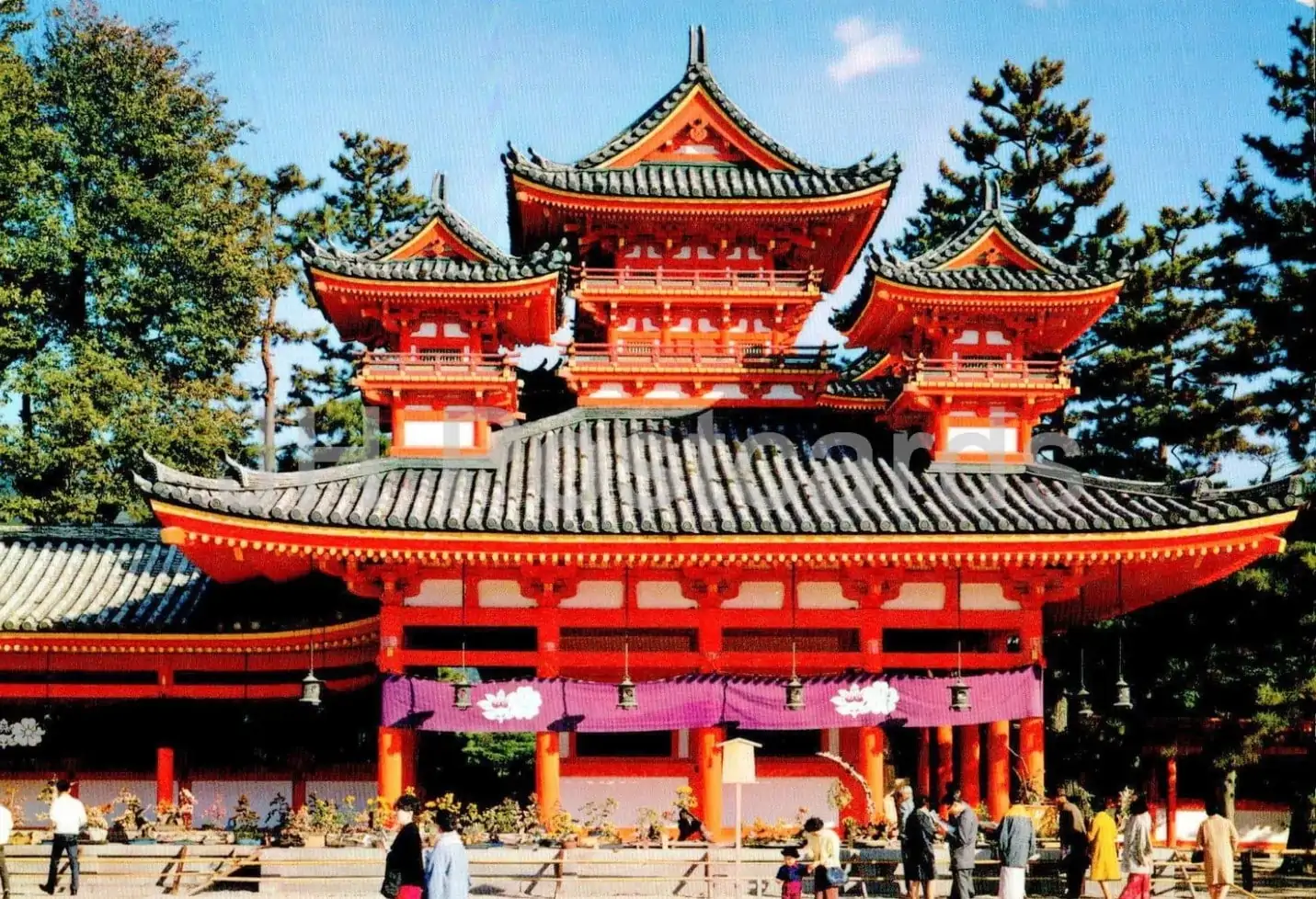
Next, walk through the garden of the Heian Sh rine, one of the symbols of Kyoto, dedicated to the spirits of the first emperors. At the entrance to the shrine stands the majestic red torii gate, which has become one of the most recognizable views of the city. Inside are manicured ponds, bridges and flowering trees,
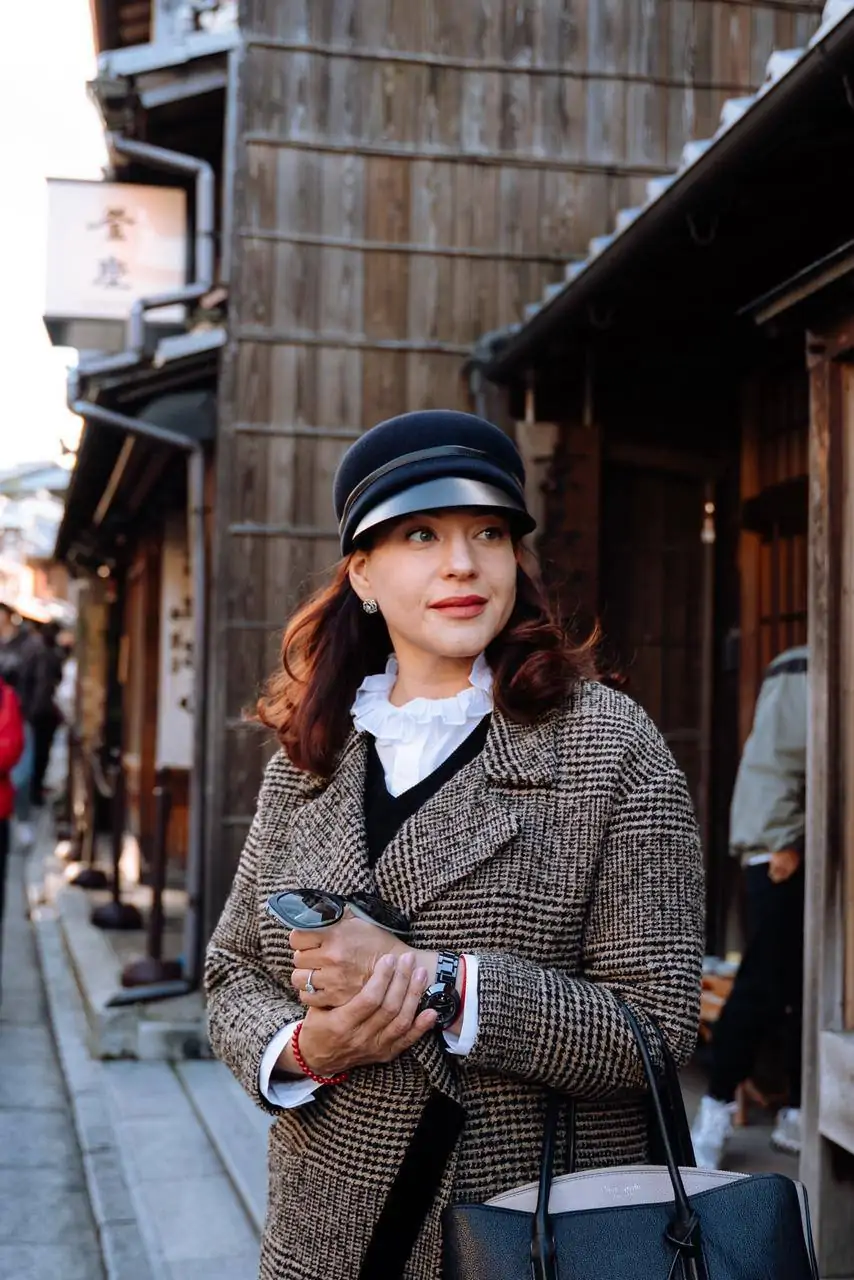
Continue along the ancient stone-paved streets of Sannenzaka and Ninenzaka, surrounded by traditional wooden houses. Here you can feel the atmosphere of old Kyoto, visit craftsmen’s workshops and shops with exquisite handmade souvenirs.

Then – a walk through the Gion neighborhood, where even today you can meet real geisha, hurrying to evening meetings.

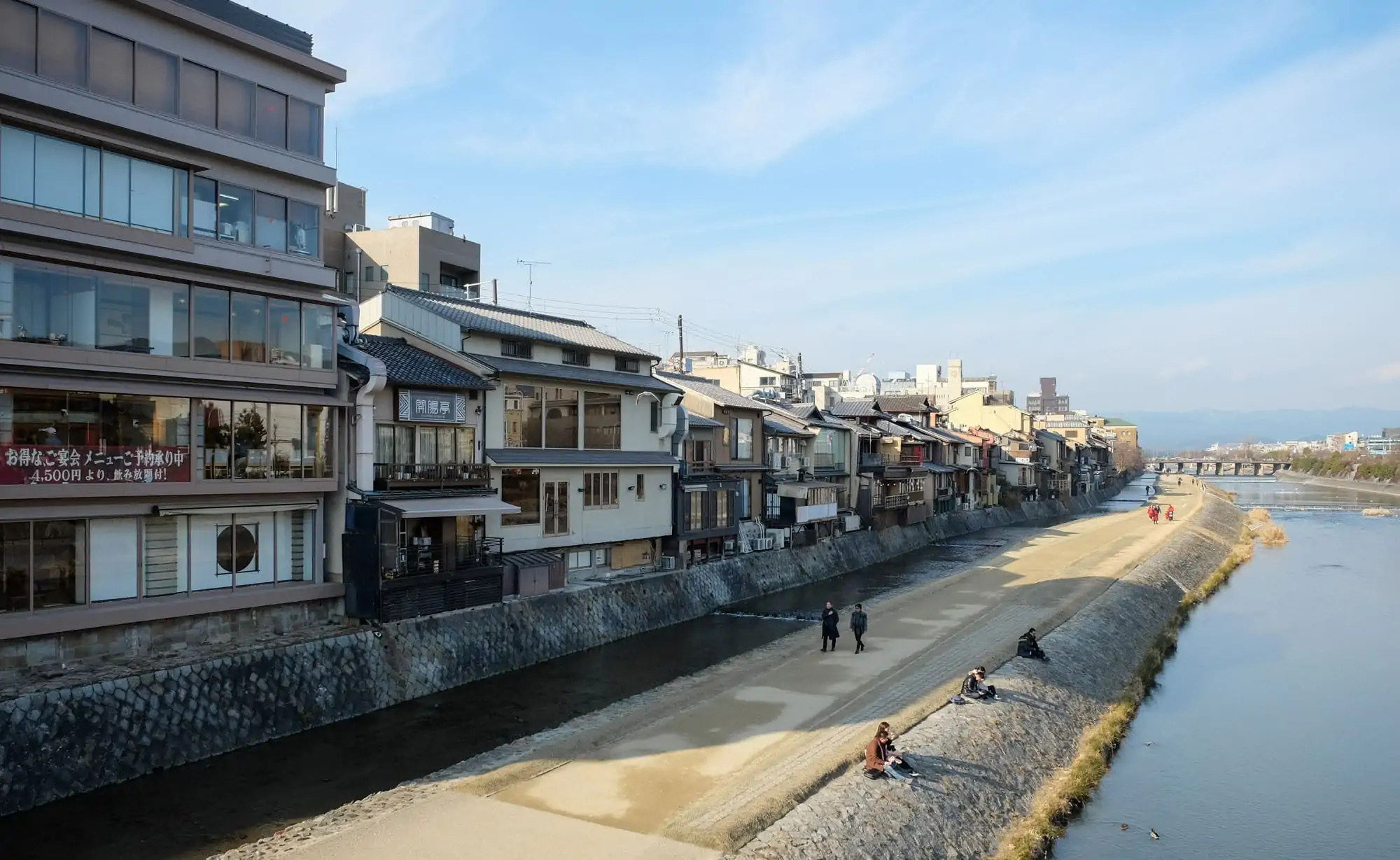
End the day at the picturesque waterfront and narrow street of Pontotö, famous for its old tea houses and restaurants with traditional cuisine.
Day 6
March 6, 2026, Friday.
Kyoto. The sacred mountain Kurama. Kibune village. Golden Pavilion. Ryoanji Temple.
The journey up the mountain begins with a visit to Kurama-dera Buddhist temple, founded in the 8th century on the mountainside. It can be reached by cable car or by ancient stone steps leading through dense forest to the main hall. The temple is known as the place where, according to legend, the warrior Minamoto no Yoshitsune learned the art of combat under the guidance of celestial beings.

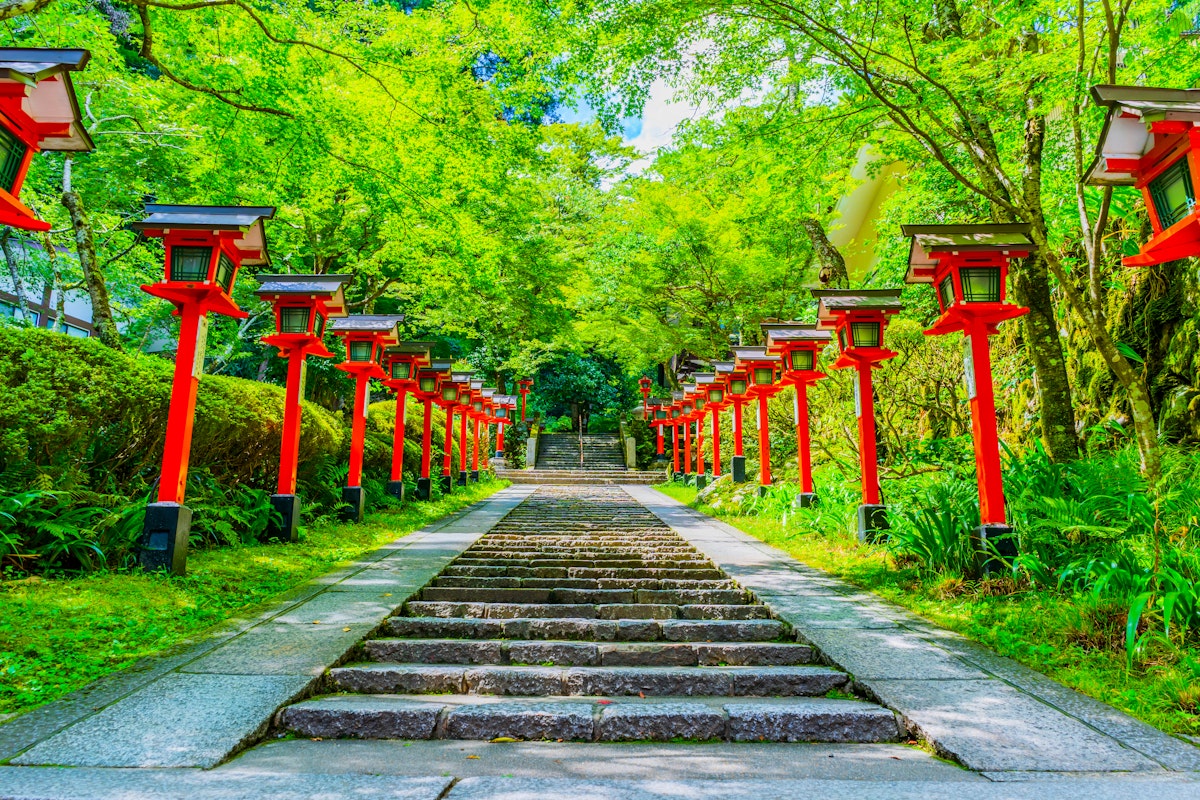
After the temple tour, descend to the picturesque village of Kibune, nestled in a gorge amidst mountain streams. Here is the graceful sanctuary of Kifune, dedicated to the deity of water and rain. Red lanterns flicker at the entrance, and wish tablets left by pilgrims can be seen in the stream nearby.


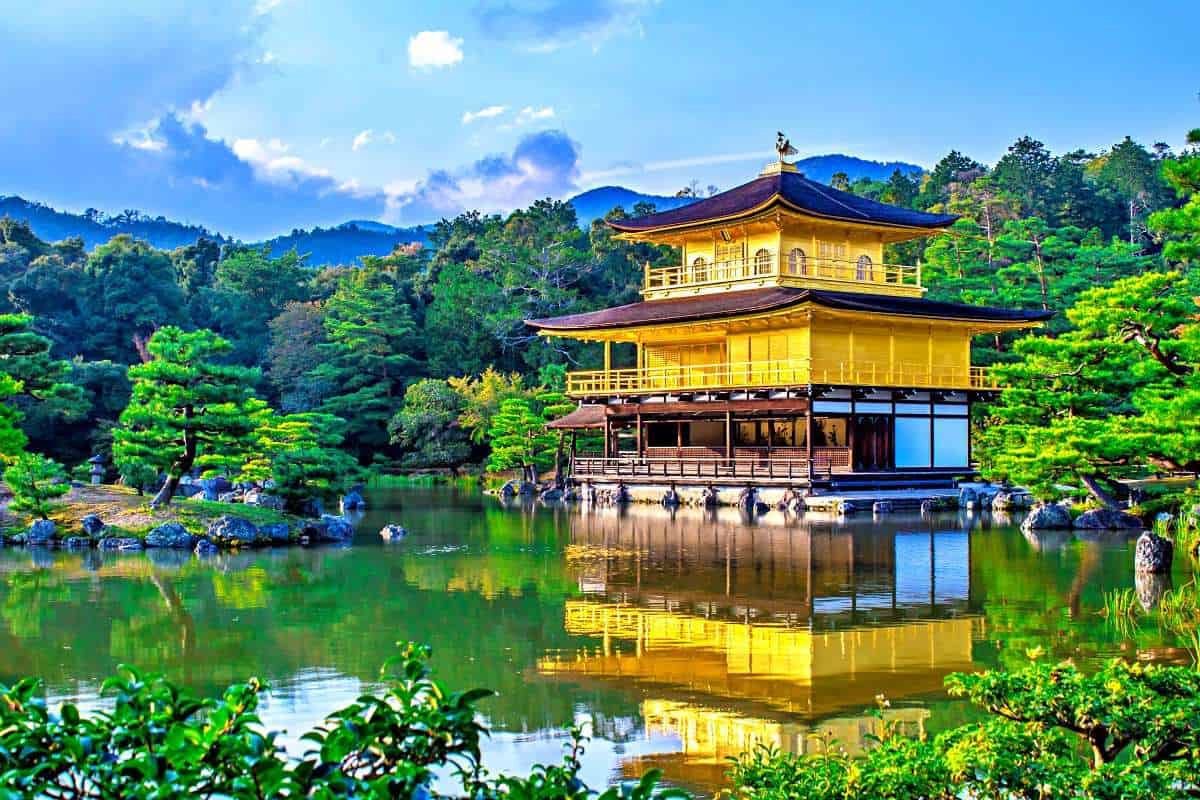
Return to Kyoto and visit the Golden Pavilion, one of Japan’s most famous symbols. This former country palace of the Shogun is covered with gold leaf and reflected in the mirror-like surface of the pond, creating an impression of unreal beauty and peace.
The final part of the day is to contemplate the garden of stones at Ryoanji Temple. This minimalist garden of 15 stones and white gravel is considered the epitome of Zen philosophy. The stones are arranged in such a way that only 14 of them are visible from any point, and according to legend, only a person who has reached enlightenment is able to see all fifteen.

Day 7
March 7, 2026, Saturday.
Mount Koya. Oku-no-in Temple.
After breakfast departure to the sacred mountain Koya – one of the main centers of Buddhism in Japan.
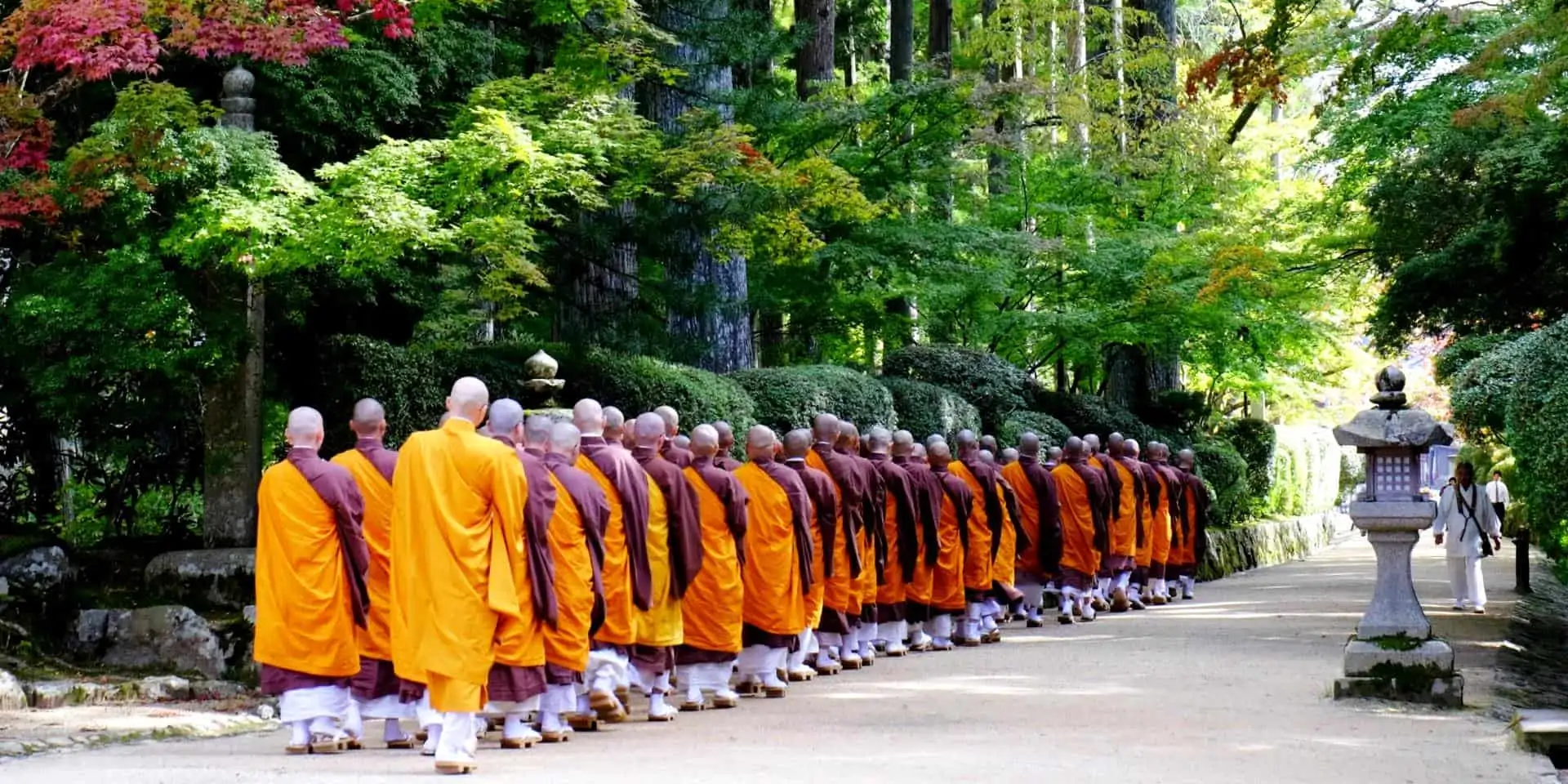
Excursion to Koya-san is an unusual journey into the past and acquaintance with the ancient Buddhist culture, as well as the life and customs of Japanese monks. Tourists don’t come here very often, this place is quiet and secluded.
Mount Koya-san is the center of the most important Shingon Buddhist school, founded in 805. It was founded by one of Japan’s most important religious figures, Kobo Daishi (also known as Monk Kukai). A small, secluded temple town then grew up around the school’s “headquarters,” built on the wooded summit of Mount Koya-san.
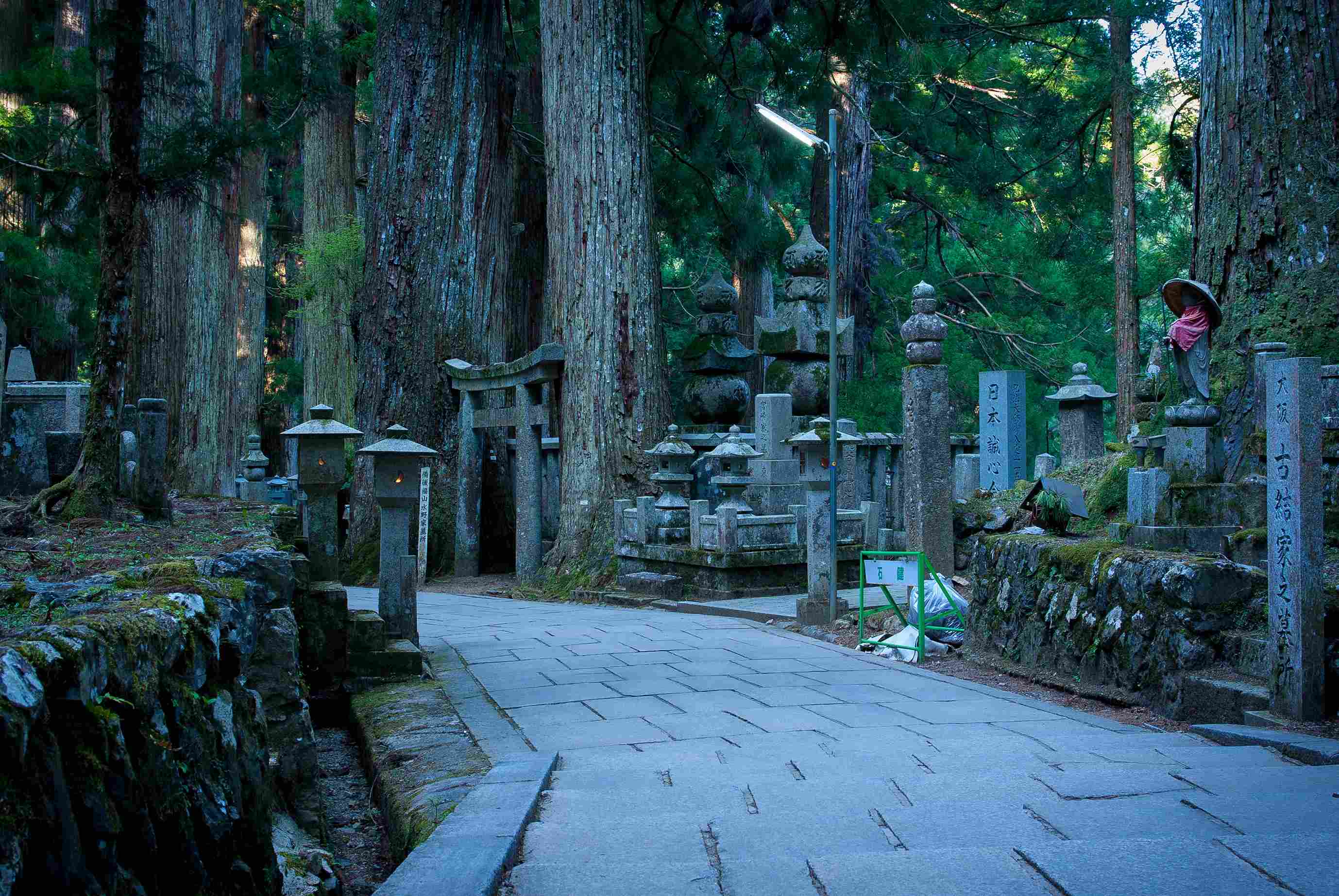
The first introduction to the mountain begins with a visit to the main temple of Oku-no-in. Kobo Daishi is buried in this sacred temple. However, it is believed that the monk is not dead but in a state of “eternal meditation”. In front of the temple entrance there is a stone of Bodhisattva Maitreya, the Buddha of the Future, which is believed to give good luck and strength to those who touch it. More than two hundred thousand tombs stretching for more than two kilometers along the road leading to the temple is the largest cemetery in Japan. Along the road grow cedars that are thousands of years old.
Climbing up Mount Koya, you can see the unique Garan temple complex. Kobo Daishi spent many years searching for a suitable site for the school, and so in 826 he began construction on Mount Koya. Since then, over a hundred temples and monasteries have sprung up on the streets of the tiny town. Visit the temple complex of Danjo Garan, founded by Kukai himself. There are numerous meditation and prayer halls, as well as the famous Konpon Daito Pagoda , the symbol of Mount Koya.

We will visit the Koyasan Reihokan Museum, which houses a unique collection of ancient manuscripts, Buddhist statues, relics and paintings related to the history of the mountain.
![Collection Introduction | [Official] Koyasan Reihokan Museum](https://reihokan.or.jp/files/libs/1613/202504171431088411.jpg?1744867868)
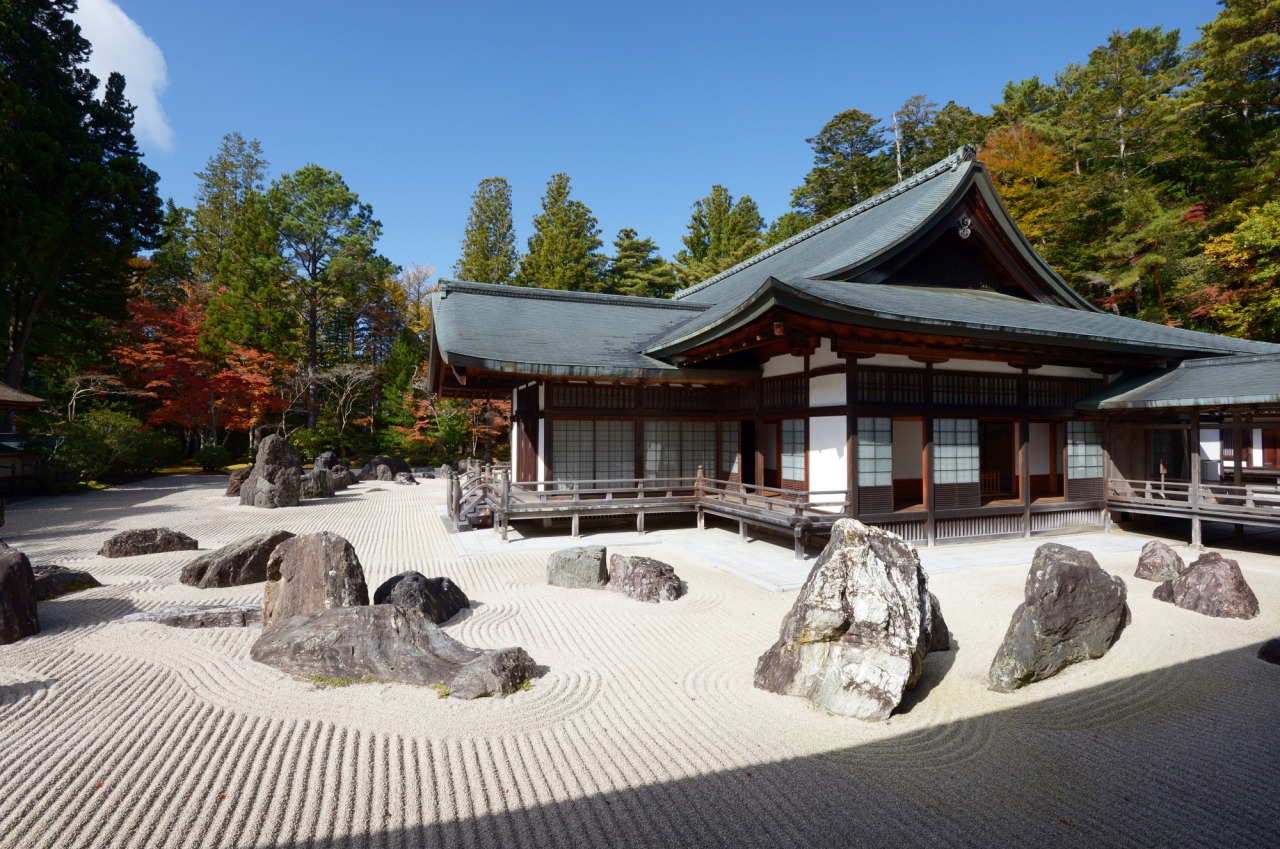
Then walk around the grounds of Kongobu-ji Temple, the main monastery of the Shingon school in Japan. Its inner halls are decorated with exquisite paintings and the courtyard is home to one of the largest rock gardens in the country.
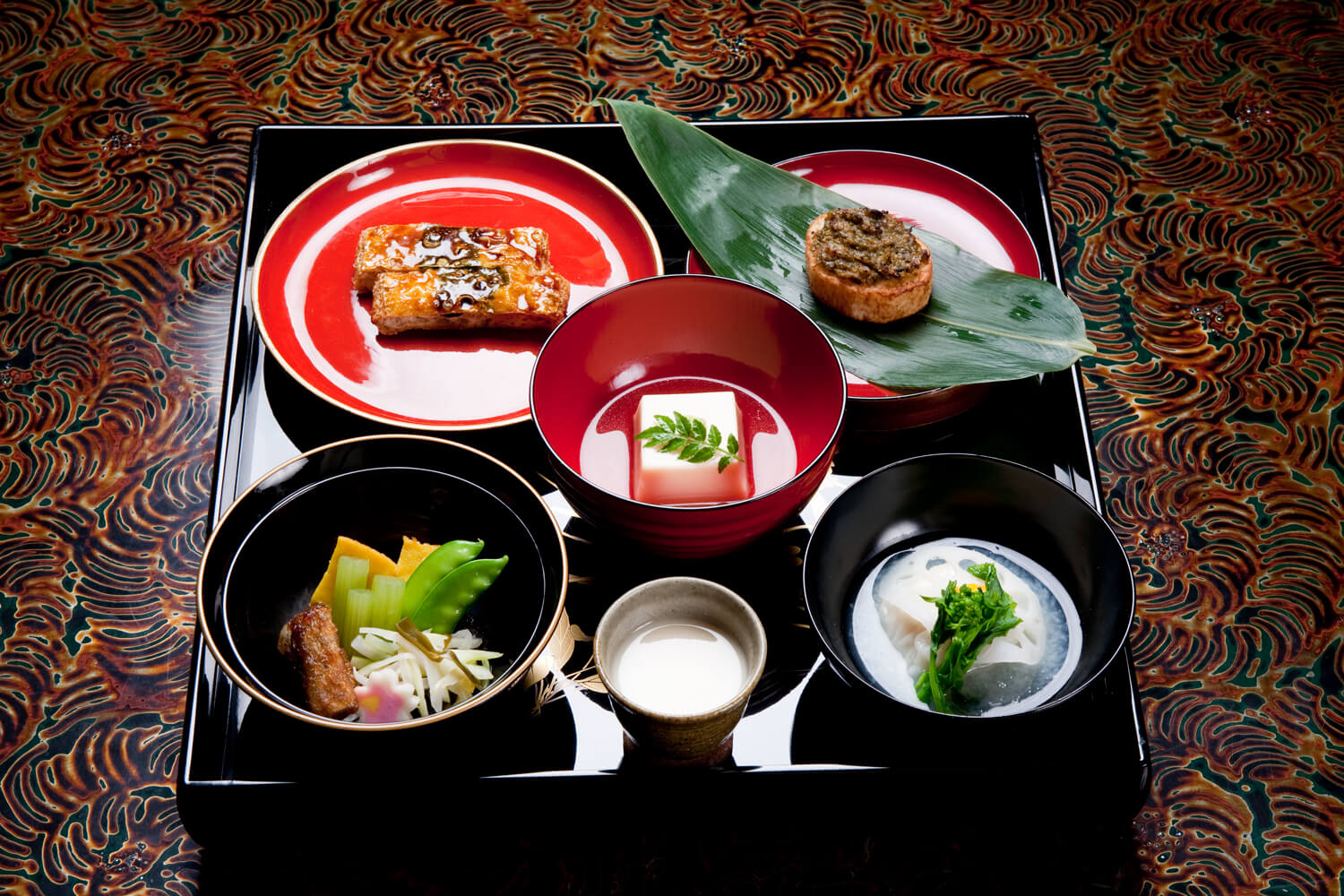
Accommodation at an ascetic temple hotel at the foot of the mountain. Guests will enjoy an evening service, meditation and the opportunity to sample an ascetic shojin-ryori dinner, a vegetarian meal prepared according to Buddhist canons.

Day 8
March 8, 2026, Sunday.
Mount Koya – Nara.
Early morning participation in the morning service in the temple is an opportunity to touch the rhythm of monastic life, filled with silence, sounds of mantras and aroma of incense. After the service – traditional breakfast and check-out.

Afterward, we leave for Nara, Japan’s first permanent capital, where the history of Buddhism and ancient traditions have been preserved to this day.
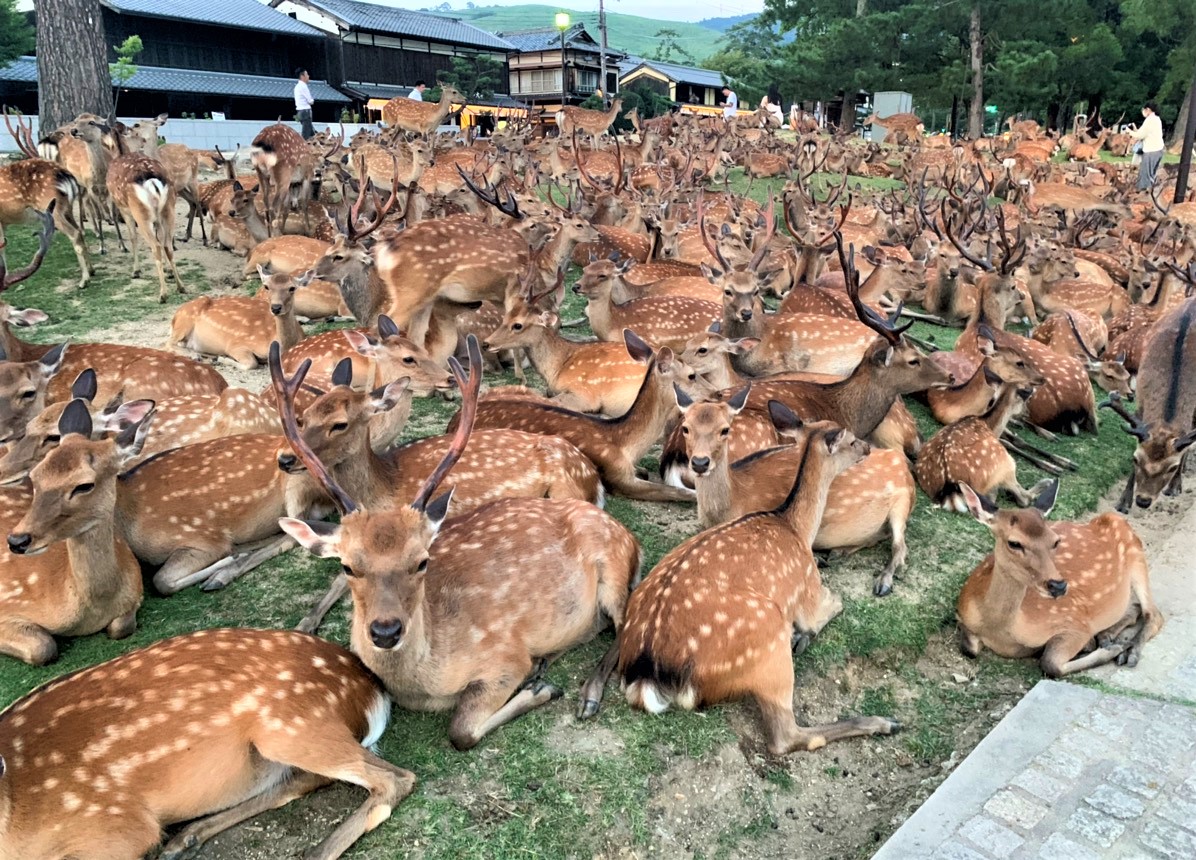
A walk through the spacious Nara Park, where hundreds of tame deer, sacred animals believed to be messengers of the gods, roam freely. These reindeer approach people calmly and, if offered a special treat, bow politely in return.


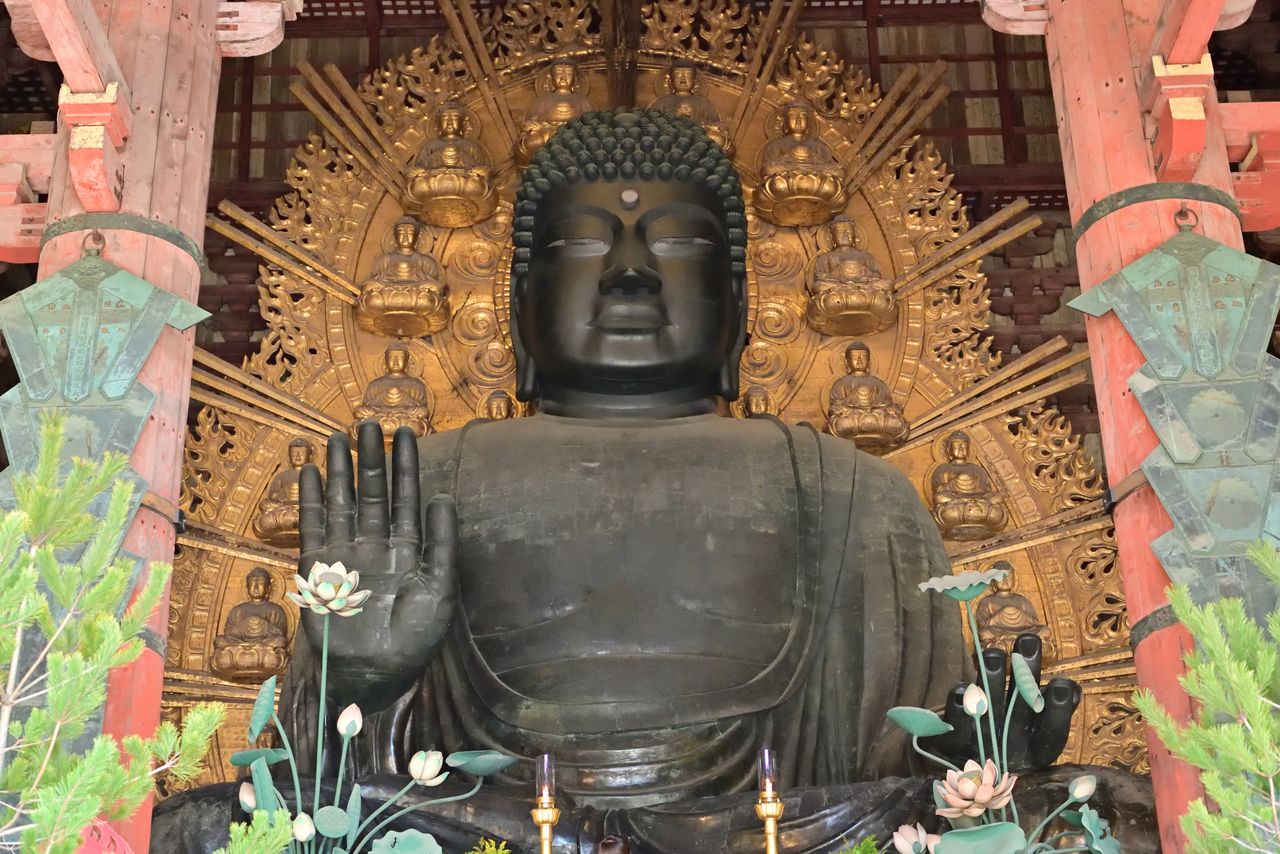
Next is a visit to the majestic Todai-ji Temple, the largest wooden building in the world. Inside is a grand bronze statue of the Great Buddha, one of the most revered images in Japan.
Then a tour of the Nigatsu-do Pavilion, located on a hill overlooking Nara. This temple complex, listed as a national treasure, is known for its ancient water purification ritual and special energy.
After the program, transfer to Kyoto station and transfer by high-speed shinkansen train to Tokyo.
Transfer to the hotel.
The evening is free for relaxing or strolling around evening Tokyo.
Day 9
March 9, 2026, Monday.
Free time in Tokyo. Transfer to the airport. Flight home.
:max_bytes(150000):strip_icc()/tokyo-japan-TOKYOTG0621-52012ff551dc46c4a87ac8e3151307a4.jpg)
.