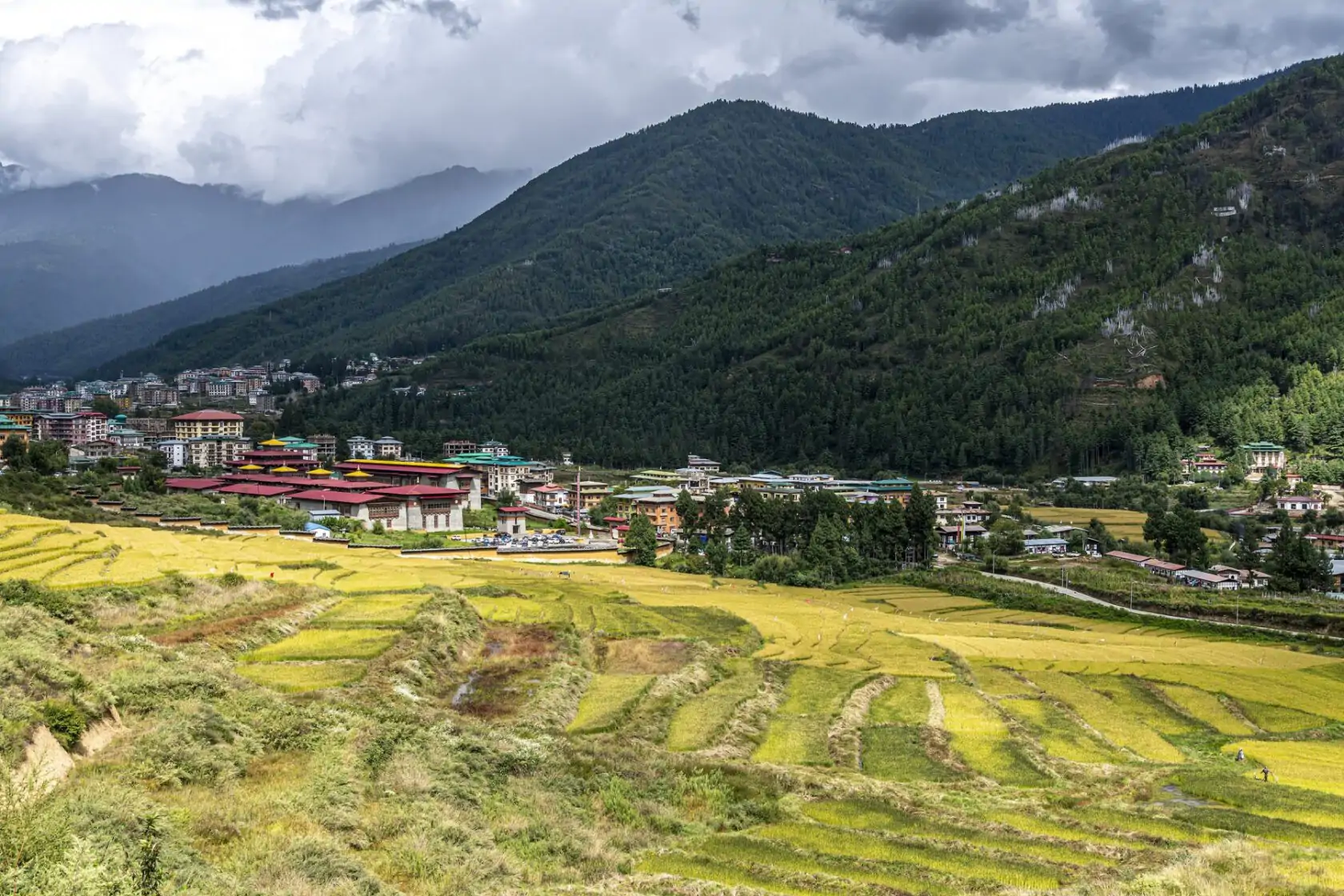
Day1. April 29, 2024, Monday. Kathmandu (Nepal). Bouda Stupas.
Arrival in Kathmandu, accommodation in the hotel.
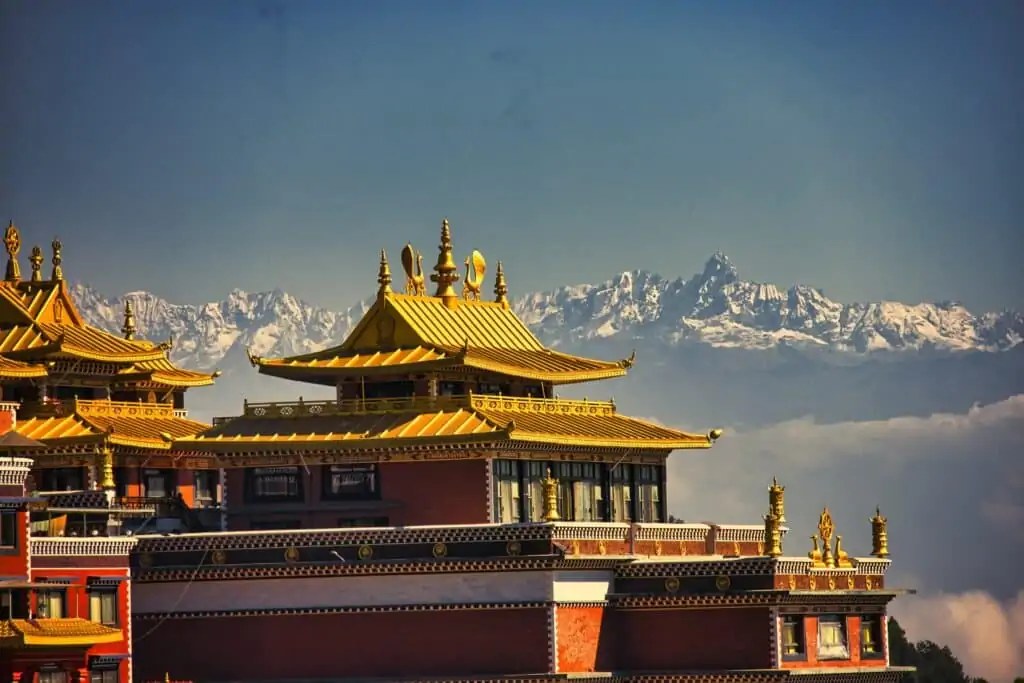
After a short rest we will visit the famous Boudha Stupa. Stupa bypass. It is surrounded by many monasteries of Tibetan Buddhism, whose gilded roofs can be seen from the dome of the stupa.
You will be mesmerized by the Tibetan stalls, here you can buy art objects, Tibetan singing bowls. Have a cup of coffee on one of the café terraces overlooking the Stupa.
Return to the hotel.
Overnight at the hotel.

Day 2. April 30, 2024, Tuesday. Kathmandu – Patan – Swayambhunath (Nepal).
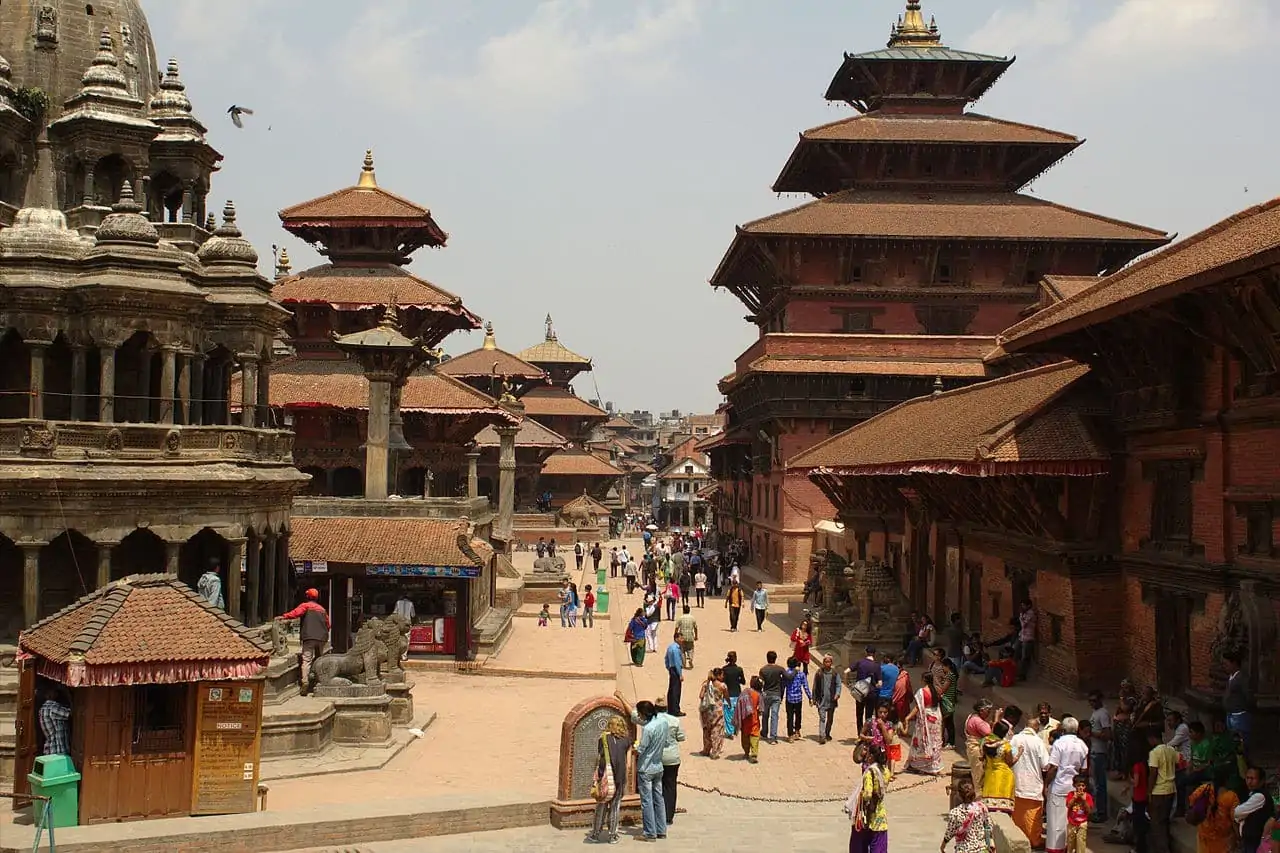
Excursion to Patan, Sanskrit name Lalitpur, located in the southern part of Kathmandu, on the banks of the Baghmati River. One of the oldest cities in Nepal, founded in the 3rd century BC. Today it is a center of art and culture, a city of Masters and artisans.
Here we will visit the most important Buddhist sites. Golden Temple, Bodhi Temple (a miniature of the famous Temple and Stupa at Bodhgaya, the site of Buddha’s enlightenment), Tara Temple. Also, we will take you to sacred places that are hidden among the residential areas and are not known to tourists.
Lunch in a traditional Nevar restaurant.
After that we will go to the Swayambhunath Stupa – the most ancient, according to legend, self-built St upa of Kathmandu Valley. Legend has it that the Swayambhunath stupa is over 2000 years old. There are several Tibetan monasteries of different schools and orientations around the stupa.
Return to the hotel.

Day 3. May 1, 2024, Wednesday. Kathmandu – Parping (Nepal).
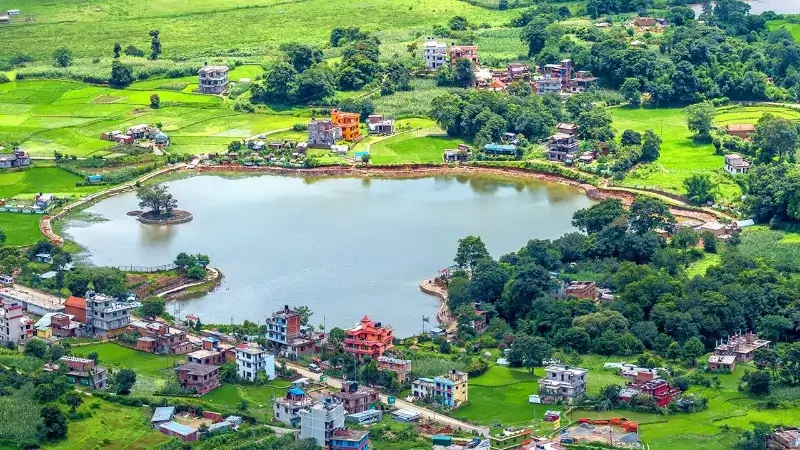
A walk around the Tawda Lake, where the history of Kathmandu Valley began.
Parping is an important pilgrimage site for Buddhists. Here we will visit the cave where Tara self-proclaimed. Nearby, inside the mountain, is the Asura Cave where Padmasambhava (Guru Rinpoche) meditated on his way from India to Tibet and subdued the demonic forces threatening the people of Nepal. Many yogis, monks come here knowing the immense power of blessing of this place. The Vajrayogini (Red Tara) temple is also located here.
Return to the hotel.
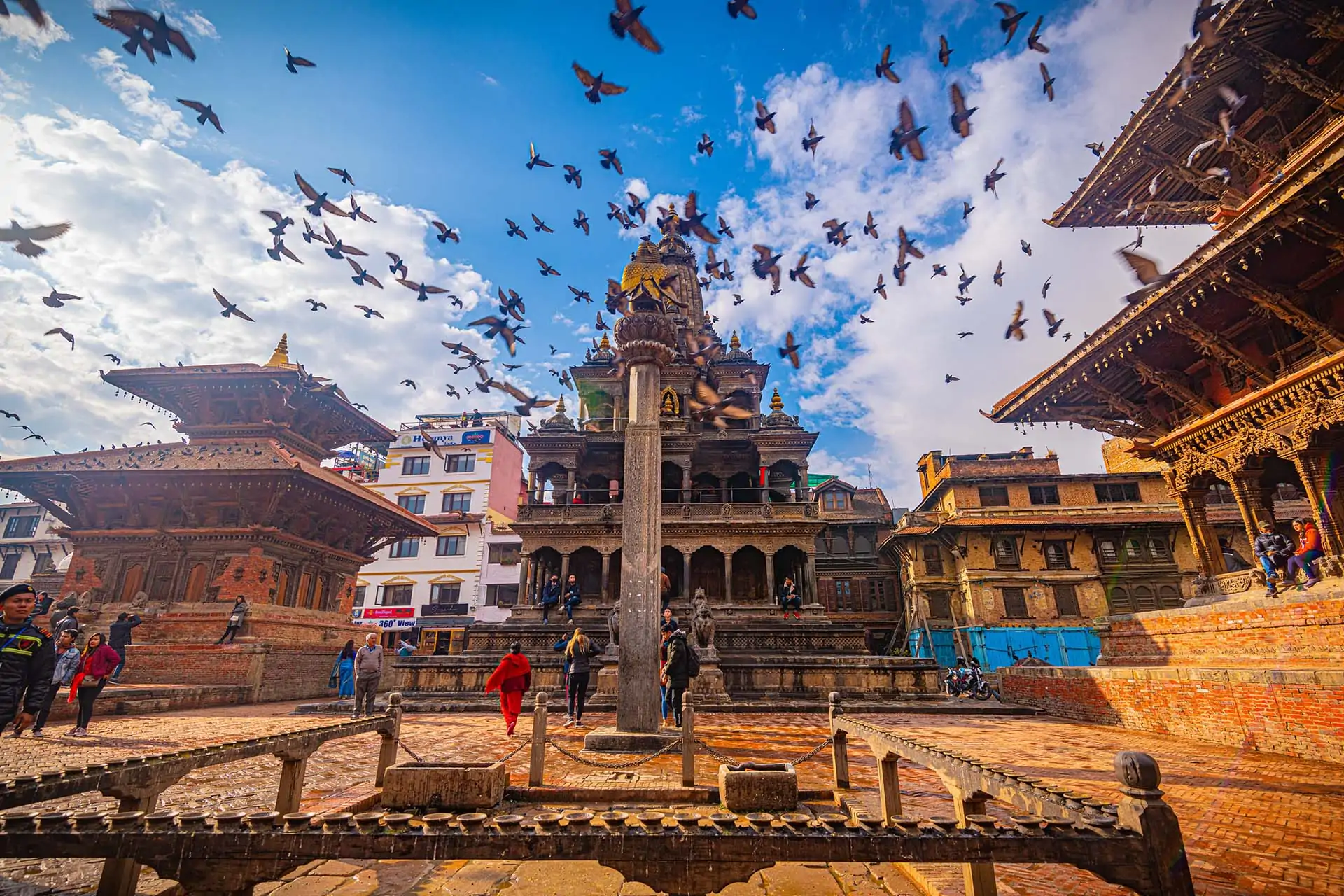
Day 4. May 2, 2024, Thursday. Flight to Paro. Transfer to Thimphu (Bhutan).
Arrival in Paro.
The city of Paro, lying on the banks of the river of the same name, is spacious and airy thanks to the regular, geometrically correct street structure. Paro’s central square has a stage where concerts and other events are regularly held. A large prayer wheel has been installed nearby, which is constantly in motion thanks to the efforts of Buddhists.
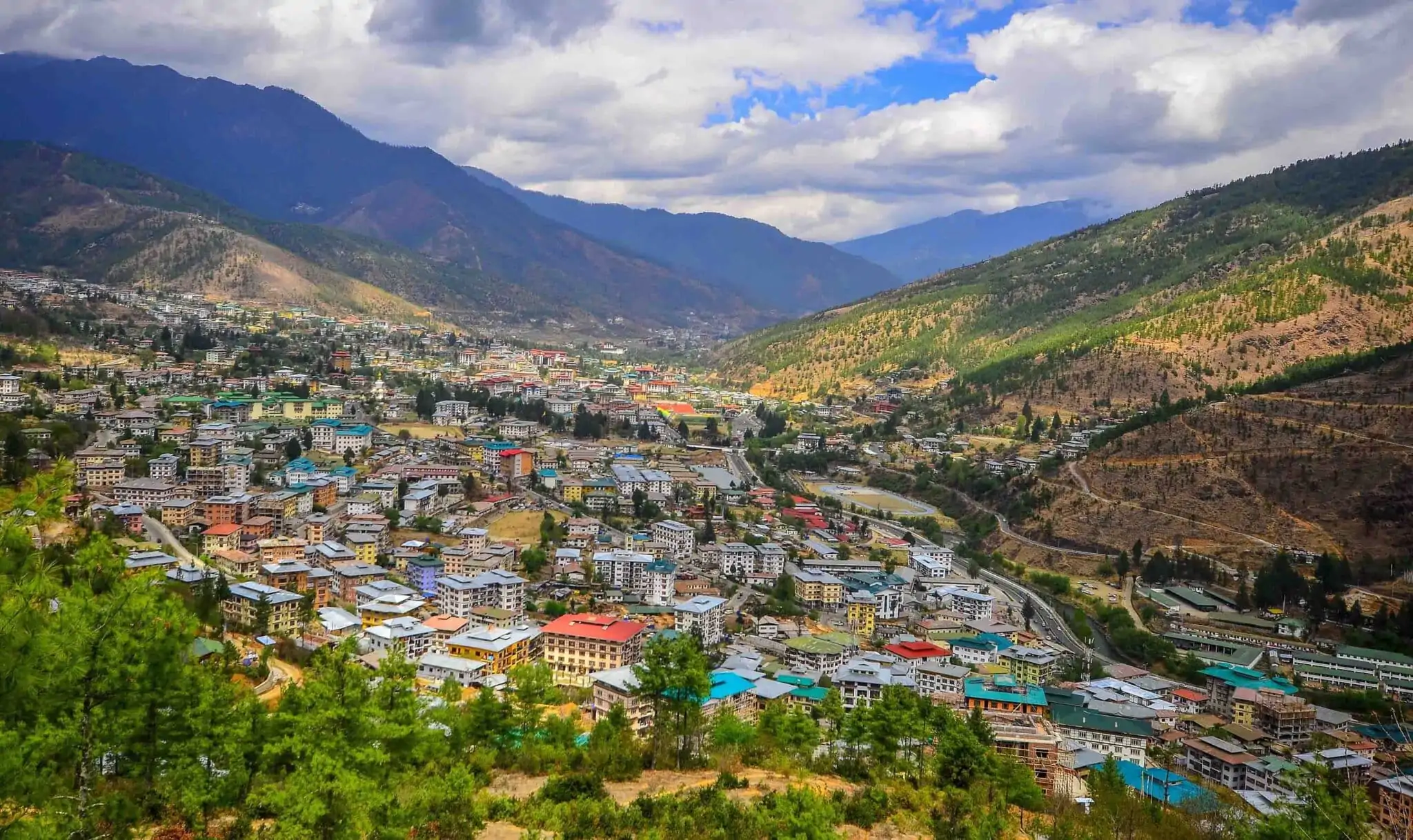
The transfer to Thimphu town will take 1 hour. Accommodation, a short rest at the hotel and out for a walk around the capital. Thimphu is a small town. About 100,000 people live here. It is here that the residence of the royal family is located.
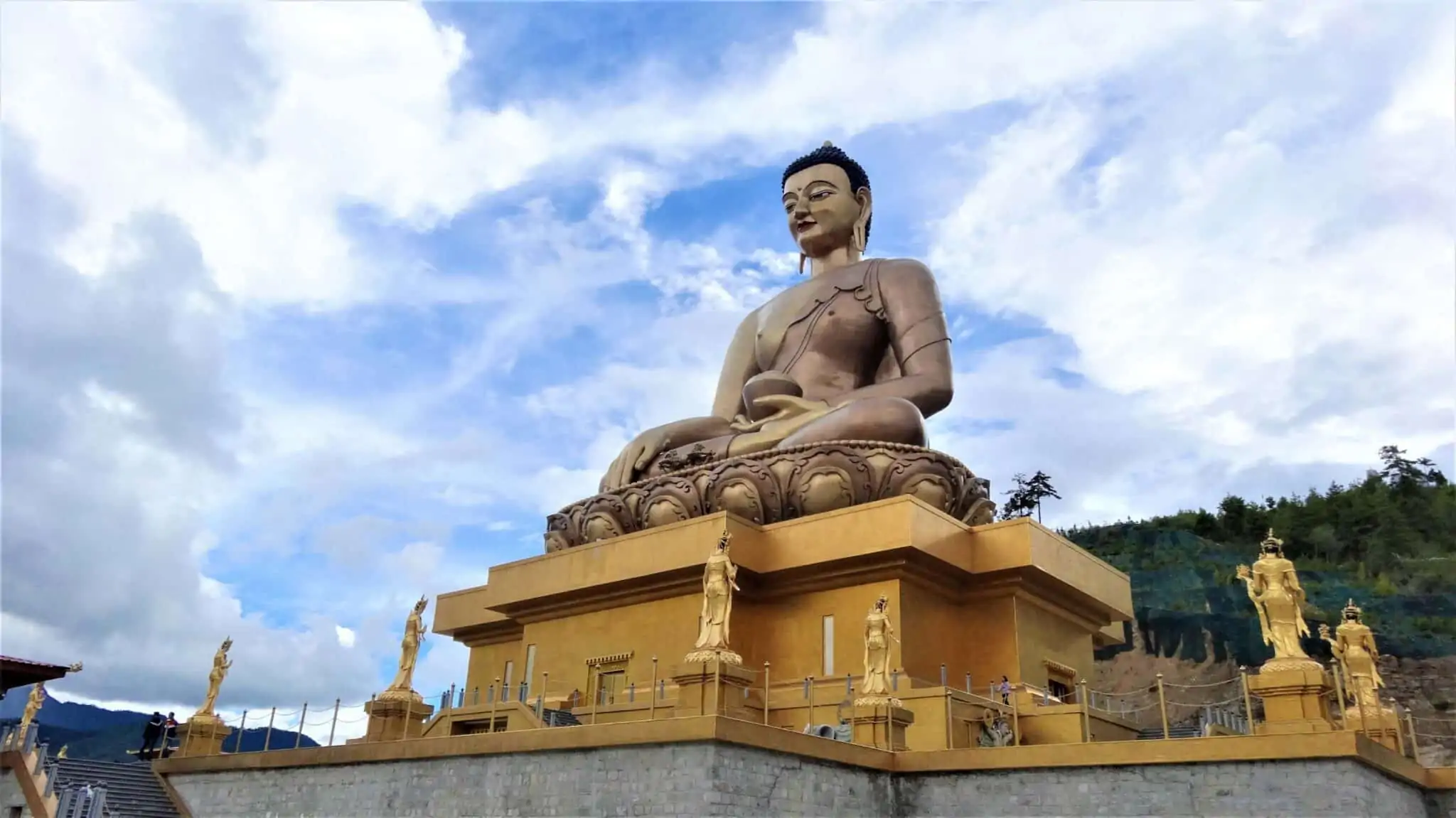
Today we will climb up to Asia’s tallest Buddha statue, Kunzang Phodrang, which offers a magnificent view of Thimphu. It commemorates the 60th anniversary of the fourth king Jigme Singye Wangchuk. The statue contains more than a hundred thousand smaller Buddha statues, each of which, as the main statue, is made of bronze and covered with gold.
At sunset, we join people heading to the Memorial Stupa, built in 1974 in honor of the third King, by his mother. Together with the locals, you can do a Kora (circumambulation) around the stupa and recite mantras.
Return to the hotel, dinner, rest.
Dinner at the hotel.
Day 5. May 3, 2024, Friday. Thimphu (Bhutan).
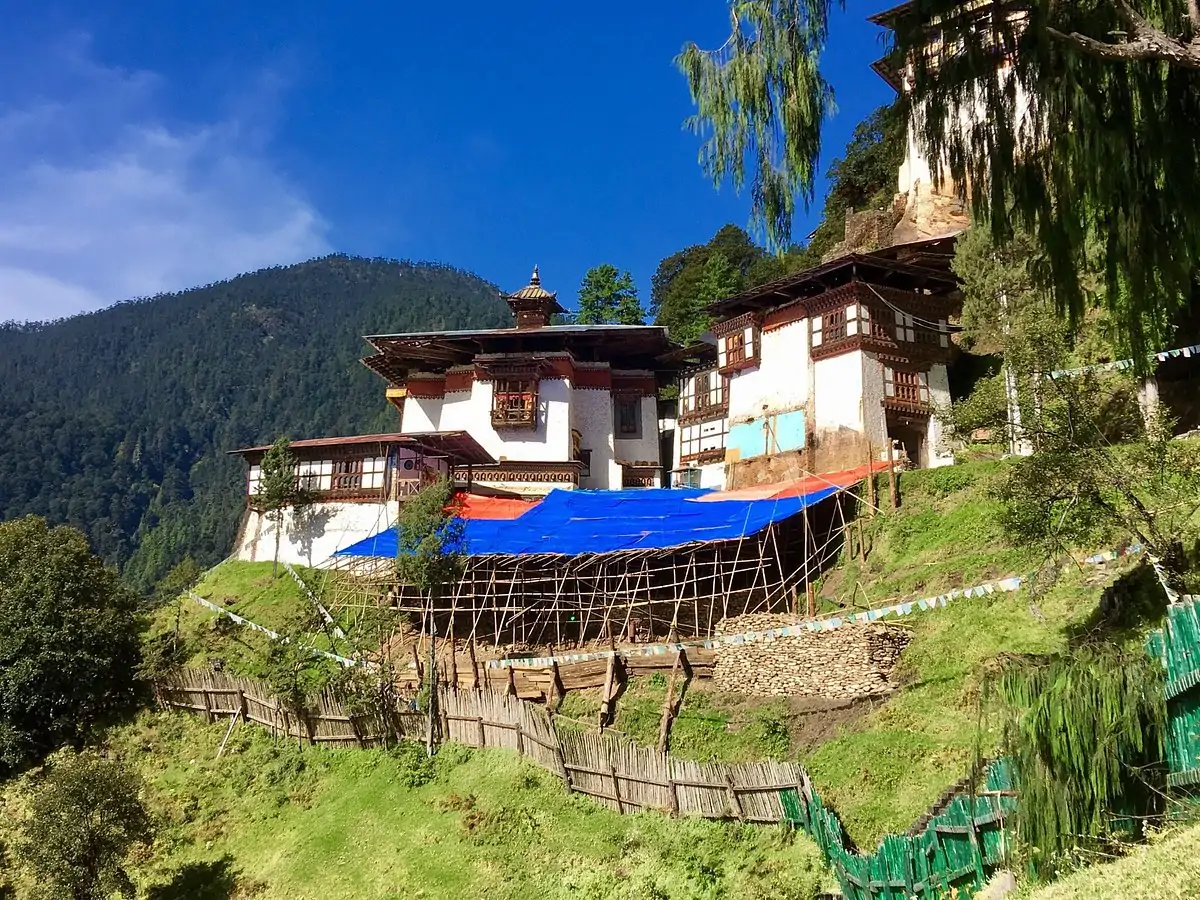
In the morning we will head to Chagri-gompa. This monastery is located in the north of the Thimphu valley, half an hour’s drive from the city. It was founded in the 17th century by Shabdrung Ngawang Namgyal and is known for its retreat center. The main shrine of the monastery is an impressive statue of Shakyamuni Buddha.
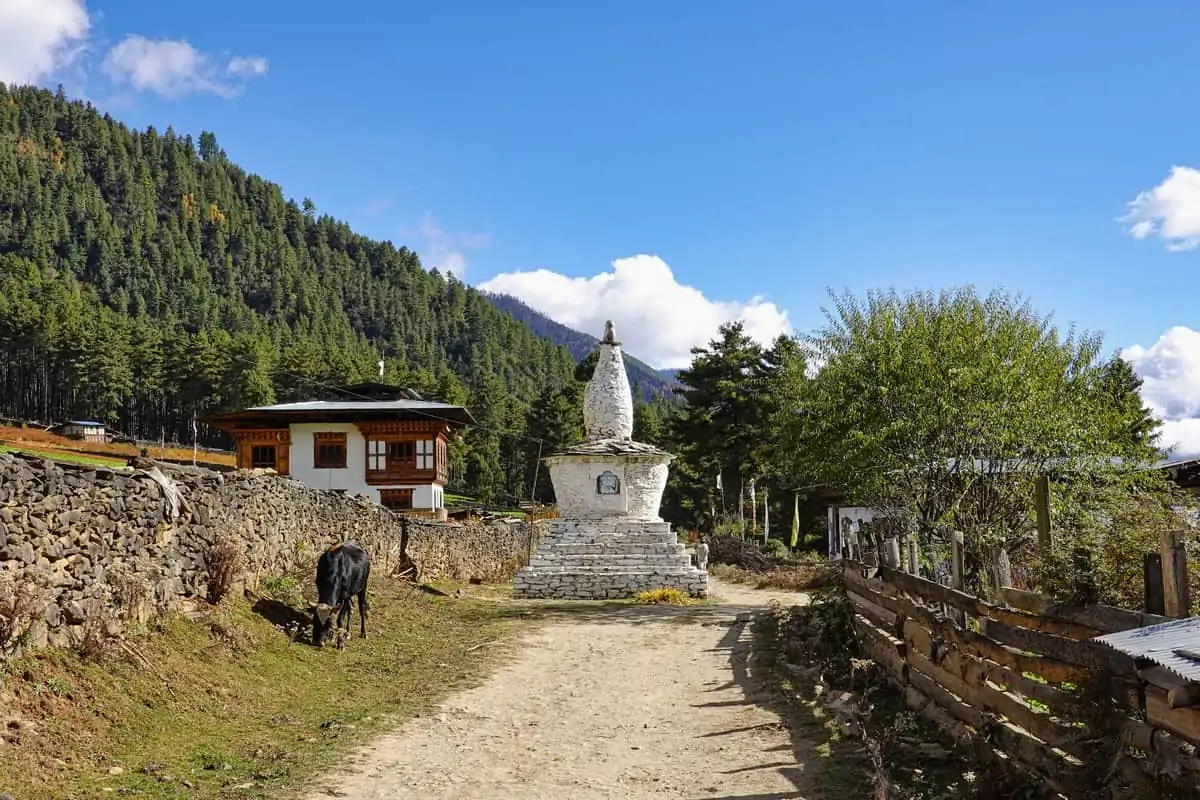
A separate adventure is the hike to the monastery. Our journey will begin with a spectacular river crossing on a suspension bridge. The path we will follow has been traveled by thousands of pilgrims: it climbs gently uphill amidst a beautiful mixed forest. In the middle of the climb you will see a chorten (stupa), next to which you can rest under a canopy from the sun.
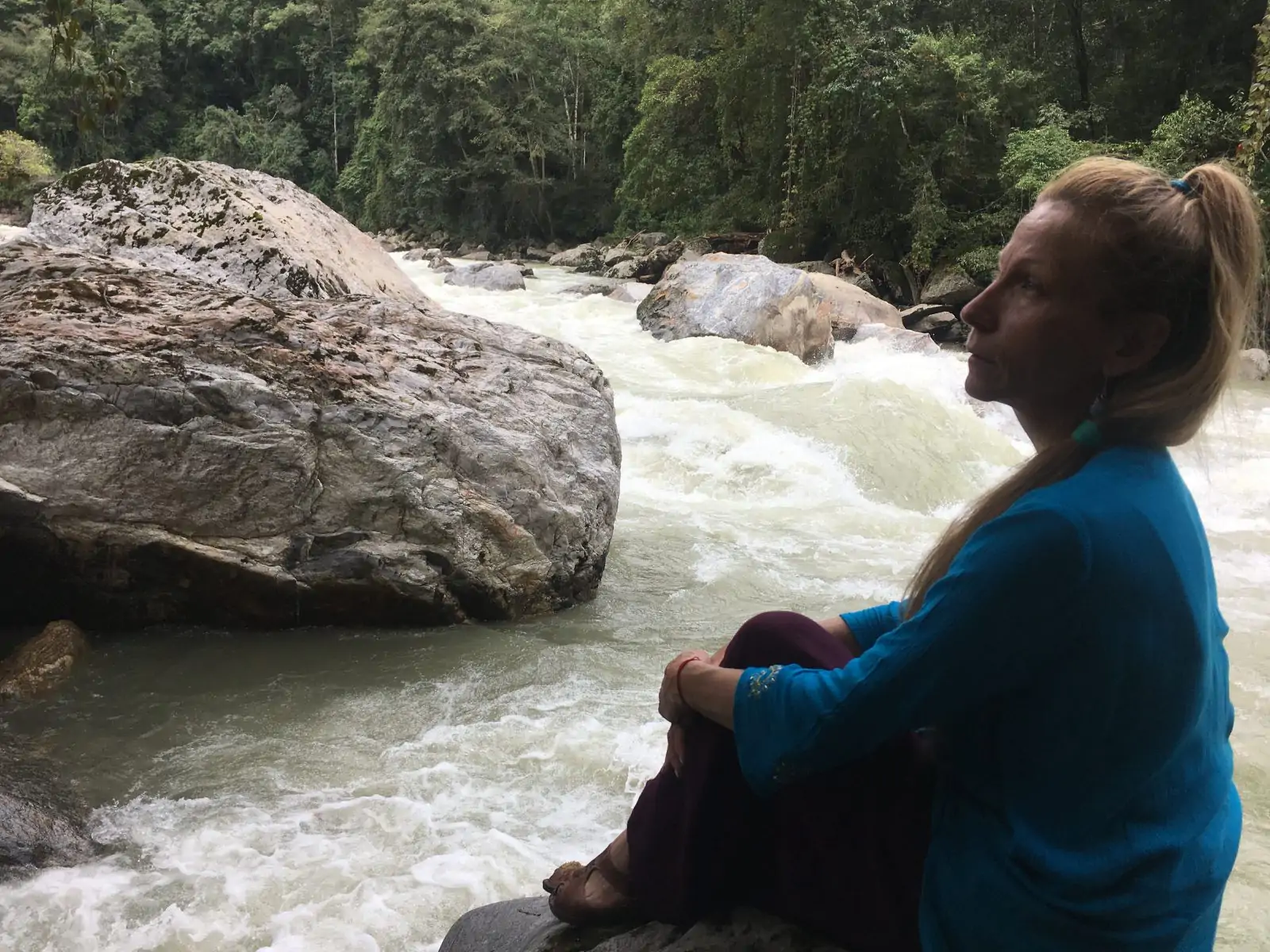
On the way back you will have a picnic on the banks of a glacial river.
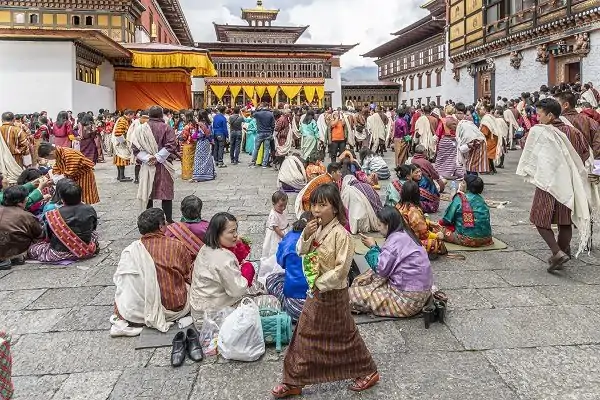
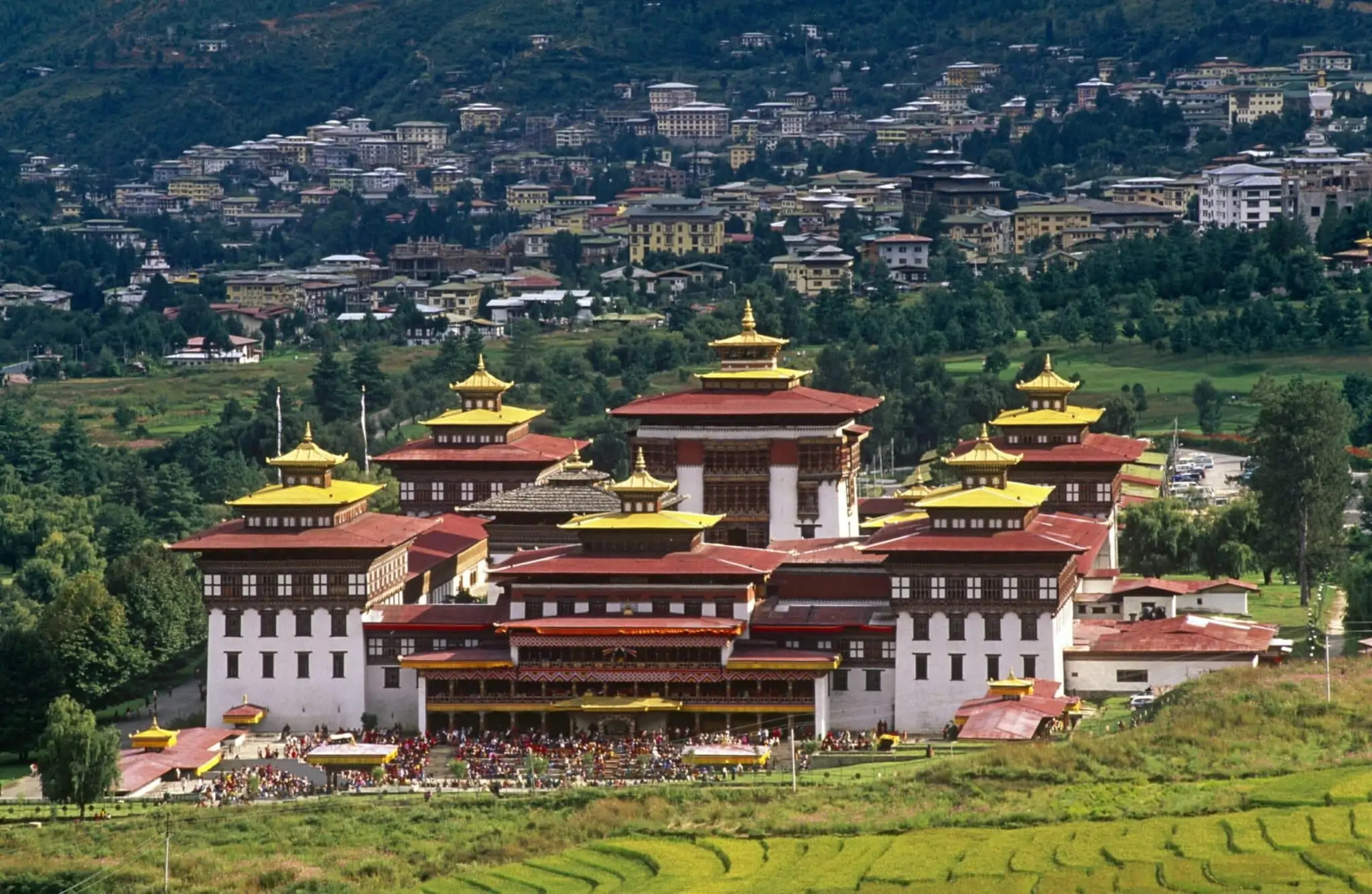
In the evening, we will visit Tashicho-dzong, the city’s main monastery and royal secretariat. Tashicho Dzong is picturesquely located near Thimphu town on the banks of the Wang Chu River. It is an imposing, massive and very photogenic structure surrounded by neat lawns and idyllic gardens.
Dinner at the hotel.
Day 6. May 4, 2024, Saturday. Thimphu – Punakha (Bhutan).
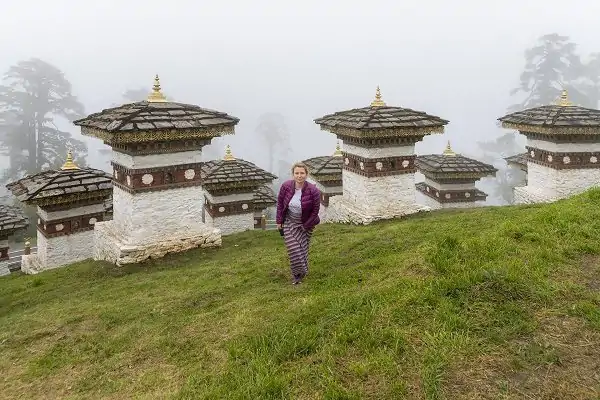
After breakfast, we will proceed to Punakha valley. On the way, we will pass through Dochu-La Pass, which is 3080 meters high. If you are lucky with the weather, you will see the chain of the highest Himalayan peaks. On the pass there is a complex of one large and one hundred and eighty small stupas, as well as a monastery. We will stop to enjoy the beautiful views and take pictures.
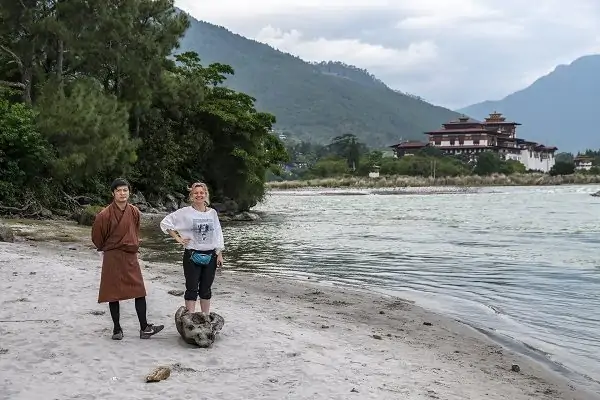
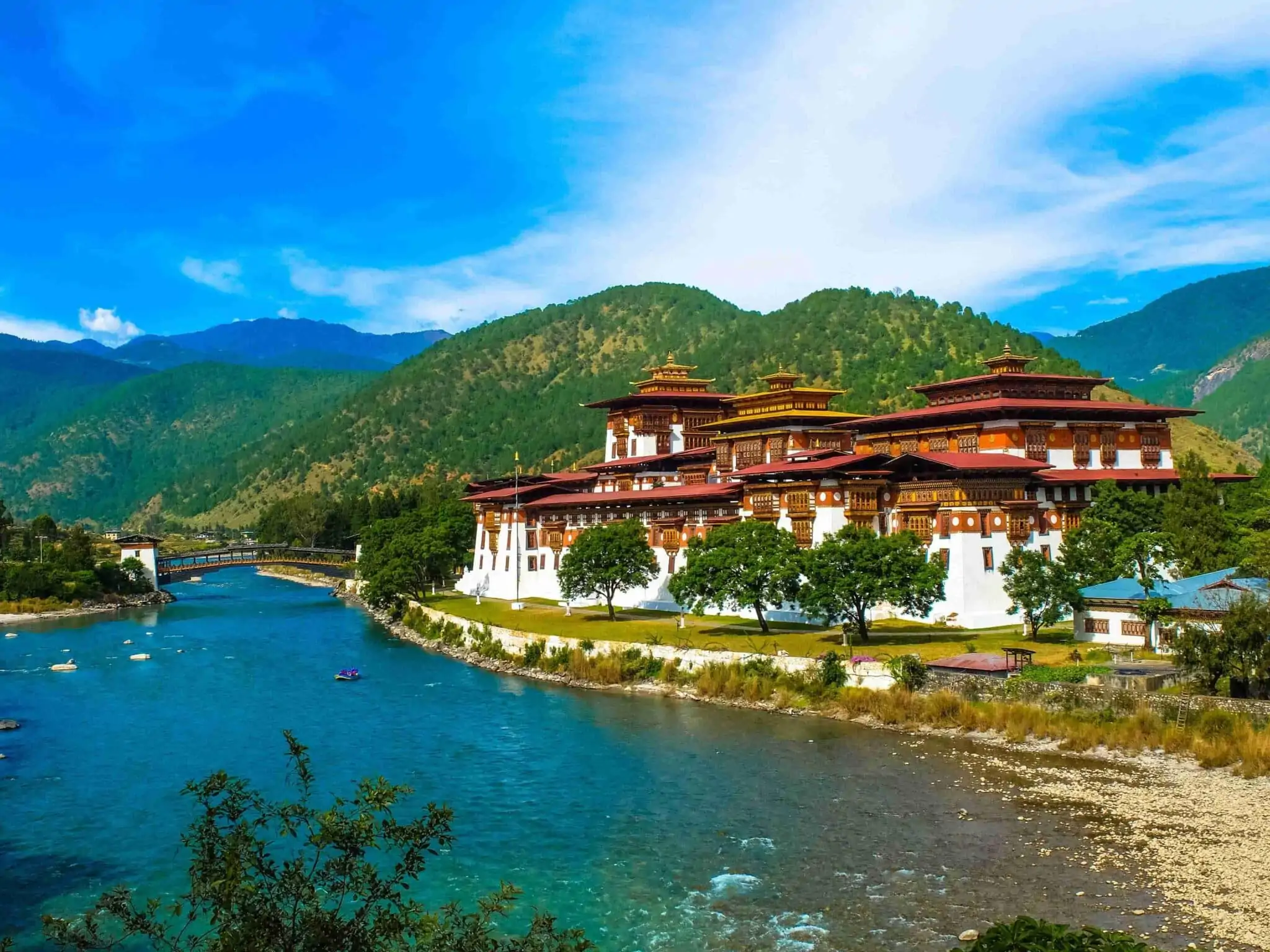
We will visit the famous Punakha dzong. It is a very picturesque place, especially on clear days, when the sun, reflecting off the water surface, illuminates the whitewashed walls of the ancient monastery. Punakha dzong was built in 1637 thanks to Ngawang Namgyal Shabdrung. Punakha was the capital of the kingdom until 1955, and is now the winter residence of the country’s supreme clergy.
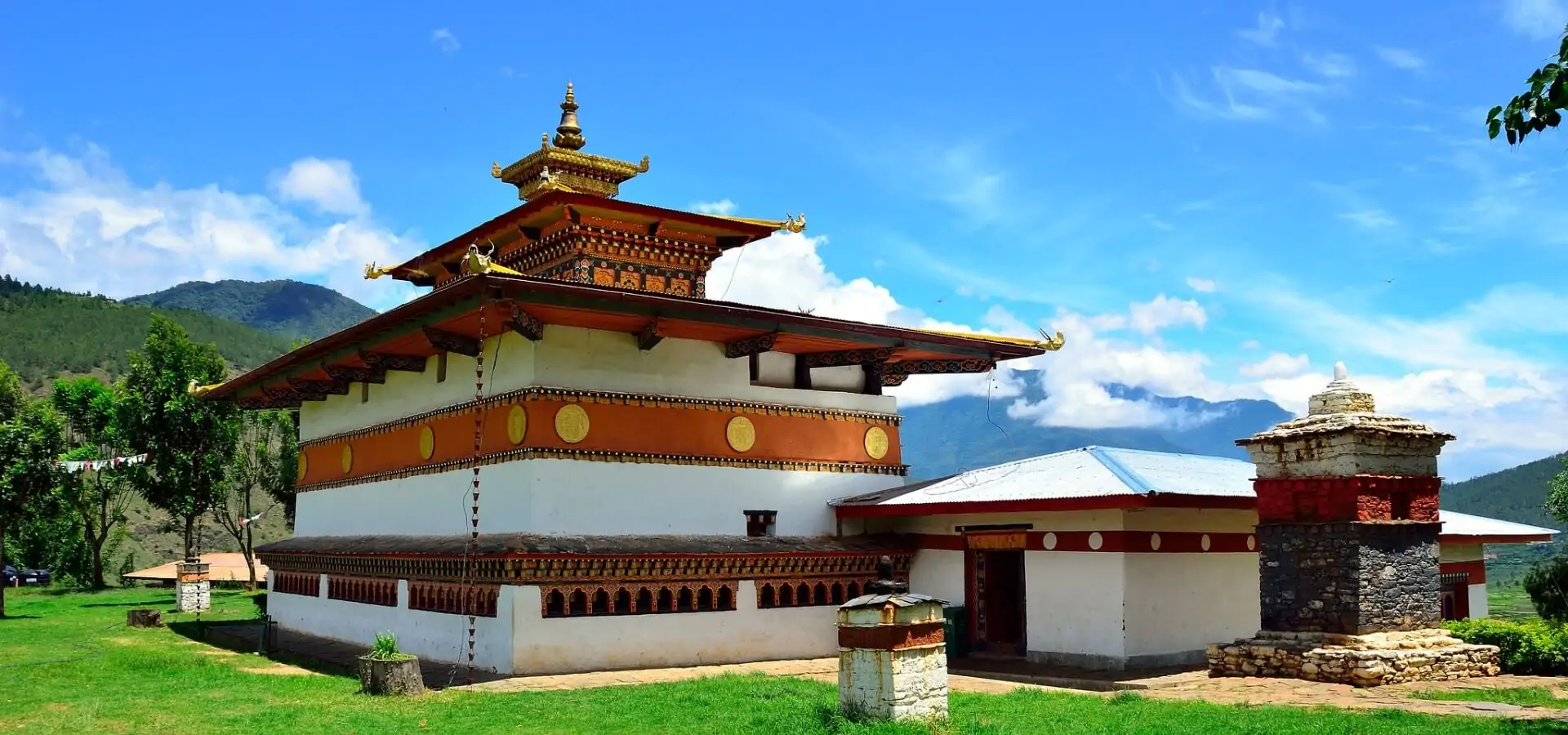
Also today we will visit Chimi Lhakhang. This monastery is built in honor of Drukpa Kyunle, who is also known as the Divine Fool. Chimi-lhakang is believed to have miraculous powers – curing infertility. Many childless couples come to Chimi for a blessing.
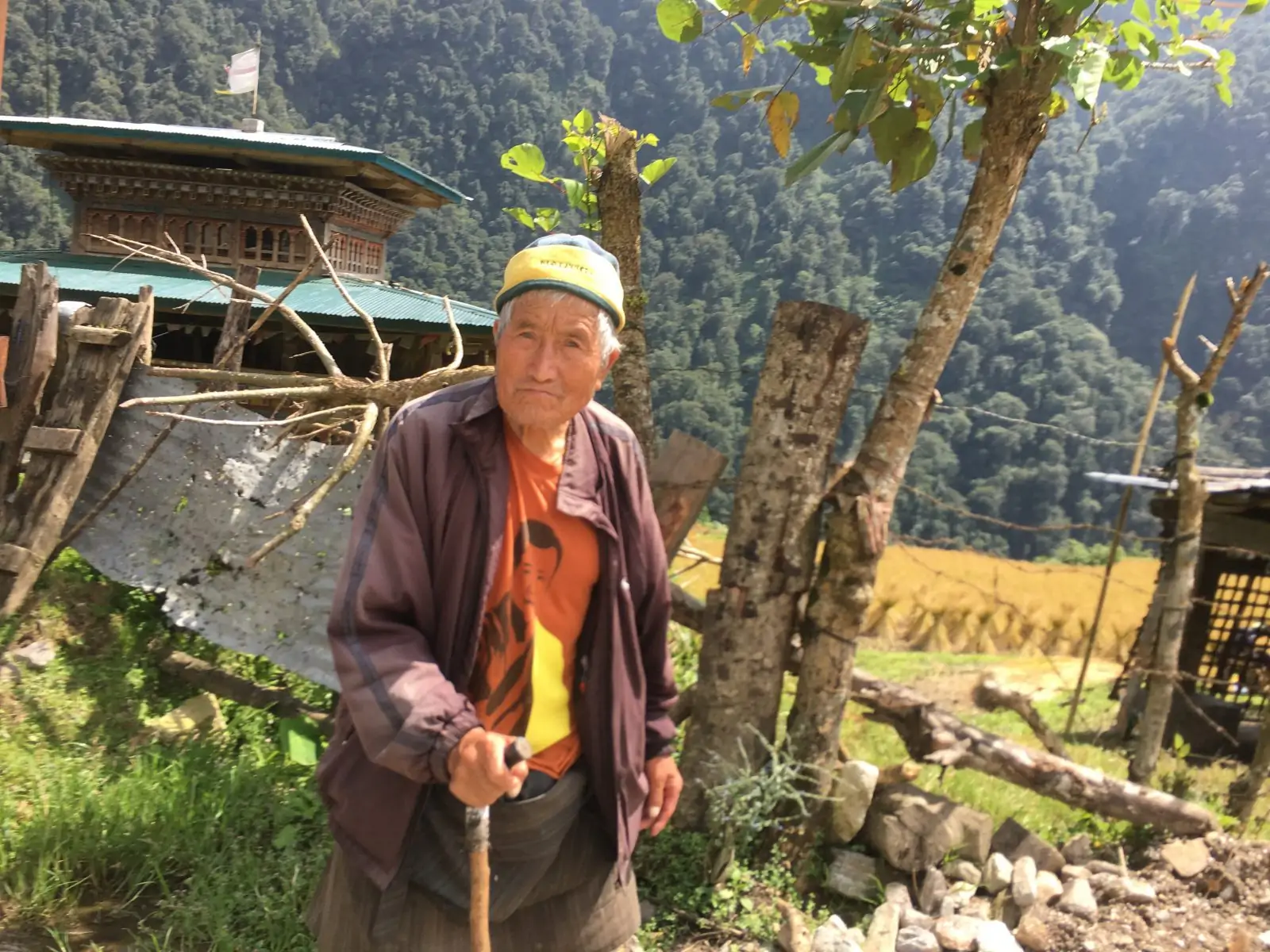
We’re going to the farmhouse for lunch. A kind-hearted hostess will show you around the house and farm. Ama Wangmo was born in this house and several generations of her family have grown up here. The main house is about 300 years old and has been added on and changed. There are 5 acres of land surrounding the house, the lot is adjacent to a river with wooden tubs on the bank. It’s a Bhutanese bath. Here you will be able to see the way of rural life. Walk to the river and waterfall, those who wish will be able to take hot stone baths on the river bank.
Dinner at the hotel.
Day 7. May 5, 2024, Sunday. Punakha – Gangtey (Bhutan).
In the morning we will have breakfast served in the front yard. Early departure to Gangtey to spend more time in this marvelous place.
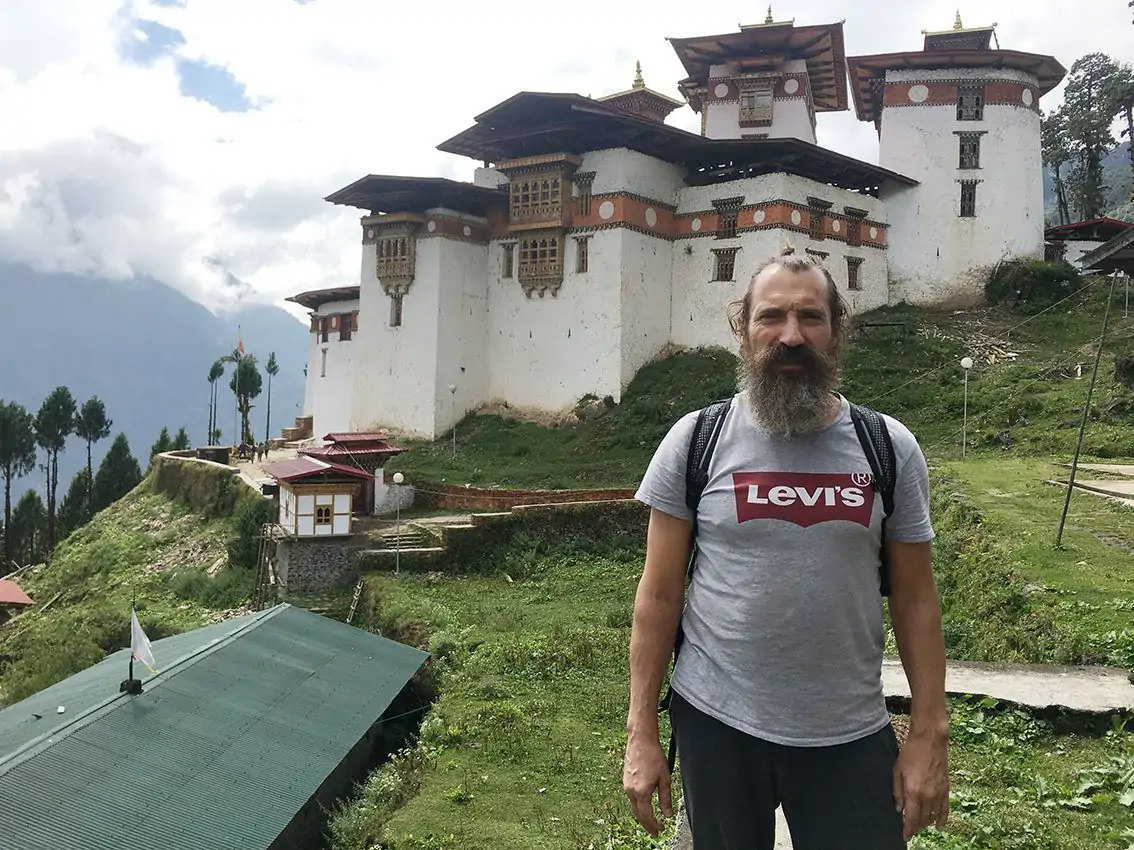
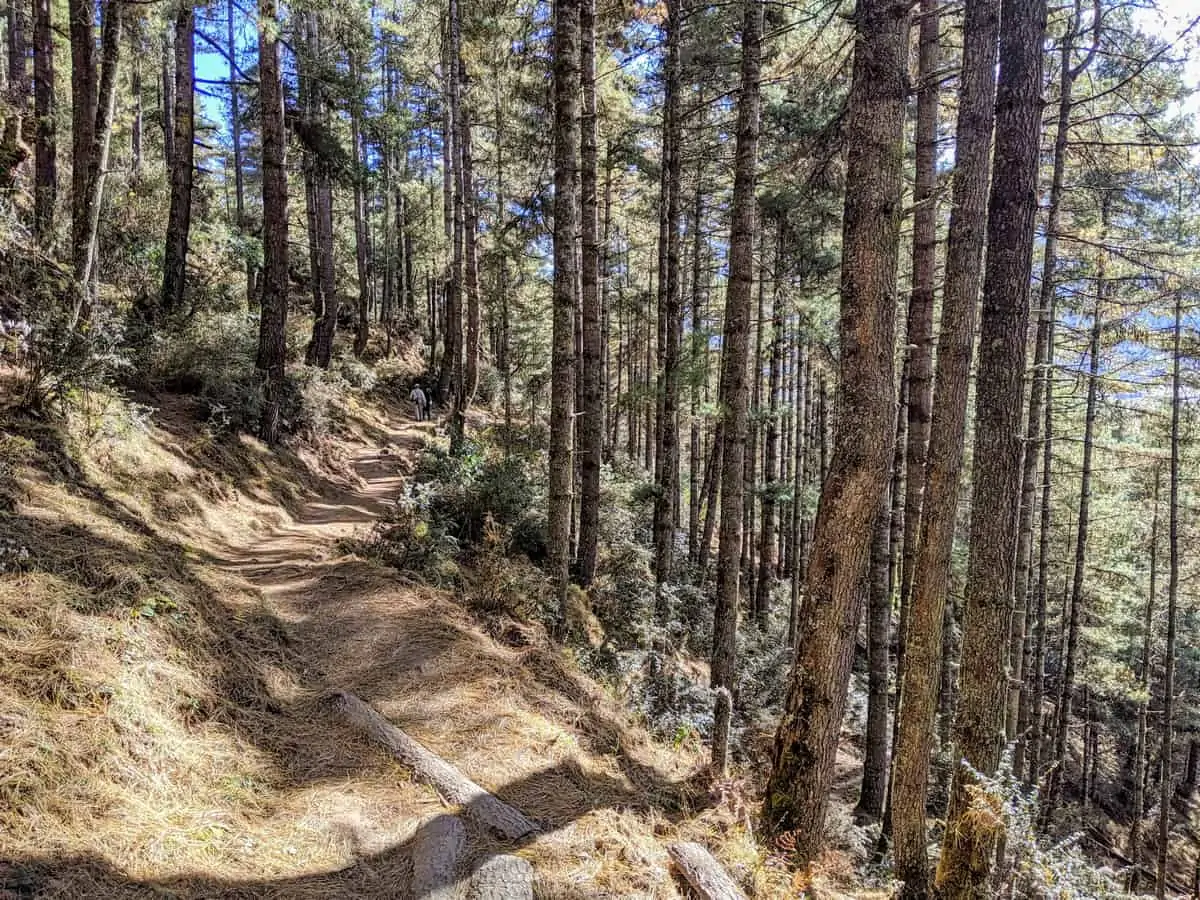
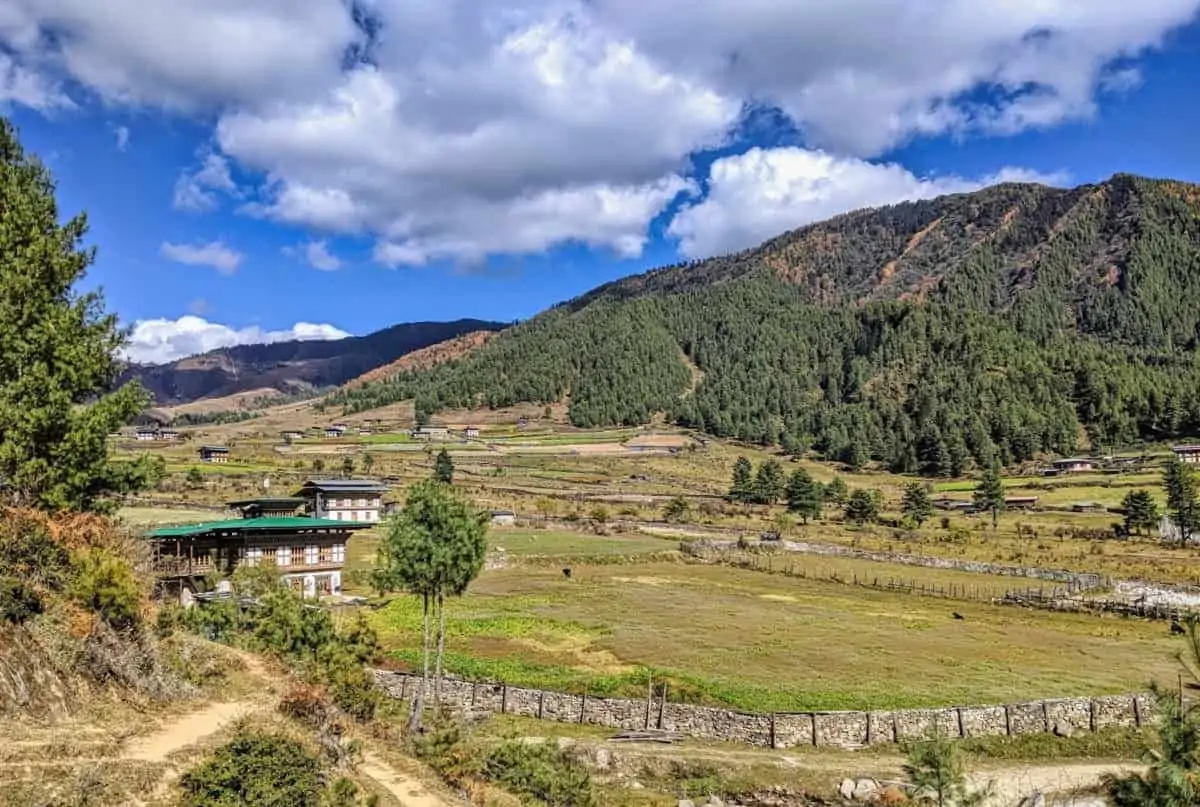
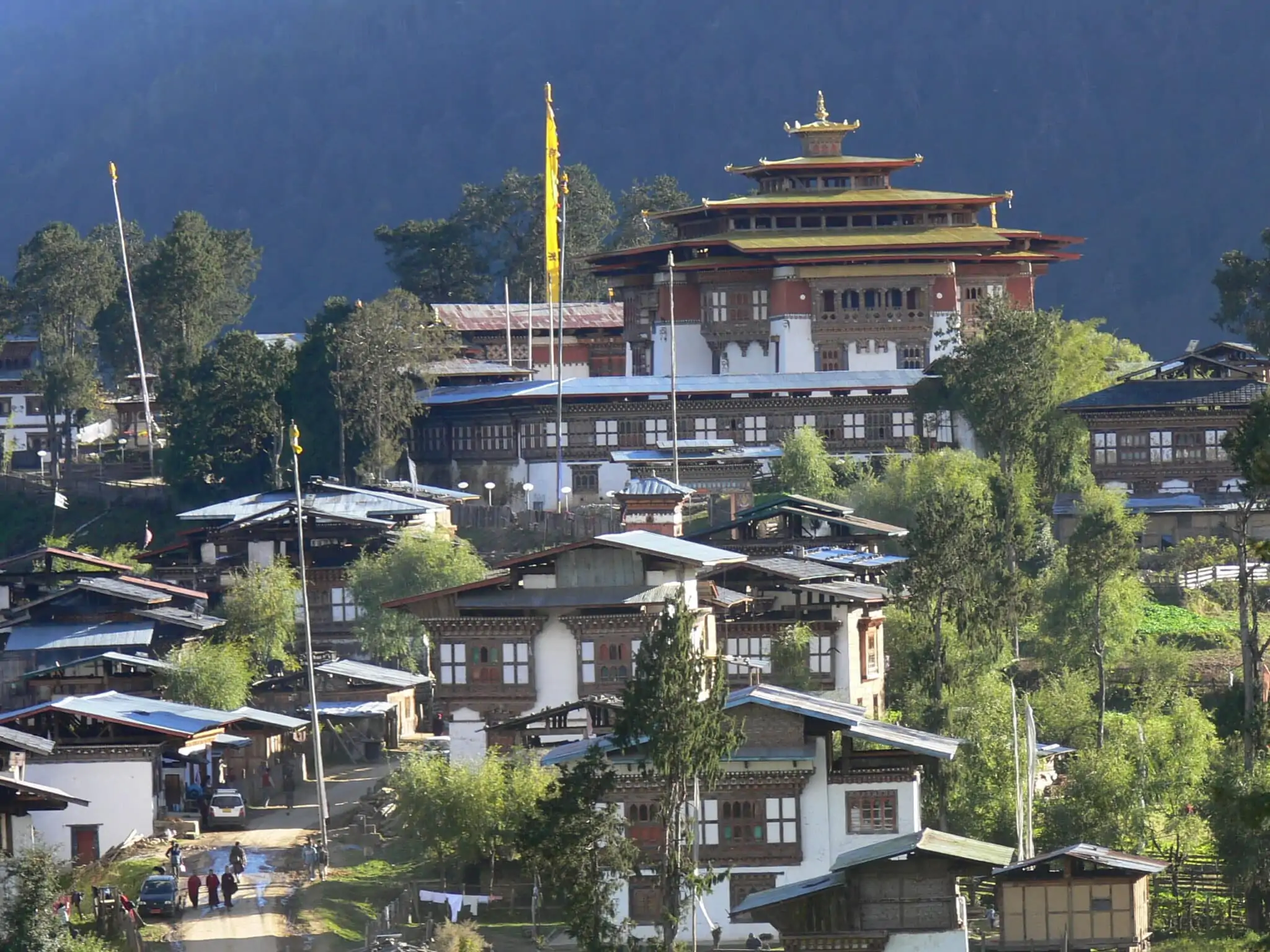
Today we offer you a hike along the “Gangtey Trail”. You will walk along a trail that winds among moss-covered pine trees and see the delightful mountain scenery with your own eyes. If you’re lucky, you’ll see pheasants and even black-necked cranes. We’ll reach Gangtey-gompa. On a small hill in the Phobjikha valley sits Gangtey gompa (Gangtey). It is the largest Nyingma monastery in Bhutan and the only monastery of this school lying west of the Black mountains range. The monastery is surrounded by a large village and is home to 140 gomchens who take care of the monastery as well as their families. We will visit the monastery as well as the village.
In the evening a walk around the village.
Dinner at the hotel.
Day 8. May 6, 2024, Monday. Gangtey – Paro (Bhutan).
Breakfast at the hotel.
Transfer to Paro (approximately 5.5 hours). Accommodation at the hotel, lunch.
After lunch we will descend to Paro and visit Kichhu Lhakang, one of the oldest monasteries in Bhutan. It was founded in the 7th century by the Tibetan king Songtsen Gampo, through whom Buddhism spread in the Himalayas. According to legend, Songtsen Gampo, with the help of Kichu, exorcised a demoness who had settled in the Himalayas and was terrifying people.
Walk around the center, optional souvenir shops.
Dinner at the hotel.

Day 9. May 7, 2024, Tuesday. Paro. Paro Taksang (Bhutan).
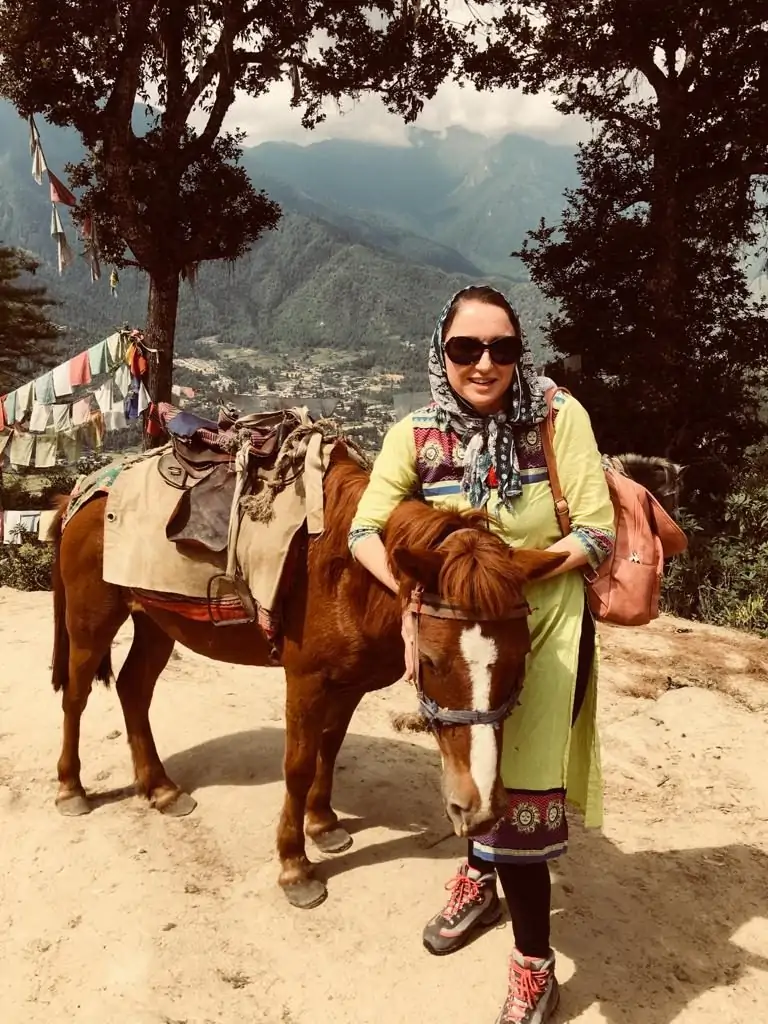
Early check-out from the hotel. Hike to Paro Taktsang.
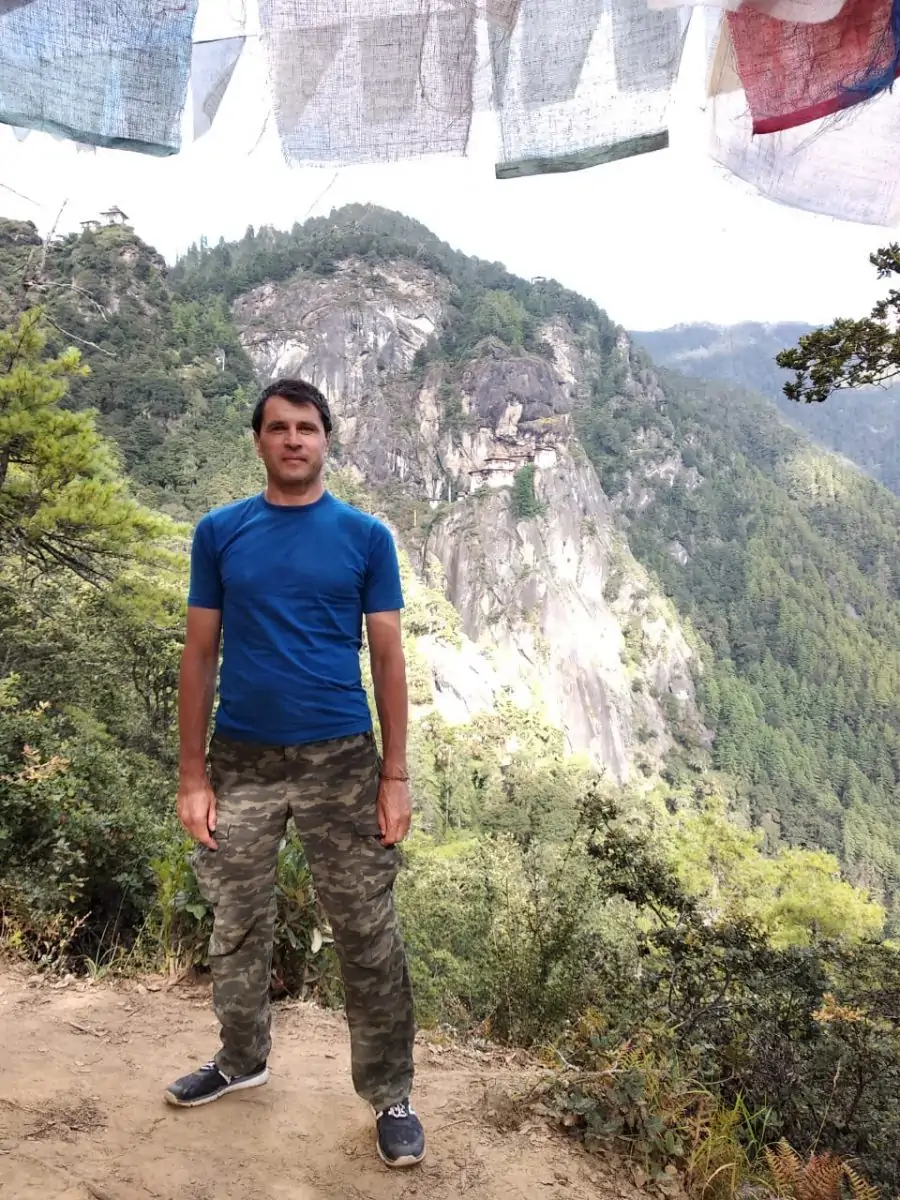
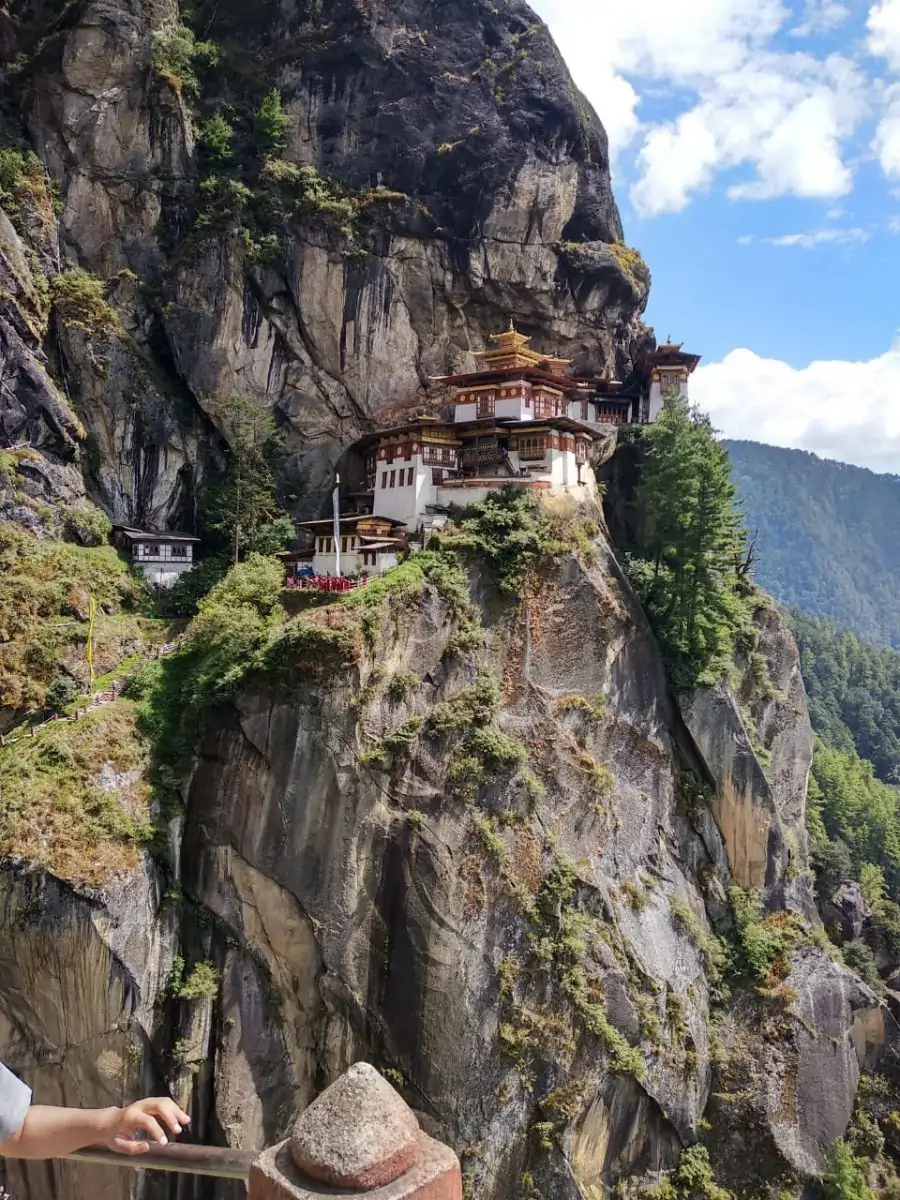
Paro Taktsang is located north of the city of Paro at a dizzying altitude of 3120 meters. To get to the monastery, we will do a 2-3 hour trekking through shady pine forests.
It seems incredible, but Taktsang Lhakang is located on sheer cliffs 900 meters above the Paro Valley. The name “taktsang” translates to “tigress’ nest” and there is an explanation for this. The monastery was built in 1692 in a cave where Guru Rinpoche meditated in the 7th century. According to legend, Guru Rinpoche came here riding a tigress and meditated for 3 years 3 months 3 days and 3 hours to defeat the demons living in the cave. Since then, the cave has been considered sacred, and many famous Buddhist practitioners have traveled quite a distance to be able to meditate in it.
Overnight at the hotel.

Day10. May 8, 2024, Wednesday. Flight Paro – Kathmandu (Nepal).
Transfer to the airport. Flight from Paro to Kathmandu. Hotel Accommodation.
Free time.
Transfer to the airport. Departure from Kathmandu.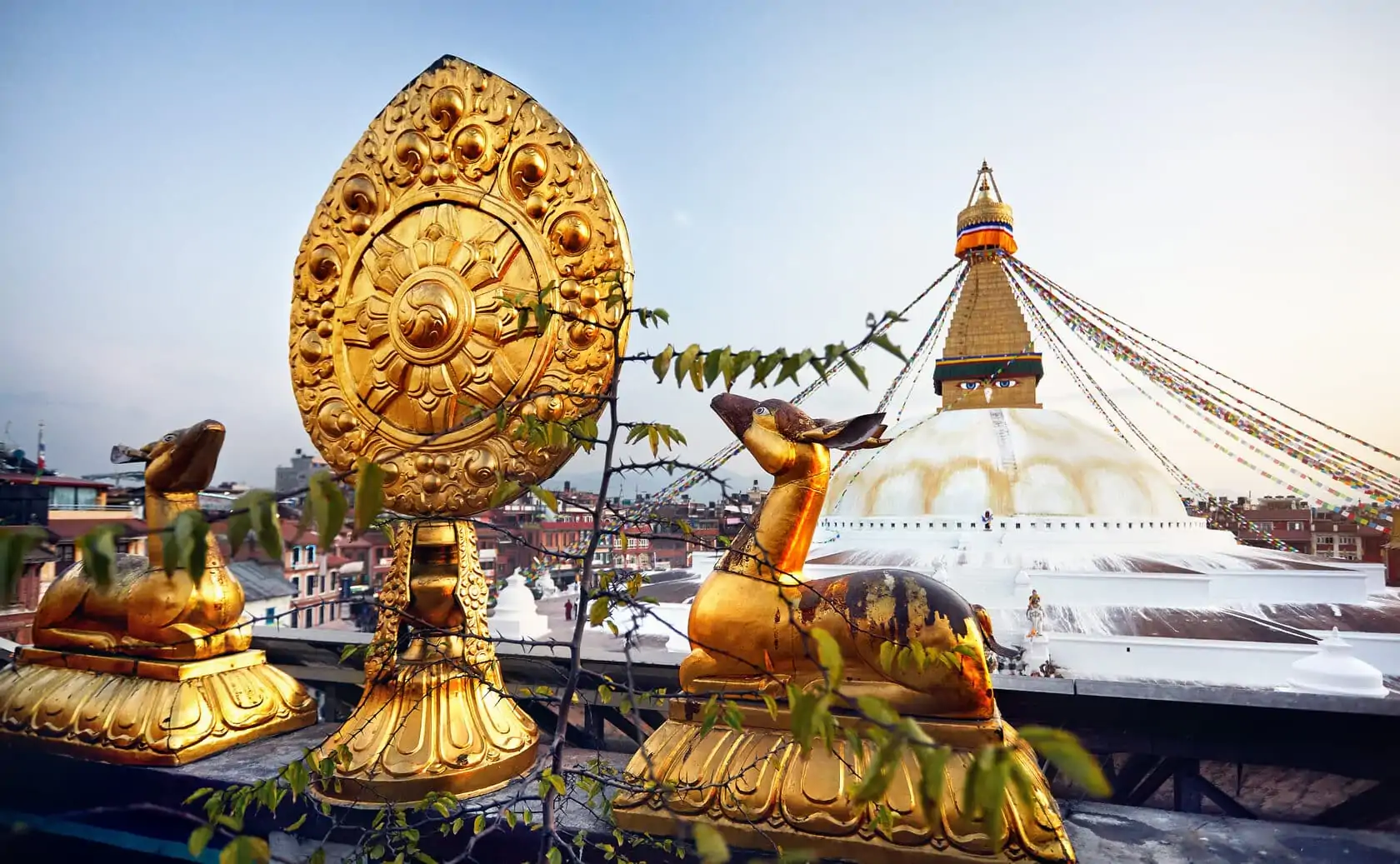
.